
Did you know that more than 40% of small businesses will face a legal issue this year, but fewer than half are fully equipped with the proper business legal protection to handle it? For any business owner, the risk of lawsuits, compliance pitfalls, and other legal matters can threaten everything you’ve built—unless you’re prepared. In this educational guide, discover the strategies and safeguards successful business owners use to protect your business year-round, so you can focus on growth, not legal worries.
Startling Facts About Business Legal Protection Every Business Owner Must Know
“Over 40% of small businesses will encounter a legal issue each year, yet less than half are fully prepared with proper business legal protection.” — Leading business law firm observation

Understanding the stakes for business legal protection is crucial for every small business owner. The reality is that legal issues can arise unexpectedly, from contract disputes and liability claims to employment law violations or intellectual property challenges. Without a plan—and experienced law firm support—small business owners are often exposed to unnecessary financial risk. These startling statistics make it clear why legal protection isn’t just for major corporations; it’s a best practice every business owner should adopt as standard procedure. Failing to address these gaps can mean costly settlements, loss of reputation, or even the closure of your business. That’s why this guide empowers you to understand the core legal issues facing small businesses and gives you actionable steps for year-round protection.
What You’ll Learn About Business Legal Protection
- Essential legal protection strategies for small business owners
- The role of liability insurance and how it safeguards your business
- Choosing the right business structure for legal protection
- Tactics to protect your business’s intellectual property
- How to prevent legal issues with effective compliance and best practices
Understanding Business Legal Protection: Core Principles for Every Business Owner
Defining Business Legal Protection and Why It Matters
Business legal protection refers to the combination of practical strategies, liability coverage, compliance measures, and professional support you put in place to safeguard your company from legal issues, liability claims, and regulatory risk. For a small business or any business owner, legal protection ensures your assets—including intellectual property, finances, and reputation—are shielded against threats from legal disputes or government investigations. Establishing a proactive relationship with a law firm or utilizing legal services equips your business to weather challenges and reduces disruptions to daily operations. Ultimately, this foundation frees you to run your business confidently, knowing you’ve taken the essential steps to limit your personal and financial exposure.
How Small Business Owners Can Protect Their Businesses Year-Round
Legal protection for your business is not a once-a-year task. Instead, it’s a continuous effort involving regular reviews, updating legal documents, and ongoing collaboration with an experienced business law firm. Steps every small business owner should prioritize include consistently maintaining business entity separations (such as an LLC or Corporation), carrying appropriate liability insurance, and keeping employment and contractor agreements up-to-date. Establishing reliable processes for compliance, document review, and intellectual property protection ensures that your business stays aligned with current laws. Leveraging advice from legal professionals and participating in legal plan reviews builds resilience, preparing your business to handle complex legal issues before they escalate.

For business owners seeking to strengthen their legal foundation, it’s also helpful to explore actionable steps for building a resilient company. You can find practical guidance on topics like business formation, contracts, and compliance in this comprehensive resource for building a strong small business, which complements the strategies discussed here.
Common Legal Issues Faced by Small Businesses
Every business owner, regardless of company size, faces a wide range of potential legal issues. Common problems include contract disputes, real estate lease disagreements, intellectual property infringement, employment claims, zoning or licensing issues, and regulatory fines. Many of these legal matters can evolve into costly lawsuits if overlooked or mismanaged. That’s why proactive legal services—like regular compliance checks or consulting a business lawyer—are crucial for keeping legal risks in check. Staying informed on business law and knowing when to consult legal counsel helps minimize the fallout when unexpected legal problems arise, reducing both financial and reputational damage to your business.
Choosing the Right Business Structure for Legal Protection
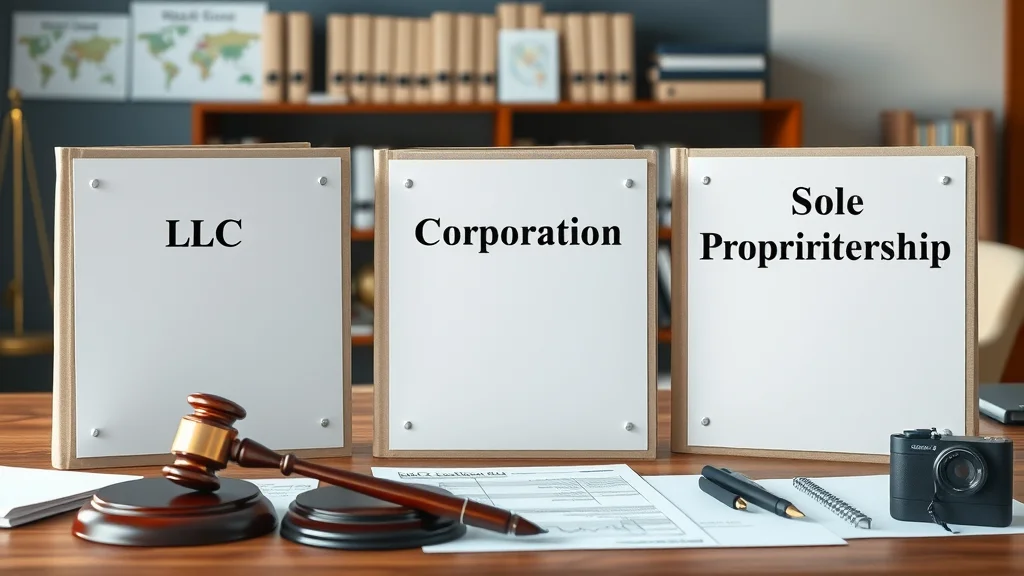
Comparing LLC, Corporation, and Sole Proprietorship Structures
Choosing the right business structure lays the foundation for legal protection. The most common structures are the sole proprietorship, limited liability company (LLC), and corporation—each offering unique advantages and trade-offs. A sole proprietorship is easiest to set up but offers the least legal protection, as personal and business assets are not separated. In contrast, an LLC combines simplicity with robust liability protection by creating a legal distinction between owner and business. Corporations go even further, offering stronger legal barriers but are more complex to maintain and subject to stricter regulations. Consulting a law firm to evaluate your risk, industry, and growth plans is key to selecting the structure that will best protect your business against liability, lawsuits, and legal issues.
How Your Business Structure Impacts Business Legal Protection
The structure you choose dramatically influences your business legal protection. For example, with an LLC or corporation, your personal assets (such as your home or personal savings) are typically shielded if your business faces a lawsuit or debt. These structures provide a legal “veil”—but only if you observe good recordkeeping, avoid commingling funds, and meet all state filing requirements. Sole proprietorships lack these protections, placing your personal wealth at risk in the event of legal issues. An experienced lawyer or legal adviser can review your current structure and identify hidden gaps in coverage, helping you adjust as your company grows or as new challenges arise. Periodic reviews with legal services support lasting, effective protection for your business.
Liability Insurance: Why Every Small Business Needs It
Understanding Liability Insurance and Its Role in Business Legal Protection
Liability insurance is one of the most crucial financial protection measures for any small business. It acts as a safety net, shielding your company from devastating legal claims or lawsuits resulting from property damage, bodily injury, or professional mistakes. The right liability insurance policy covers legal expenses, settlements, and sometimes even lost revenue—giving you peace of mind and letting you focus on running your business. A trusted law firm or insurance agent can explain policy details, help you navigate the options, and ensure your coverage matches the specific risks of your business and industry. Without proper liability insurance, a single legal issue could jeopardize your company's survival or result in personal financial losses, especially if you operate without the benefit of a limited liability company or corporate structure.
Types of Liability Insurance Every Small Business Owner Should Consider
No two businesses are exactly alike, and your legal protection should reflect that. The core policies every business owner should review include general liability insurance, professional liability (also known as errors and omissions), product liability, and commercial property insurance. General liability addresses claims for bodily injury and property damage, while professional liability covers financial losses due to errors or negligence in your services. If your business manufactures, sells, or distributes products, product liability insurance is essential. For those leasing or owning commercial spaces, property insurance secures your assets against physical damage or theft. Some businesses may also require specialized coverage for cyber threats or commercial vehicles. Regularly evaluating your liability insurance portfolio, preferably with a business lawyer or dedicated law firm, ensures your business stays well-protected as laws, regulations, and risks evolve.
Working With a Law Firm to Select Adequate Liability Insurance
Partnering with a law firm knowledgeable in business law is invaluable when selecting liability insurance. An experienced business lawyer can conduct a risk assessment, identify potential exposures, and recommend the right coverage levels for your industry and operations. They’ll review policy exclusions and ensure you have comprehensive protection—not just the minimum required by law. More importantly, when a legal issue does arise, having a legal team familiar with your business can streamline the claims process, assist with document review, and provide immediate legal advice. This partnership helps prevent gaps in coverage and keeps your company’s legal protection proactive rather than reactive. A reputable law firm can also help negotiate terms with insurance providers, provide guidance on compliance, and monitor any changes in business law that may impact your liability needs.
| Insurance Type | What It Covers | Best For |
|---|---|---|
| General Liability | Bodily injury, property damage, and related legal costs | All businesses needing foundational coverage |
| Professional Liability (Errors & Omissions) | Negligence claims, service errors, breach of contract | Consultants, freelancers, service providers |
| Product Liability | Injury/damage from your products | Manufacturers, retailers, distributors |
| Commercial Property Insurance | Physical assets (office, inventory, equipment) | Businesses with physical locations or assets |
Protecting Your Business’s Intellectual Property With Legal Protection
Trademark, Copyright, and Patent Protections
Securing your intellectual property (IP) is vital to protect your business from infringement, loss of competitive advantage, or reputation damage. Intellectual property protections include trademarks (which guard your business name, logo, and brand identity), copyrights (which cover creative works like content, design, or software), and patents (which secure unique inventions). Registering these rights provides legal backing if someone attempts to steal, copy, or misuse your IP. Legal action can be complex, so working with law firms experienced in intellectual property is highly recommended. They help file applications, conduct proper searches, and enforce your rights if violations occur. Staying proactive ensures your business assets remain exclusive—and profitable.

How to Safeguard Intellectual Property Against Legal Issues
Safeguarding your intellectual property means more than registration. It requires ongoing vigilance, consistently monitoring for unauthorized use and responding with legal action when needed. Small business owners should keep all correspondence and legal documents showing original authorship or creation. Consider using nondisclosure agreements with employees and partners to limit the risk of unintentional leaks. Establish clear company policies on IP ownership for anything developed by your staff or affiliates. When in doubt, seek legal advice from a business lawyer or law firm with a wide range of expertise in intellectual property protection. These steps not only boost your legal position if challenged but also demonstrate a culture of respect for creative and proprietary work in your organization.
Employment Law and Your Small Business: Avoiding Legal Issues
Employment Law Essentials for Business Legal Protection
Employment law covers everything from hiring and workplace safety to wage disputes and anti-discrimination practices. For a small business owner, staying compliant with federal and state labor regulations is essential to avoid lawsuits, fines, and reputational harm. Every employment relationship should start with clear, legally reviewed contracts and employee handbooks outlining expectations, benefits, and grievance procedures. Whether you have one employee or dozens, investing time in understanding employment law and consulting experienced law firms or legal services can prevent costly legal issues before they arise.
Best Practices to Minimize Employment-Related Legal Risks
To protect your business from costly employment law disputes, implement rigorous hiring practices, conduct regular staff training on compliance issues, and maintain up-to-date documentation for every employee. Establish formal complaint and resolution processes so that grievances can be addressed internally and promptly. Use only legally compliant job descriptions and avoid discriminatory language in all communications. Periodically review your employment practices with qualified attorneys or law firm experts to ensure they align with current legislation and business law best practices. By committing to ongoing review and improvement in your HR policies, you minimize the risk of employment-related legal issues and foster a safer, more respectful workplace environment for all.
Compliance, Documentation, and Recordkeeping: The Foundation of Legal Protection
Maintaining Compliance With Business Law and Regulations
Ongoing compliance is non-negotiable if you aim to protect your business. Federal, state, and local laws govern everything from tax filings to safety codes, and violations can carry steep penalties or business closure. Developing a legal plan for monitoring regulatory changes, tracking filing deadlines, and responding to audits ensures your business avoids costly surprises. Many companies partner with law firms or employ compliance officers to implement best practices, provide regular training, and conduct document reviews. Staying compliant not only reduces legal risk but can also enhance your reputation, making your business a trusted partner in your community or industry.
The Importance of Reliable Documentation and Contracts For Small Business Legal Protection
Reliable documentation is the linchpin of any effective legal protection strategy. Every agreement—with customers, vendors, partners, or employees—requires properly executed contracts that spell out each party’s rights and obligations. Accurate records, including meeting notes, email correspondence, and transaction receipts, can make all the difference in resolving disputes before they escalate into legal issues. Regularly reviewing and updating your documentation in collaboration with legal services or a law firm is the best way to keep your business protected as situations change. Robust recordkeeping also supports faster and more effective legal responses should you face a lawsuit, regulatory inquiry, or tax audit.

- Business formation documents (articles of incorporation, operating agreements)
- Contracts with customers, vendors, and partners
- Employment agreements and HR policies
- Intellectual property registrations and licenses
- Insurance policies and compliance certificates
Working With Law Firms and Legal Services to Protect Your Business
When to Consult a Law Firm for Business Legal Protection
There are moments when the experience and guidance of a law firm or legal services provider are indispensable. Major business changes—such as expansion, a new partnership, entering a regulated industry, or responding to a complex legal issue—require professional legal advice. Proactive business owners schedule annual or semi-annual legal consultations to review policies, address potential risks, and stay ahead of evolving rules. Even for everyday matters, quick access to a law firm ensures your legal protection stays up-to-date and minimizes costly reactions to emerging threats. Investing in a trusted legal partner is a cornerstone of business longevity and resilience.
Selecting the Right Legal Services for Continued Protection
With countless law firms and legal services available, finding the right fit can be overwhelming. Look for providers with a proven track record helping small businesses in your industry, and consider those that offer flat-fee legal plans, on-demand document review, and ongoing compliance support. The best business lawyers will guide you through not just emergencies, but routine legal matters like contract negotiation, employment law updates, and intellectual property filings. Check for transparent communication, prompt responses, and a collaborative culture—these are the hallmarks of a law firm that will partner with you to protect your business over the long term.

People Also Ask: Critical Questions About Business Legal Protection
What is legal protection in business?
Answer: Business legal protection involves strategies and safeguards that protect your business from liability, legal issues, and financial loss. It includes a robust legal structure, appropriate liability insurance, compliance with laws, proactive documentation, and retaining legal services for risk management.
How much is $1,000,000 liability insurance a month?
Answer: The monthly cost of $1,000,000 liability insurance for a small business varies depending on industry, risk factors, and other considerations. It is best to consult a law firm or insurance provider to assess your business’s specific needs and receive a tailored quote.
What legal protection does an LLC provide?
Answer: An LLC, or limited liability company, provides business legal protection by separating the business owner’s personal assets from business liabilities. This structure helps shield owners from personal responsibility for most debts or lawsuits incurred by the business.
What happens if someone sues your LLC and you have no money?
Answer: If your LLC is sued and lacks sufficient funds, claimants may only pursue the business’s assets, not your personal property, provided your LLC maintains proper legal separation. However, inadequate legal protection or improper management could risk personal exposure.
Year-Round Checklist for Business Legal Protection in Small Business
- Conduct an annual review of liability insurance policies
- Update legal documents, contracts, and compliance records
- Evaluate intellectual property protections
- Review HR and employment law practices with your law firm
- Stay advised on new and evolving business law issues
Video Description: Short expert-led animation or interview explaining the top 5 tips for business legal protection. Features animated icons of legal documents, shields, and contracts. Style: Clean, professional, modern transitions, corporate-friendly palette, and clear visual illustrations of legal protection strategies for small businesses.
Expert Quotes: Why Legal Protection Is Crucial for Business Owners
“Ignoring business legal protection measures is not an option — proactive legal safeguards are fundamental for any successful enterprise.” — Noted small business attorney
Frequently Asked Questions About Business Legal Protection
How can a small business address legal protection gaps identified during a review?
If gaps are discovered during a legal protection review, a small business should promptly consult with a business lawyer or legal services provider. They can update business documents, revise contracts, adjust insurance policies, and implement any necessary compliance changes to minimize risk and ensure ongoing business protection.
What are the risks of operating without adequate liability insurance?
Without sufficient liability insurance, a business owner exposes both company and personal assets to lawsuits, claims, and settlements. Even one uninsured legal issue could threaten the survival of your business and erase years of hard work. Proper coverage is an essential component of business legal protection and long-term viability.
Key Takeaways for Business Owners: Legal Protection Essentials
- Proper business structure and liability insurance are vital for legal protection
- Working with a reputable law firm or legal services provider can help protect your business from legal issues
- Ongoing compliance and proactive documentation are key to maintaining business legal protection
Wrap-Up: Keep Your Business Legally Protected Year-Round
Ready to protect your business? Call Us 214-854-9931 for your free consultation and ask about your no cost merchant processing terminal.
Legal protection is just one pillar of a thriving business. If you’re interested in taking your company to the next level, consider exploring broader strategies for sustainable growth, leadership, and operational excellence. Our guide to building a strong small business offers valuable insights that go beyond legal safeguards, helping you create a resilient foundation for long-term success. Dive deeper to discover how a holistic approach can empower your business to adapt, compete, and flourish in any environment.





Write A Comment