Renwick Evans and Associates
  • Blog Home
  • Categories
    • Startup Launch Guidance
    • Cash Flow, Funding & Capital Strategies
    • Business Operations, challenges & Solutions
    • Merchant Processing & Payments
    • Business Marketing That Works
    • Business Growth & Scaling
    • Business Consulting Insights
    • Compliance & Risk Management
  • Home
November 04.2026
1 Minute Read

Annual Legal Checklist for Small Businesses

Did you know nearly half of small businesses face costly legal hurdles each year due to overlooked compliance? Neglecting a single annual review could quietly put your business at risk—sometimes with consequences that aren’t discovered until it’s too late. This comprehensive guide will equip you with a practical small business legal checklist to help you stay compliant, organized, and confidently focused on growth. Don’t let preventable legal mishaps sidetrack your hard work—follow these steps to secure your business foundation for the year ahead.

Why Every Small Business Needs a Legal Checklist

Every year, thousands of small business owners in the United States encounter compliance issues that could have been avoided with a simple annual review. An annual small business legal checklist isn’t just a formality—it's a key legal safeguard that minimizes risk, increases resilience, and preserves your hard-earned reputation. Whether you’re running a limited liability company, sole proprietorship, or considering a new business structure, routine legal checkups are essential to ensuring continued compliance with federal, state, and local requirements. Overlooking these critical details can result in missed deadlines, unfiled documents, or out-of-date agreements—all of which threaten business continuity and could lead to costly penalties.

“Regular legal reviews are essential for compliance and the health of your small business.” – Leading Business Attorney

Professional small business owner reviewing documents for annual legal checklist in a bright office with legal books and organized folders

The Hidden Risks for Small Business Owners If You Skip a Year

Skipping your annual legal review leaves your business exposed to a host of risks—from expired licenses and missed tax filings to invalid contracts and intellectual property vulnerabilities. Federal and state regulators expect businesses to keep their registrations, compliance filings, and employment documents up to date. Even inadvertent lapses—like forgetting to renew a certificate or update an employment policy—can spiral into legal disputes, tax penalties, or even suspension of your business entity. For small businesses, which may lack a full-time compliance officer, a missed review can mean the difference between smooth operation and disruptive, expensive legal problems. By sticking to a structured small business legal checklist, small business owners can proactively spot and fix compliance gaps before they escalate.

As you work through your annual legal checklist, it’s also wise to consider how your business structure and foundational documents support your long-term goals. For a deeper dive into building a resilient company from the ground up, explore these guidelines for establishing a strong small business—they offer practical steps that complement your compliance efforts.

What You’ll Learn in This Small Business Legal Checklist

  • Key steps for legal compliance as a small business owner
  • How to review core legal requirements annually
  • Tools and tips for organizing your legal documents
  • Insights into maintaining business structures and intellectual property
  • How to handle employment law and tax obligations

Start With the Basics: Reviewing Your Business Structure

Before diving into specific legal documents or compliance obligations, the first task on any small business legal checklist should be a thorough review of your business structure. Whether you operate as a sole proprietorship, partnership, limited liability company, or corporation, your legal entity status determines everything from your tax obligations to your liability risks. Many business owners set their structure when they first start a business but rarely reconsider it as their activities and goals evolve. An annual review ensures your chosen structure still matches your business's needs, addresses changing regulatory requirements, and provides optimum tax advantages. For example, transitioning from a sole proprietorship to a limited liability company can offer better protection for personal assets and new opportunities for growth.
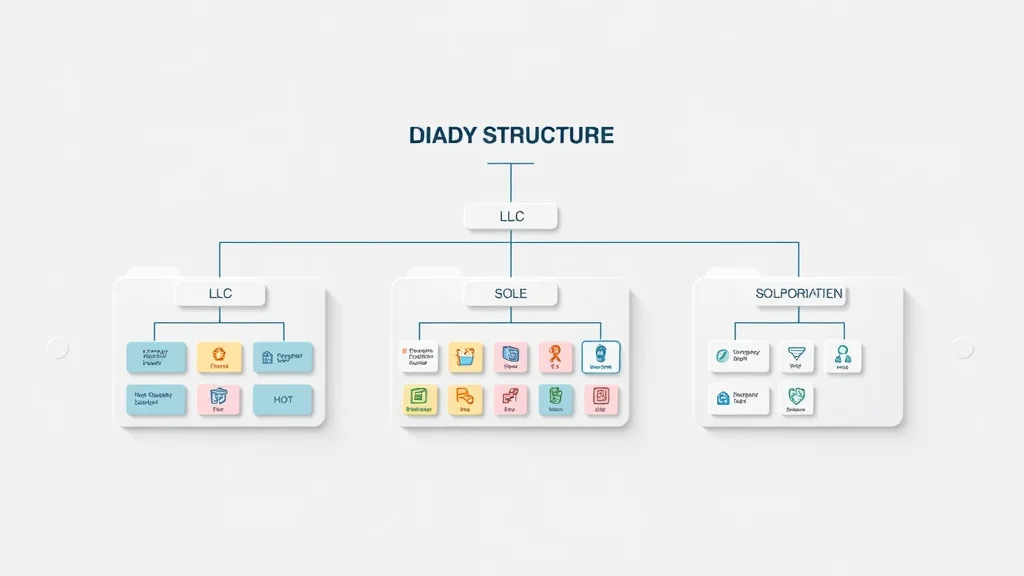
Infographic of different business structures like LLC, Corporation, and Sole Proprietor for small business legal checklist

Choosing the Right Business Structure for Small Businesses

Each business structure—be it an LLC, corporation, or sole proprietorship—comes with its unique set of legal and tax considerations. For instance, LLCs (Limited Liability Companies) provide personal liability protection and flexible tax filing options, while corporations may offer advantages around fundraising and continuity. Since requirements vary by state and business type, reviewing your structure annually as part of your small business legal checklist ensures you continually benefit from the best fit for your needs. This includes verifying if your current structure still aligns with your evolving business activities or if you need to consider converting to another type for tax purposes, liability protection, or regulatory ease. Checking your structure helps preempt surprises during audits or growth-driven changes in ownership.

Updating Business Registration and Licenses

An essential step for maintaining compliance is ensuring all business registrations and licenses are current at both the state and local level. Each year, check your status with the relevant secretary of state and local agencies to confirm your business is in good standing. Renew or update licenses that have expired or changed due to expanding business activities. Missing an update here could lead to hefty fines or—or worse—the suspension or dissolution of your entity. Small business owners must also keep a record of renewal notices, filing confirmations, and proof of payment for all registrations. Digital copies in a secure folder will ensure your legal documents are always ready for official website or government requests and simple audits.

How Your Business Structure Impacts Legal Requirements

The business structure you choose not only influences tax purposes and liability protection but also dictates which legal requirements apply to your company. Corporations generally have stricter ongoing compliance duties such as holding annual meetings and filing detailed annual reports, while LLCs and sole proprietors face different federal and state filings. To stay compliant, compare your organization’s current structure against the latest regulatory updates from official websites like the IRS or your state’s business office. Update your small business legal checklist accordingly, so no requirement is missed. Regular review ensures your legal entity can take advantage of available benefits, avoid unnecessary risks, and seamlessly transition to new structures if needed.

Federal and State Legal Requirements for Small Businesses

Meeting federal tax and state-specific legal requirements is at the heart of staying in business. Annual filings, compliance reports, and worker classifications must be systematically reviewed and updated to keep your company safe from penalties. The IRS and state business agencies regularly update their requirements, which means annual diligence is key to ensuring ongoing compliance and eligibility for vital business benefits. Your small business legal checklist should spell out the documents, websites, and deadlines for federal and state filings, ensuring no detail slips through the cracks.

Annual Reports and State Filings

Most states require businesses—especially LLCs and corporations—to submit annual or biennial reports as part of their continued good standing. These filings confirm your business’s essential information and pay necessary fees. Missing an annual report deadline can lead to late fees, suspension, or even involuntary dissolution of your legal entity. Check with your state’s official website or secretary of state portal to verify deadlines and requirements for your business type. Update your records accordingly to prove compliance, and keep digital copies of your submissions with your core documents in case of future audits or regulatory reviews.

Federal Tax Filings and Compliance Checklist

Your federal tax duties do not stop at annual income tax returns. Depending on your business structure and activities, you may need to file quarterly estimated taxes, employment taxes, information returns, or specialized tax forms for certain industries. Stay connected to gov websites like IRS. gov and track filing windows on your checklist. Utilize reliable tax software or consult with a qualified accountant to ensure you meet all federal tax requirements each year and retain proof of submission for your compliance records. Regular federal tax reviews also ensure you benefit from any deductions, credits, or programs relevant to small business owners in the United States.

Employment Law and Worker Classification

Properly classifying your workers as employees or independent contractors is a mandatory part of your small business legal checklist. Misclassification can lead to substantial federal tax penalties, back wages, and lawsuits. Annual reviews of job descriptions, employment contracts, and payroll practices help you stay compliant with both federal and state labor laws. Make sure that employment agreements, employee handbooks, and required workplace postings are up to date and reflect the latest legal changes. Keeping these documents in place and regularly updated can shield your business from unexpected audits, disputes, and regulatory fines.

Intellectual Property: Protecting Your Small Business Ideas

Your brand, products, and creative assets are invaluable to your company’s future. Regularly checking your intellectual property status is an indispensable component of a robust small business legal checklist. From refreshing trademark registrations to monitoring new product developments, annual intellectual property reviews protect your competitive edge and help you avoid costly legal battles.

Trademark, Copyright, and Patent Checks

Every year, review your active trademarks, copyrights, and patents to ensure they remain valid and fully protect your business assets. If you’ve developed new content, products, or services, update your registrations with the relevant gov website or agencies. Intellectual property protection is not a one-time task—competition, new employees, and expanded product lines can all introduce risk. As your business evolves, update your small business legal checklist to include registration renewals, documentation of original works, and monitoring for potential infringements on official websites and common online platforms. Keeping this checklist updated ensures your rights stay secure even as the marketplace shifts.

Creative entrepreneur reviewing trademark and copyright essentials for small business legal checklist in modern workspace

Protecting Your Business Name and Brand

Your business name, logo, and creative assets define your presence in the market. Annually verify that your brand elements are uniquely registered and defended against unauthorized use. Regular searches of government and secure websites help catch potential infringements early, and prompt legal action protects your reputation and assets. Update your written agreement with partners and contractors to include strong intellectual property clauses, ensuring that your brand remains under your control. Prior confirmation of domain ownership and ongoing monitoring for lookalike brands can further strengthen your position.

Annual Review of Essential Contracts and Agreements

Contracts form the legal foundation of every small business. Each year, you must review, renew, or update written agreements with vendors, customers, employees, and contractors. Outdated contracts may omit key legal protections or include obsolete terms that no longer reflect your business operations. Using a structured approach to your small business legal checklist ensures every critical relationship is backed by enforceable, up-to-date documents, reducing the risk of misunderstandings or disputes down the road.

Renewing and Updating Vendor and Customer Contracts

Vendor and customer relationships are dynamic, and your contracts should keep pace accordingly. You want your terms to account for changing business circumstances, supply chain shifts, or customer expectations. Review every agreement annually, checking for expired obligations, outdated contact information, or clauses that expose you to unnecessary risk. A contract management system or simple digital file can help you track renewal dates and amendments, ensuring your small business stays protected by up-to-date, enforceable agreements year after year.

Business professionals finalizing contracts as part of small business legal checklist

Non-Disclosure, Non-Compete, and Employment Agreements

Alongside your core contracts, reviewing employment-specific documents such as non-disclosure agreements (NDAs), non-compete clauses, and offer letters should be a fixture on your small business legal checklist. As employment law in the United States and state regulations change, updating these contracts protects your confidential business information and prevents issues with hiring or departures. Confirm all employees have signed relevant agreements and that the terms remain compliant with current regulations. Maintaining these documents shows regulatory agencies—if ever audited—that your business is proactive and accountable.

Privacy Policy Updates and Data Protection Compliance

Increasingly, privacy policy compliance is both a legal requirement and a competitive necessity. Every small business that collects, stores, or processes customer or employee data must keep pace with evolving privacy laws. Even if your operations are small or local, customers and regulators alike expect a transparent, current privacy policy—and robust data protection practices.

Understanding Privacy Law Changes for Small Businesses

Privacy laws, such as those regulating consumer data, have changed dramatically in recent years. It’s essential to stay informed about new requirements at the federal, state, and even local level. This means checking for updates from government agencies and ensuring your business’s privacy policy makes clear how personal data is collected, used, stored, and shared. By reviewing your privacy policy at least annually, you’ll keep your business in good standing and build customer trust—particularly if you’re handling sensitive information through websites or online transactions.

Implementing Secure Data Storage and Handling Procedures

Legal compliance doesn’t stop at a written privacy policy. Every business should take concrete steps to protect the information it handles. Annually reviewing your data storage and security systems ensures you use secure websites, encrypted databases, and restricted access policies. Confirm your sites use HTTPS and keep software up to date. Training staff to follow safe handling procedures reduces risks of data breaches or loss. These actions demonstrate your commitment to compliance and customer safety, completing this core element of your small business legal checklist.

Reviewing Bank Accounts and Financial Records

Accurate, up-to-date financial records are a hallmark of any well-run business. Regularly reconciling your bank account activity and ensuring a clear separation between business and personal finances protects your legal entity status and helps in the event of an audit. The annual review process is the right time to track down old errors or find opportunities to streamline your financial systems for better security and efficiency.

Reconciling Business Bank Account and Transaction Records

Each year, all small business owners should compare their internal records to monthly bank statements, catching discrepancies early and keeping federal tax filings in order. Digital accounting tools or spreadsheets make it easier to spot issues and generate year-end summaries for reporting. Timely reconciliation also highlights unauthorized transactions and helps keep your business books audit-ready. Accurate records remain essential for maintaining good standing as a legal entity and for efficient tax reporting every April.

Reconciling business bank accounts and financial records for annual small business legal checklist

Segregating Business and Personal Finances

A common pitfall for small businesses is mixing company and personal transactions. This muddles accounting and threatens your limited liability protections. Best practice is to use a dedicated business bank account, pay yourself through correct channels, and keep receipts for all business purchases. This habit not only maintains a legal distinction—and thus your liability shield—but also makes it easier to handle audits, apply for loans, or demonstrate trustworthiness to partners and vendors. Make this financial hygiene a prominent task on your small business legal checklist every year.

Annual Legal Checklist for Small Business Owners

Checklist Item Why It’s Important Frequency
Review business structure & legal entity Ensures protection, tax efficiency, and ongoing eligibility Annually
Update business registration/licenses Prevents fines and maintains legal operation at state/local level Annually
File annual reports/state filings Keeps your business in good standing Annually
Complete federal tax filings Meets government requirements and avoids penalties Annually
Audit contracts and agreements Keeps terms current and relationships protected Annually
Update privacy policy and data safeguards Ensures compliance and builds customer trust Annually
Review intellectual property registrations Protects your brand and creative assets Annually
Reconcile bank accounts and financial records Prepares for audits and accurate tax filings Monthly/Annually

People Also Ask: Essential Small Business Legal Checklist Questions

[[paa-question-1]]

Having an annual small business legal checklist helps avoid missed deadlines, forgotten renewals, and overlooked legal changes. By following this guide, business owners maintain compliance and avoid hefty penalties. Each checklist item, from business structure review to privacy policy updates, keeps your company protected and prepared for growth.

[[paa-question-2]]

Contracts and agreements should be reviewed and updated at least once a year—or immediately if there are major changes in your business operations, relationships, or relevant laws. Regular updates reduce the risk of disputes, protect your business interests, and ensure all parties are working under the latest terms.

[[paa-question-3]]

Yes, small business owners should review privacy policies annually to keep up with changing regulations and best practices. This annual review ensures your business remains compliant, informs customers how their data is used, and helps avoid regulatory penalties for outdated policy disclosures.

[[paa-question-4]]

Missing legal deadlines—such as filing annual reports or updating business licenses—can result in late fees, government penalties, loss of good standing, or even forced closure of your business. These consequences make it crucial for small businesses to maintain and follow a thorough legal checklist every year.

[[paa-question-5]]

While small business owners can complete many elements of a legal checklist themselves using official government and secure websites, consulting with a qualified business attorney provides expert legal guidance, ensures nothing is missed, and offers additional peace of mind—especially for complex issues.

Watch: Animated explainer covering small business legal checklist essentials, highlighting steps like compliance, contracts, privacy, and banking—ideal for visual learners who want a quick yet thorough overview of annual requirements.

Expert Quotes on Maintaining a Small Business Legal Checklist

“An annual legal review can save business owners from costly mistakes.” – Business Law Expert

Key Takeaways for Small Business Owners

  • Annual checklists prevent legal oversights
  • Business structure reviews are critical to compliance
  • Contract and policy renewals safeguard your interests
  • Tax and employment laws must be reviewed each year
  • Proactive legal upkeep protects small businesses from risk

Frequently Asked Questions About Small Business Legal Checklists

What are the most important annual legal tasks for small businesses?

The most important annual legal tasks include reviewing your business structure, renewing licenses and registrations, filing annual reports, updating key contracts, reconciling financial records, and refreshing privacy and data policies. Completing these steps ensures continued compliance and shields your company from surprise penalties.

How often should a small business update contracts and agreements?

Contracts and agreements should be reviewed annually, or more frequently if there are major changes in business operations, applicable regulations, or relationships with vendors and customers. Regular updates keep all agreements current and enforceable.

Do I need to review my privacy policy every year?

Yes, annual privacy policy reviews are essential for small businesses to maintain compliance with changing laws and to ensure you continue to handle customer data responsibly and transparently.

What are the consequences of missing legal deadlines for small business owners?

Missing legal deadlines can lead to government penalties, loss of good standing, revoked licenses, and even business dissolution. This makes annual legal checklists critical for protecting your business’s longevity and reputation.

Can I complete a small business legal checklist myself or do I need an attorney?

Many tasks can be completed by small business owners using official government and secure websites. However, a business attorney can provide valuable legal guidance and help identify potential risks or overlooked requirements.

Final Steps: How to Implement Your Small Business Legal Checklist

  • Schedule annual legal reviews
  • Retain copies of updated documents
  • Consult with a qualified business attorney

Get Professional Help With Your Small Business Legal Checklist

“Calling a business attorney can give you peace of mind and free you to focus on growing your business.”

Call Us 214-854-9931 for your free consultation and ask about your no cost merchant processing terminal

In conclusion: Following a detailed small business legal checklist each year is your best defense against legal surprises and a pathway toward a stronger, safer business. Start today and enjoy the confidence that comes with proactive legal upkeep.

If you’re ready to take your business’s legal health to the next level, consider broadening your perspective beyond annual compliance. Discover additional strategies for building a robust foundation and fostering long-term growth by reviewing this comprehensive guide to strengthening your small business. By integrating these advanced insights with your annual checklist, you’ll be better equipped to navigate challenges, seize new opportunities, and ensure your company thrives for years to come.


Compliance & Risk Management

Write A Comment

*
*
Please complete the captcha to submit your comment.
Related Posts All Posts
10.28.2026

What Non-Compliance Can Cost Your Business

Did you know companies worldwide pay billions in fines each year for ignoring compliance rules? From massive data breaches to legal turmoil, the cost of business compliance risks isn’t just financial—it’s your company’s future on the line. Let’s break down exactly what non-compliance could cost your business and how to stay protected. Business Compliance Risks: The High Stakes of Risk Management Opening Hook: The True Scale of Business Compliance Risks Many businesses overlook compliance issues—until massive fines, legal action, or reputational damage make headlines. Ignoring business compliance risks can cost companies more than just money; it can jeopardize your entire operation. In today's highly regulated environment, risk management is not a luxury—it's a necessity. Business owners who underestimate the potential risk of a compliance issue may face not only regulatory enforcement but irreparable harm to their brand. A single compliance risk, such as a data breach, can trigger swift consumer backlash, lengthy investigations, and harsh financial penalties. Understanding the most common compliance risks and having a robust compliance program are crucial for effective risk management. Risk exposure isn't limited to large corporations—small businesses are equally at risk, especially as industry standards and regulatory requirements continue to evolve. This makes proactive risk assessment, regular employee training, and a commitment to compliance efforts indispensable pillars of sustainable business operations. Simply put, you can't afford to ignore compliance if your aim is long-term success and reputation. What You'll Learn About Business Compliance Risks How to identify common compliance risks threatening your business Risk assessment techniques in risk management Examples of costly compliance issues Best practices to protect your business Defining Business Compliance Risks in Modern Corporations What Are Business Compliance Risks? Business compliance risks refer to the threats and vulnerabilities that arise when organizations fail to meet regulatory requirements or adhere to internal policies designed to govern ethical, legal, and operational standards. These risks go beyond a simple checklist; they encompass every action—or inaction—that could put a business at odds with laws, industry standards, or ethical expectations. Compliance issues might involve failing to protect sensitive data (leading to data breaches), ignoring workplace safety, or misreporting financials, and they can significantly increase risk exposure for any company, regardless of size. It's important for any business owner to recognize that non-compliance is not limited to high-profile scandals. Everyday lapses, such as skipping employee safety training or missing regulatory updates, can cause substantial problems. A robust compliance program serves as a dynamic safeguard, integrating regular risk assessments and employee training to identify and mitigate compliance risks. Ultimately, compliance must be a company-wide commitment, weaving together people, processes, and technology to build a culture of accountability and risk management. “Compliance is not a checkbox exercise—it’s the foundation of responsible and resilient business operations.” How Compliance Risk Affects Risk Management Strategies The Role of Risk Assessment in Mitigating Compliance Risks Risk assessment is the backbone of any effective approach to managing business compliance risks. By systematically analyzing operations, processes, and systems, organizations can uncover and prioritize potential compliance issues before they escalate. The process enables businesses to address vulnerabilities that might lead to regulatory breaches, financial penalties, or reputational damage. Integrating risk assessment into your overall risk management strategy ensures that compliance risks are treated with the urgency and attention they deserve. Effective risk management doesn’t just identify compliance risk; it proactively addresses them with clear policies, targeted employee training, and robust monitoring tools. When risk assessments are performed regularly, they help businesses adapt to evolving industry standards and regulatory landscapes. This ongoing vigilance is essential, as every new regulation or update brings its own set of risks and obligations. By positioning compliance at the core of your risk management framework, your business is better equipped to mitigate risk, reduce risk exposure, and avoid the cascading consequences of compliance failure. For small business owners looking to strengthen their compliance posture, understanding the foundational steps to build a resilient operation is key. You can explore practical guidance and actionable strategies in this comprehensive guide to building a strong small business, which covers essential legal and operational considerations. Exploring Common Compliance Risks in Business Data protection and privacy violations Employment law breaches Environmental compliance issues Financial reporting failures Industry-specific regulatory lapses Among the most common compliance risks facing organizations today are violations related to data privacy (like data breaches and mishandling sensitive data), labor law non-compliance, environmental infractions, and inaccurate financial disclosures. Each of these represents a distinct compliance issue that can severely disrupt your business, accrue steep financial penalties, and damage relationships with stakeholders. Staying vigilant when it comes to monitoring compliance standards is a crucial risk management priority for every business owner. Data breaches are an increasingly prominent threat, as hackers target sensitive customer information, raising the stakes for data protection. Employment law and environmental standards are also dynamic, with frequent regulatory updates that can catch businesses off-guard if they're not properly tracked. The good news is that most compliance risks are manageable with effective compliance risk assessment and by developing a comprehensive compliance program that includes routine audits, transparent culture, and ongoing compliance efforts. Compliance Standard Examples: Avoiding Costly Compliance Issues Compliance Standard Typical Risk Potential Cost GDPR Data breach Reputational harm, fines OSHA Workplace safety Legal action, shutdowns Sarbanes-Oxley Financial misreporting Fines, criminal charges This table highlights how failing to meet regulatory compliance, such as GDPR for data protection, OSHA for workplace safety, and Sarbanes-Oxley for financial integrity, exposes businesses to a range of negative outcomes. These include not only direct financial penalties but also reputational and operational setbacks that can take years—and significant funds—to recover from. Strong risk management and an effective compliance program are your best defense against these costly compliance issues. Real-World Examples: The Price of Ignoring Business Compliance Risks Case Studies on Compliance Issues and Consequences Recent years have seen many companies become cautionary tales about the consequences of ignoring business compliance risks. For instance, several global corporations suffered major data breaches, leading to class-action lawsuits, regulatory scrutiny, and plummeting public trust. In some cases, compliance failure triggered not just financial penalties but executive resignations and long-term brand erosion. Operational interruptions, customer loss, and delayed product launches are other operational impacts frequently seen after compliance issues surface in the news. It's not just large organizations at risk. Small to medium businesses have faced costly legal actions after breaches of employment laws, environmental regulations, or financial reporting standards. Whether it’s the result of poor employee training, lack of oversight, or outdated compliance programs, the outcomes are the same: lost revenue, damaged reputation, and in severe cases, business closure. These case studies highlight the need for proactive compliance risk assessment to minimize risk exposure and ensure all compliance standards are being actively enforced. Risk Management: Proactive Steps to Address Business Compliance Risks Conduct regular compliance risk assessments Train staff on compliance efforts and policies Monitor updates in industry compliance standards Consult with compliance experts Taking active steps to mitigate compliance risks is essential for every business. Begin with a thorough risk assessment to identify where you may be most vulnerable. Strengthen your team’s understanding of compliance through ongoing employee training, ensuring that everyone from top leadership to front-line staff is aware of company policies and legal obligations. Staying up-to-date on industry standards and involving compliance professionals can streamline your compliance efforts and increase your ability to adapt quickly to regulatory changes. Implementing these steps as part of your risk management plan doesn’t merely mitigate risk; it enhances operational efficiency and positions your organization as a trustworthy partner in your market. Remember, responsible and effective risk management isn’t about avoiding trouble—it's about embracing a culture that ensures compliance excellence. Video 1: Understanding Business Compliance Risks (Educational Explainer) Video 1: Understanding Business Compliance Risks (Educational Explainer) Risk Management Tools for Minimizing Compliance Issues Best Practices in Compliance Risk Assessment The right tools and best practices can make a significant difference in minimizing business compliance risks. Leveraging automated compliance management systems, integrated risk dashboards, and corporate e-learning platforms can help you keep pace with evolving compliance standards. Start with a comprehensive compliance risk assessment to evaluate every key process in your organization. Then align your risk management approach to target the most critical threats, regularly updating your compliance program to match legislative changes and industry expectations. Actionable steps include keeping a well-documented trail of all compliance efforts, scheduling recurring training and audits, and using data analytics to pinpoint unusual patterns that might indicate potential risk. A culture of continuous improvement is central to effective compliance risk management. This approach helps you quickly detect and mitigate compliance issues before they escalate, reducing risk exposure and protecting your business from operational and reputational fallout. People Also Ask: Business Compliance Risks What is an example of a compliance risk in business? A classic example is mishandling customer data under data protection laws like GDPR, risking severe fines and brand damage. A business that inadvertently leaks sensitive data could face not only financial penalties, but also lasting reputational harm, as trust with customers is quickly eroded. This underscores the importance of continuous compliance risk assessment and robust compliance programs to properly secure sensitive data and meet regulatory standards. What are the 7 types of business risk? The typical seven types of business risk include: strategic risk, compliance risk, operational risk, financial risk, reputational risk, cybersecurity risk, and environmental risk. Each one represents a unique threat to a business's stability, making comprehensive risk management—including addressing common compliance risks—crucial. Identifying and prioritizing these risks through effective risk assessment can help organizations develop targeted policies and practices to reduce their potential impact. What are the 3 C's of compliance? Commitment, communication, and consistency are the core principles underlying a robust compliance program. Commitment ensures organizational focus, communication reinforces policies and expectations at every level, and consistency means applying standards equally throughout the operation—these three pillars help foster a culture that can withstand both compliance risks and unexpected regulatory challenges. What are the four most common types of compliance risk? The four most common types of compliance risk are regulatory compliance risk, financial risk (misreporting or mismanagement), data privacy risk, and workplace safety risk. These categories span the legal and ethical obligations every business must meet, making them central focuses for compliance risk assessment and ongoing employee training. Addressing these proactively helps mitigate risk and prevent costly compliance issues. Video 2: Compliance Risk Assessment: How to Safeguard Your Business Video 2: Compliance Risk Assessment: How to Safeguard Your Business FAQ: Business Compliance Risks and Risk Management How often should we perform compliance risk assessments? What is the impact of compliance issues on small businesses? What industries face the highest compliance risks? How can technology enhance compliance risk management? How often should we perform compliance risk assessments? Ideally, risk assessments should be conducted at least annually and whenever there are major regulatory changes or organizational shifts. This keeps your compliance program aligned with current risk exposure and evolving standards. What is the impact of compliance issues on small businesses? Small businesses often lack the resources of larger firms, making them more vulnerable to financial penalties, reputational damage, or even closure due to non-compliance. Proactive risk management is especially crucial in these environments. What industries face the highest compliance risks? Highly regulated sectors such as finance, healthcare, energy, and technology typically encounter the most stringent compliance requirements and, therefore, higher potential penalties for non-compliance. How can technology enhance compliance risk management? Modern compliance software automates risk assessments, tracks employee training, and helps manage compliance documentation. This not only streamlines compliance efforts but also provides actionable insights to mitigate risk before it becomes a compliance issue. Key Takeaways: Business Compliance Risks and the Cost of Inaction Ignoring compliance risks can financially and operationally cripple your business Regular risk assessments and training are vital for risk mitigation Aligning with evolving compliance standards fortifies long-term trust and reputation Protect Your Business from Compliance Risks – Contact Us Today Don’t let business compliance risks threaten your future. Call Us 214-854-9931 for your free consultation and ask about your no cost merchant processing terminal. As you continue to strengthen your organization’s compliance and risk management strategies, remember that building a resilient business goes beyond simply avoiding penalties. It’s about creating a foundation for sustainable growth, trust, and operational excellence. For a deeper dive into the legal and structural elements that support long-term business success, consider exploring expert guidance on building a strong small business. This resource offers valuable insights that can help you future-proof your company and navigate the evolving landscape of compliance with confidence.

10.21.2026

How to Stay Compliant as Your Business Grows

Did you know? “Over 60% of small businesses face regulatory penalties due to overlooked compliance requirements during periods of rapid growth. ” It's a statistic that should grab the attention of every business leader eager to grow, yet wary of the threats that unchecked non-compliance poses. Whether you’re just getting started or already scaling your operations, establishing a strong compliance framework is crucial—not only for ticking boxes, but for protecting your business’s reputation, finances, and long-term success. In this comprehensive guide, you’ll discover essential business compliance tips, practical strategies for avoiding costly missteps, and actionable advice to help your business thrive while staying within the bounds of the law. Why Business Compliance Tips Matter for Small Business Growth “Over 60% of small businesses face regulatory penalties due to overlooked compliance requirements during periods of rapid growth.” For small businesses, rapid expansion often brings both opportunity and risk. As your business grows, so does the complexity around legal compliance and regulatory compliance. Overlooking even minor details can lead to severe consequences, including financial losses, fines, operational disruptions, and reputational harm. Keeping pace with changing regulations isn’t just about avoiding trouble—compliance management can actually build trust, enhance stakeholder relationships, and provide a competitive advantage. By making informed, proactive decisions that ensure compliance, small businesses create a strong foundation for sustainable growth and operational excellence. Fines – Failure to meet compliance requirements often results in costly penalties. Reputational risks – Publicized compliance issues can damage your brand’s credibility and lead to loss of trust from customers and partners. Operational disruptions – Legal challenges and investigations may halt or slow business operations. Loss of trust – Stakeholders, customers, and investors prefer businesses that adhere to industry standards and laws. What You’ll Learn About Business Compliance Tips Essential business compliance tips for scaling operations Understanding the link between legal compliance, regulatory compliance, and business success Strategies to build a compliance framework for small businesses Common compliance issues and how to address them Expert-backed best practices for ongoing regulatory compliance Legal Compliance and Regulatory Compliance Explained Every business, no matter the size, must operate within a framework of laws and regulations. Understanding the distinctions between legal compliance and regulatory compliance is fundamental for small business owners. Legal compliance refers to adhering to laws that apply broadly—like employment laws, tax obligations, and company formation requirements. Regulatory compliance, on the other hand, often includes following industry-specific rules or standards set by governing bodies, such as health and safety or data privacy regulations. Many small businesses struggle when they expand into new regions or industries with unfamiliar legal requirements. By grasping these differences, business leaders can implement protocols that ensure compliance, reducing the risk of fines and strengthening their risk management strategies. The right approach integrates both types of compliance into everyday operations, making sure that nothing slips through the cracks as you grow. As you work to distinguish between legal and regulatory compliance, it’s also helpful to explore practical steps for building a resilient business foundation. For actionable guidance on structuring your company for long-term success, consider reviewing these strategies for building a strong small business that complement your compliance efforts. Defining Legal Compliance for Small Business Owners Legal compliance is about meeting the general legal framework applicable to your business: registering your company, adhering to state and federal tax statutes, following labor laws, and ensuring proper licensing. Compliance in this area means you are operating your business lawfully—protecting both the company and its stakeholders. Neglecting legal compliance exposes your business to lawsuits, penalties, or even closure. Keeping up with your business’s legal obligations ensures both the legitimacy of your operations and the safety of your staff and customers. Business compliance tips tailored to your specific sector and region are vital for avoiding common pitfalls in legal compliance. What Is Regulatory Compliance and Why Is It Important for Small Businesses? Regulatory compliance requires your business to meet guidelines and standards set by industry-specific authorities. This includes protocols around data privacy, occupational safety, environmental standards, and industry certifications. For example, a retail business must comply with PCI standards for card payments, while a health clinic must follow HIPAA rules. Regulatory compliance impacts how you handle sensitive information and the systems you establish for ongoing monitoring. Failing to meet these requirements can result in fines or business restrictions. Small businesses that invest in robust regulatory compliance quickly gain a reputation for trustworthiness and professionalism in their sector. Legal Compliance vs Regulatory Compliance: Key Differences and Overlaps Aspect Legal Compliance Regulatory Compliance Practical Impact Scope General laws (tax, labor, business registration) Industry-specific rules (data privacy, health & safety) Both are necessary for business operations & growth Authority Federal/state legislation and courts Boards, regulatory bodies (like OSHA, SEC, PCI, HIPAA) Violations lead to penalties, suspension, or legal action Examples Business licenses, tax filings GDPR, industry certifications Compliance builds customer & partner trust Building a Compliance Framework: Foundational Business Compliance Tips Develop policies for meeting regulatory requirements Document processes for HR compliance and data privacy Appoint roles for compliance management and training Integrate compliance software for tracking and reporting Establishing a compliance framework is a critical first step. It helps small businesses organize and formalize the many actions required to stay compliant. Begin by developing clear policies that directly align with your legal and regulatory requirements. For instance, documenting HR processes that touch on hiring, onboarding, and terminations, or outlining procedures for safeguarding sensitive customer data. Assign responsibility to key staff—such as a compliance officer or manager—who ensures policies are followed and updates are implemented as laws evolve. Automation and technology are now essential tools in compliance management. Compliance software streamlines tracking, provides real-time alerts for policy updates, and simplifies reporting when audits occur. With these foundational elements in place, business leaders can focus on risk assessment and proactive operations, minimizing disruptions while laying the groundwork for trust and sustainable growth. Staying on Top of Changing Laws and Regulations As your business expands, the regulatory environment becomes more complex. Small businesses must actively monitor updates to laws and requirements to maintain compliance. Failing to keep pace increases risk and can lead to operational setbacks or fines. That’s why establishing a routine for tracking regulatory changes is key. Consider subscribing to industry bulletins, joining business associations, or leveraging compliance software with built-in alert functions. This approach ensures you won’t miss critical updates affecting your licenses, employee practices, or security protocols. Adapting Business Compliance Tips to New Legal Requirements Monitor updates from industry regulators Set up alerts for changes in regulatory requirements Participate in compliance training and workshops Adapting to change isn’t just about awareness; it’s about building a culture of proactivity. Encourage ongoing education, such as employee workshops or online training programs, to familiarize your team with new compliance issues. Integrate legal and regulatory updates into company meetings and your compliance management systems so that everyone stays aligned. Regular education not only enables compliance but also drives operational agility, giving your business an edge in responding to evolving standards. “Compliance isn’t a one-time event; it’s an ongoing commitment to understanding, implementing, and updating best practices.” Compliance Training and Education for Growing Teams As small businesses grow and onboard new staff, consistent compliance training becomes essential. Employees who understand your compliance framework are better equipped to support risk management and maintain the company’s reputation. From initial onboarding through to regular refreshers, robust training programs in data privacy, health and safety, security risk, and industry-specific legal requirements must be part of your compliance strategy. Why Compliance Training Is Essential Onboarding new employees to legal compliance standards Regular employee training on privacy and security best practices Utilize compliance management tools and compliance software Effective compliance training goes beyond checklists: it instills a culture of accountability and equips your team to spot—then proactively address—potential compliance issues. Use interactive software or workshops tailored to your industry’s unique requirements. By combining technology with regular training sessions, business leaders can ensure compliance isn’t an afterthought, but a core part of company culture and daily operation. Key Risks: Data Privacy, Security Risks, and Risk Assessment Every growing business faces inherent risks—especially as data and regulatory demands increase. Understanding and proactively managing these risks is foundational to compliance and business resilience. Data privacy and security risk must be addressed through regular risk assessments and structured protocols. Assessing your business operations to uncover gaps in data handling, access controls, and security standards strengthens your compliance framework and safeguards sensitive information from threats. Risk assessment should not be a one-off event: routine evaluations—especially during periods of organizational change—help ensure compliance and prevent data breaches or security incidents from derailing your progress. The more consistently you assess and respond to risks, the more resilient and trustworthy your small business becomes. Performing a Comprehensive Risk Assessment To effectively manage compliance, businesses must identify and evaluate their unique vulnerability points. Start by mapping out your information flow—how sensitive information is collected, stored, and accessed. Document potential exposure to data privacy breaches or security risk within your team and processes. Regularly scheduled reviews and system checks are vital for catching compliance issues early on, before they escalate into bigger problems. Utilize digital tools to streamline risk assessment processes, empowering your compliance officer to address vulnerabilities and implement corrective action plans as needed. Mitigating Data Privacy and Security Risk Set internal controls for handling sensitive information Regularly review privacy and security protocols Document and address compliance issues swiftly Building robust internal controls is the next step: limit access to sensitive information, lock down physical and digital files, and implement layered security protections. Conduct annual—or even more frequent—privacy and security audits to ensure all protocols align with evolving regulations such as GDPR or CCPA. Addressing issues promptly, and maintaining clear documentation on actions taken, proves your commitment to compliance and risk management when regulators (or customers) come calling. Managing Compliance Requirements in Small Businesses Small businesses face unique compliance requirements based on industry, geography, and business model. Managing these effectively requires both organization and attention to detail. Establishing a compliance calendar ensures you never miss a regulatory deadline, while centralizing documentation streamlines audits and due diligence requests. Tailor your processes to the compliance requirements most relevant to your sector and region, and make these practices part of daily operations rather than an annual chore. Essential Business Compliance Tips for Small Business Owners Create and maintain a compliance calendar Centralize compliance documentation Identify unique compliance requirements for your industry and region For small business owners, efficiency matters. Automate reminder systems, use cloud storage for regulatory files, and involve your team in identifying region- or sector-specific legal requirements. Consistent documentation and collaboration help ensure compliance and readiness for any scrutiny from regulators or partners. Above all, revisit your procedures regularly as your business grows and regulations evolve. Leveraging Technology: Compliance Software and Automation Using technology to enhance compliance is no longer optional—it’s necessary for efficiency and accuracy. Modern compliance software automates record-keeping, monitors regulatory updates, and creates instant reports for audits. For small businesses without a dedicated compliance officer, these tools are invaluable. Choose software that fully integrates with your business systems, offers easy-to-use dashboards, and meets your industry requirements for security and documentation. Choosing the Right Compliance Software Features to look for in compliance management tools Integrating compliance software into existing operations Benefits: streamlining audits, real-time monitoring, documentation, and reporting Key features to consider include real-time alerts, industry updates, automatic documentation, and secure storage. Leading platforms offer user-friendly interfaces and customizable workflows, empowering business leaders to streamline audits and reporting. Integration is also critical—ensure your compliance software can communicate with HR, financial, and operations tools for a seamless data trail and quick retrieval during audits. Leading Compliance Software Solutions for Small Businesses Software Main Features Benefits Compliance 360 Policy management, audit tracking, industry updates Simplifies documentation, ensures up-to-date compliance LogicGate Risk management, workflow automation Efficient risk assessment, customizable reporting ZenGRC Centralized dashboard, regulatory alerts Streamlines real-time compliance monitoring VComply Task assignments, compliance calendars Enhances collaboration, transparent compliance tracking Regulatory Compliance in HR: Hiring, Onboarding, and Employment Laws HR compliance is crucial in building a workplace that respects both legal and regulatory boundaries. As your workforce expands, regularly auditing employee policies and onboarding practices is paramount. This includes verifying that job postings, employment contracts, payroll, and data management meet the latest legal requirements, such as those detailed by the Department of Labor or regional authorities. HR Compliance: Key Areas and Pitfalls Understanding legal requirements for employment practices Regular audits of HR documentation and procedures Ensuring data privacy in personnel management Neglecting HR compliance opens your business to significant legal compliance and security risk. Establish clear onboarding protocols, maintain thorough records, and regularly update your policies as employment law evolves. Ensure all personal employee information is handled with confidentiality and adheres to current data privacy regulations. Proactive measures in HR not only protect your company from legal disputes but also signal integrity to future hires and business partners. Privacy and Security in Business Compliance Tips Data privacy and security risk are increasingly hot topics due to frequent regulatory changes and evolving industry standards. Complying with frameworks such as GDPR in Europe or CCPA in California is essential for handling both employee and customer information. Small businesses need comprehensive policies that address data collection, storage, breach response, and ongoing protection of sensitive information. Complying with Data Privacy Regulations Such as GDPR and CCPA Best practices for small businesses handling customer data Establishing protocols for privacy and security incidents Begin with transparent data collection practices—inform customers of how their information is used and give them control over permissions. Assign staff responsibilities for data access, educate employees on the importance of confidentiality, and set up incident response plans for potential breaches. Monitoring and documenting each data processing step keeps your business ahead of compliance requirements and builds trust with customers who value privacy and security. How to Address Common Compliance Issues Even with the best-laid plans, compliance issues can arise—especially during rapid business transitions or as regulations shift. Rapid identification and resolution are key. When compliance failures are discovered, immediately document the nature of the problem, assess its impact, and remediate the cause. Engage with regulatory bodies transparently when required, and update internal protocols to prevent similar issues from recurring. Regular employee training can also help to minimize common pitfalls and reinforce proper procedures. Troubleshooting Regulatory Requirement Challenges Actions to take after discovering compliance issues If a compliance issue surfaces, act quickly. Begin by isolating the affected area to limit exposure, then conduct an internal or third-party review to determine root causes. Update authorities as necessary and communicate transparently with stakeholders. Use these experiences as learning opportunities to reinforce and update your compliance framework—ensuring your small business remains resilient, agile, and well-respected. Examples and Case Studies: Small Businesses Excelling at Business Compliance Tips “Implementing a strong compliance framework transformed our risk profile and built trust with our customers.” A tech startup enhanced its compliance management with automated risk assessments, boosting both customer confidence and industry recognition. A retail boutique implemented centralized documentation and compliance calendars, preventing missed deadlines and earning a reputation for reliability in its community. One local food producer adopted robust HR compliance software, ensuring that every new hire was properly documented and that all labor regulations were respected, ultimately passing surprise audits with ease. Lists: Business Compliance Tips Checklist for Small Businesses Develop a written compliance framework Schedule ongoing risk assessments Provide mandatory compliance training Implement compliance software Review HR policies and documentation Protect customer and employee data Stay informed on changing regulatory requirements People Also Ask About Business Compliance Tips What are the 5 C's of compliance? The 5 C’s of compliance refer to Commitment, Communication, Controls, Culture, and Continuous improvement. These principles guide organizations in establishing and sustaining a robust compliance framework: ensure leadership commitment to compliance, maintain clear and open communication, enforce internal controls, promote a compliance-focused culture, and keep evolving by regularly reviewing and improving processes. What are the 7 pillars of compliance? The 7 pillars of compliance are effective policies and procedures, compliance oversight, training and education, communication, monitoring and auditing, enforcement and discipline, and response and prevention. These pillars are essential for building and maintaining a world-class compliance program—ensuring every aspect of operations is legally compliant and builds trust company-wide. What are the 5 key principles of compliance? The 5 key principles are leadership responsibility, risk assessment, controls and procedures, training and awareness, and monitoring and reporting. Following these core principles enables small businesses to proactively identify, address, and report on compliance matters—reducing risk and supporting sustainable operations. What are the 3 C's of compliance? The 3 C’s stand for Compliance, Control, and Conduct. These signify meeting regulations, putting internal controls in place, and upholding ethical behavior in day-to-day business, respectively. These guideposts help small businesses stay on track and set clear expectations for their teams. Answer: What are the 5 C's of compliance? The 5 C’s are Commitment, Communication, Controls, Culture, and Continuous improvement—vital for creating a successful compliance environment in any business. Answer: What are the 7 pillars of compliance? The 7 pillars are: written policies/procedures, oversight, education, effective communication, ongoing monitoring, enforcement, and corrective action—all key for effective compliance management. Answer: What are the 5 key principles of compliance? They include leadership responsibility, risk assessment, internal controls, ongoing training, and monitoring/reporting. Applying these keeps compliance strategies strong and current. Answer: What are the 3 C's of compliance? Compliance, Control, and Conduct are the three foundational elements, guiding businesses in ethical and regulatory adherence. Key Takeaways: Business Compliance Tips for Sustainable Growth Proactive compliance supports long-term business viability Legal and regulatory compliance are essential for trust and reputation Start with a robust compliance framework and iterate as you grow Frequently Asked Questions About Business Compliance Tips Why is regulatory compliance especially important for small businesses? Because even minor infractions can lead to outsized financial losses, legal action, and loss of reputation for small businesses. Staying compliant ensures the foundation for growth and stakeholder trust. How can compliance software simplify compliance management? Compliance software automates documentation, sets reminders for key deadlines, keeps you updated on changing laws, and offers a centralized hub for audits—perfect for busy small business owners. What role does compliance training play in business growth? Effective training curbs compliance issues, empowers employees to identify and act on risks, and helps establish a culture of integrity, all of which support safe and sustained business growth. Video Walkthrough: Setting Up a Compliance Framework for Growing Businesses Conclusion: Mastering Business Compliance Tips as Your Company Expands “A business that prioritizes compliance lays the foundation for risk reduction, operational excellence, and trust that scales alongside its growth.” By investing in business compliance tips, leveraging technology, and nurturing a culture of proactive compliance, your small business can confidently navigate regulation, build trust, and achieve sustainable growth. If you’re ready to take your compliance strategy to the next level, consider broadening your perspective with expert advice on building a resilient business from the ground up. Exploring comprehensive guidance for building a strong small business can help you align compliance with leadership, culture, and long-term planning—empowering you to not only meet regulatory demands but also foster sustainable growth and innovation as your company evolves. Take Action: Call Us 214-854-9931 for your free consultation and ask about your no cost merchant processing terminal

10.14.2026

Common Legal Mistakes Small Business Owners Make

Did you know that nearly 60% of small businesses face a serious legal issue within their first two years of operation—and most could have been prevented? As a business owner, the maze of legal requirements can be daunting, but missing a single step can put your entire enterprise at risk. This comprehensive guide exposes the most common small business legal mistakes, reveals why they happen, and, most importantly, shows you how to avoid them. Whether you’re just starting a business, or ready to scale, these insights will help you protect your business, assets, and future success. Understanding Small Business Legal Mistakes: Why They Happen and How to Avoid Them For small business owners, legal mistakes are more common than many realize. Often, these errors are not due to intentional neglect but stem from complex regulations, shifting compliance requirements, and a lack of proper legal guidance. Many business owners focus on daily operations without realizing that overlooking a permit or misclassifying an employee can threaten both business and personal assets. Recognizing why small business legal mistakes occur is the first step toward prevention. Business structure decisions, employment law issues, intellectual property rights, and tax compliance each come with hidden pitfalls. Lacking knowledge in these critical areas, or neglecting to consult a law firm or law attorney, can create a ripple effect of legal issues that threaten a company’s survival. Education, vigilance, and prioritizing proper legal steps are your strongest defense. To truly avoid common mistakes, it’s vital for every small business owner to regularly review regulatory obligations, consult with legal professionals, and invest in proper documentation from the outset. This proactive approach helps ensure not just compliance, but also the ongoing viability and growth of your business. In this article, you’ll discover actionable strategies to side-step these traps and why investing early in legal protection pays off in the long run. As you consider the foundational steps to protect your business, it's also helpful to explore additional guidance on building a resilient company from the ground up. For a deeper dive into strategies that support long-term business strength, take a look at this resource on building a strong small business—it offers practical insights that complement the legal best practices discussed here. What You’ll Learn About Small Business Legal Mistakes Why legal mistakes are so common for business owners How an improper business structure puts your assets at risk Key licensing and compliance pitfalls—and how to avoid them Strategies for protecting your intellectual property and contracts Employment law essentials and federal tax considerations every small business owner should know Actionable checklists and table comparisons for easy reference Expert answers to your most pressing legal questions How to protect your personal and business assets from legal risk Startling Overview: The Prevalence and Impact of Legal Mistakes Among Small Business Owners "Too many small business owners learn legal lessons the hard way—after being served with a lawsuit. " The reality is that legal mistakes among small businesses are not only frequent, but their impact can be devastating. According to recent studies, a majority of new business owners encounter at least one legal issue within the first five years. These problems often start off small—an overlooked registration, a missed filing deadline, or an unclear partnership agreement—but can quickly escalate into lawsuits that threaten not only business assets, but the owner's personal assets as well. The stigma and stress of litigation, along with the potential for costly settlements or regulatory penalties, often catch small business owners off guard. What makes these legal issues especially dangerous is that early warning signs often go unnoticed. For many small business owners, gaining a strong legal footing requires both awareness and action before issues become insurmountable. By understanding the broader landscape of small business legal mistakes, you position yourself to prevent them, keep your business strong, and safeguard what you’ve built from being undermined by preventable errors. Ultimately, those who safeguard their small business with proper legal guidance, maintain clear documentation, and consistently monitor compliance stand a far greater chance of long-term success. Being one step ahead of common mistakes can make all the difference between a thriving enterprise and one that is perpetually at risk. Choosing the Right Business Structure: The Cornerstone of Minimizing Small Business Legal Mistakes Among the most foundational legal mistakes for small businesses is selecting the wrong business structure. The business structure you choose—whether sole proprietorship, partnership, LLC, or corporation—defines not only how your company operates and is taxed but, more critically, what level of protection your business and personal assets receive. Many small business owners rush these decisions, unaware that operating as a sole proprietor exposes them to unlimited personal liability for business debts, lawsuits, and obligations. (A common mistake with potentially devastating effects. ) Others file as an LLC or corporation but fail to complete or update all necessary paperwork, leaving gaps in their liability protection and regulatory standing. Seeking advice from a knowledgeable law firm or law attorney is crucial at this early stage. They can guide you on liability protection, business debts, and the nuances of each structure. Remember—proper legal planning now shields you in the future. Regular updates, annual filings, and adapting your structure as your business grows further secure your enterprise from unforeseen legal mistakes, preventing your personal assets from ever coming under threat. How Improper Business Structure Puts Personal Assets at Risk for Small Business Owners An improperly chosen business structure is perhaps the fastest route for putting personal assets at risk. When you operate as a sole proprietor or fail to update your business structure as you grow, you often bear full responsibility for all business debts and legal claims. This means that if your business is sued or defaults on a loan, your personal bank accounts, home, and other valuables could be at stake. LLCs and corporations, on the other hand, provide varying levels of liability protection, but only if set up and maintained properly—including correct registration, updated operating agreements, and separation of business finances. Unfortunately, a common legal mistake is treating an LLC or corporation as a mere formality, neglecting annual requirements or failing to keep adequate documentation. This can undermine your protections and allow courts to “pierce the corporate veil,” making you personally responsible for business liabilities. If you want to shield yourself from this risk, maintain strict separation between personal and business funds, complete all required filings, and seek ongoing legal guidance from a law firm or experienced law attorney as your business evolves. Common Mistake: Not Updating or Registering Business Structure Correctly Failing to register your business structure properly, or to update it as your needs evolve, is a glaring legal mistake that can cost more than just money—it can jeopardize your company’s very existence. Numerous small business owners file the initial paperwork but neglect to amend their status as the business adds partners, brings on investors, or enters new markets. This creates ambiguity about ownership, profit-sharing, and legal responsibility. Operating under an outdated entity could invalidate certain protections, lead to penalties, or make getting financing and business insurance difficult. A law firm can help ensure that your structure—from sole proprietorship to LLC to corporation—is correctly registered and maintained per federal, state, and local requirements. Regularly reviewing your filings, keeping up with annual reports, and updating your operating agreement if circumstances change are simple but effective ways to avoid this common mistake. Never treat annual filings or structural updates as optional; they are vital shields for your business and its owners. Comparison Table: Sole Proprietorship, LLC, Corporation—Legal Risks and Protections Business Structure Legal Risks Liability Protection Key Maintenance Steps Sole Proprietorship Unlimited personal liability for debts, lawsuits, and obligations None—personal assets at full risk Register business name, obtain local licenses, update structure as needed LLC Lower risk if properly maintained—possible veil-piercing if rules ignored Strong protection for personal assets File articles of organization, maintain separate finances, update annual filings Corporation Risks arise if formalities ignored—complex reporting required High protection if operated properly Draft bylaws, keep minutes, annual reporting, issue shares Compliance Pitfalls: Licenses, Permits, and Regulatory Legal Mistakes in Small Businesses One of the easiest ways to stumble into serious legal mistakes is by failing to acquire the correct licenses and permits required by law. The maze of compliance obligations can overwhelm even the savviest small business owner. Local, state, and federal agencies may all demand different certificates—each with its own renewal schedule, documentation, and associated fees. Neglecting even a single requirement can lead to hefty fines, forced closure, or even criminal charges in severe cases. A common mistake is assuming that a business license obtained during the startup phase covers future changes in business activity, size, or location. In reality, growth often triggers new compliance duties. By working with a law firm or experienced law attorney, you can map out a licensing checklist tailored to your business and industry. Staying informed, maintaining current records, and keeping up with evolving regulations is the only way to ensure your business stays on the right side of the law. Mistakes in this area are highly preventable—but only with vigilance and up-to-date legal guidance. Common Mistakes Small Business Owners Make with Licenses and Permits Failure to secure all proper licenses and permits is one of the top legal mistakes plaguing small businesses. Often, business owners underestimate the complexity, believing a single business license is sufficient. Unfortunately, different activities—such as selling food, conducting repairs, or offering professional services—can have specific regulatory requirements at federal, state, and local levels. Another routine oversight is neglecting to update licenses when the business relocates, expands, or modifies its services. These omissions can result in severe penalties, forced shutdowns, and even negatively impact insurance coverage. Even after successfully obtaining permits, small businesses sometimes forget about timely renewals, leaving them operating illegally without realizing it. To steer clear of these pitfalls, create and follow a detailed compliance calendar, work with a reputable law attorney, and set up reminders for renewals and regulatory check-ins. Do not view licensing as a one-time event; instead, make it an ongoing process woven into your company operations. Federal, State, and Local Requirements: What Every Small Business Owner Should Know Understanding the scope of legal requirements at every level of government is essential for all small business owners. A business license issued by a municipality often does not satisfy state or federal regulations; each has its own set of requirements, from industry-specific health permits to general business tax identification numbers. Missing state filings—such as annual reports or sales tax permits—is a legal mistake that can lead to suspension of your ability to operate. Similarly, certain businesses must comply with additional federal rules, including OSHA (for workplace safety), the IRS (for tax purposes), and the EPA (for environmental concerns). Federal, state, and local rules also frequently intersect, creating gray areas that require expert legal guidance. To avoid costly missteps, develop an ongoing relationship with your local law firm or a law attorney who specializes in your industry. They can help you discern which requirements apply, keep up with regulatory changes, and develop systems so compliance becomes routine, not a scramble. Intellectual Property: Protecting Ideas, Brands, and Innovations in Small Business Too often, intellectual property is treated as an afterthought by small business owners. Yet, overlooking protection for your brand, inventions, logos, or original works can result in the loss of unique business value and competitive edge. Safeguarding your intellectual property (IP)—from trademarks to patents to copyrights to trade secrets—is not just about preventing copycats. It’s about building a defensible asset base and solidifying your legitimacy in the marketplace. A legal mistake here can be costly: losing exclusive rights, being barred from your own branding, or finding your inventions exploited by others. Consulting with a law attorney or law firm specializing in intellectual property ensures your innovations and brand elements are properly registered, documented, and monitored for unauthorized use. Early and ongoing registration protects you from legal disputes and gives your small business long-term staying power. Overlooking Trademarks, Copyright, and Patents: A Costly Legal Mistake Failing to properly protect inventions, content, or branding can destroy years of effort. Many small businesses mistakenly assume that merely using a name or logo grants automatic rights. In practice, without registering a trademark, another company could register your brand and force you to rebrand completely. Similarly, neglecting to research and file patents or copyrights can invite infringement—costing lost revenue and expensive lawsuits. Ignoring trade secrets (like recipes or proprietary processes) is another common mistake. If your confidential methods aren’t documented and protected, they’re open for employees or partners to use elsewhere. The most effective solution is to inventory unique business assets, consult a law attorney who understands IP, and follow the steps to formally register, document, and continuously monitor your property. By maintaining strong protections, you ensure your small business is recognized, valued, and secured from competitors. Proper Legal Steps for Small Business Owners to Safeguard Intellectual Property Protecting intellectual property in a small business requires a deliberate, layered approach. Start with a full audit: identify what needs protection—trademarks for your brand, copyrights for original works, patents for inventions, and procedures for trade secrets. Consult a law firm to help research existing rights and avoid accidental infringement. Make registration a priority; federal filings provide the highest level of defense in case of legal dispute. Instruct employees and partners to sign agreements that outline IP ownership and confidentiality. Create a monitoring system to spot unauthorized use or infringement early, allowing for a swift legal response. Don’t stop at registration; regularly review and renew your protections. Taking these proper legal steps early shields your business from costly legal issues and sends a strong message to competitors: you value, and will defend, what you invent and create. Contracts and Agreements: Common Legal Mistakes Made by Small Business Owners Solid contracts are a small business’s best defense against confusion, disputes, and avoidable legal mistakes. Yet, many business owners continue to rely on handshake deals, piecemeal agreements, or dated templates downloaded online. This is a recipe for misunderstanding and legal liability. Every contractual relationship—whether with an employee, supplier, customer, or partner—should be documented in detail, spelling out duties, payment terms, ownership rights, dispute resolution, and what happens if things go wrong. Unclear or incomplete contracts create loopholes that can jeopardize your business. Working with a law attorney experienced in small business contracts will help you tailor agreements to your risks and objectives. Periodically review contracts as relationships change; they are living documents that should evolve with your business. By prioritizing clear, well-drafted agreements, you dramatically reduce the chance of a legal mistake derailing your growth or threatening your business assets. Importance of Well-Drafted Contracts to Avoid Small Business Legal Mistakes Every small business relationship should start with a comprehensive, carefully drafted contract. This simple measure is crucial for clarifying expectations, allocating risk, and creating enforceable terms that protect your interests. A law firm’s expertise is invaluable here—they know how to spot ambiguous language or missing clauses that can lead to a legal mistake. Proper contracts also demonstrate professionalism and seriousness, making partners, vendors, and customers confident in their dealings with you. Regularly updating agreements as laws or business needs change is equally important. Relying on outdated templates or failing to address new services, digital assets, or intellectual property issues leaves your company exposed. In today’s climate, a verbal agreement or handshake deal is simply not enough. Protect your business’s future by investing early in well-drafted, clearly written contracts that reflect your current realities. Common Mistake: Verbal Agreements and Their Legal Consequences One of the most overlooked legal mistakes in small business is relying on verbal agreements. While verbal arrangements can be legally binding, proving their terms is difficult in court—and opposing parties may recall the agreement differently. This opens the door for misunderstandings, broken promises, and even lawsuits that threaten your business assets. A common mistake is trusting long-standing relationships or believing that formalizing terms is unnecessary for small deals. Unfortunately, when disputes arise, documentation wins every time. Insist on written agreements, no matter how straightforward an arrangement seems. Even a basic contract outlining payment terms, responsibilities, and confidentiality is better than nothing at all. If you want to prevent legal complications, put everything important in writing, have it reviewed by a law attorney, and keep signed copies safe and accessible. Checklist: Essential Clauses Every Small Business Contract Should Include Clearly defined parties and scope of work Payment terms, schedules, and consequences for late payment Ownership and use of intellectual property created Confidentiality and non-disclosure obligations Dispute resolution and choice of governing law Termination clauses and exit strategies Signatures of all parties involved Employment Law Essentials: Legal Mistakes Small Business Owners Commonly Make Employment law is a rapidly changing field—a single misstep can trigger expensive lawsuits, government inquiries, or even business shutdowns. Many small business owners inadvertently break laws by misclassifying workers, overlooking wage rules, or skipping essential documentation. As your team grows, so do your legal responsibilities. Ignoring federal or state employment regulations is a legal mistake with severe consequences. To avoid these common mistakes, make it a practice to routinely review labor laws, keep employee handbooks updated, and work closely with a law attorney or specialized HR consultant. Failure to comply, even unintentionally, can lead to back wages, penalties, and damage to your business reputation. Prioritizing compliance from the first hire will protect both your team and your business’s future. Misclassifying Employees vs. Independent Contractors: A Frequent Small Business Legal Mistake Distinguishing between employees and independent contractors is a legal requirement—and a notorious pitfall for small businesses. Many owners opt for independent contractors to streamline operations and cut payroll expenses, but misclassification (whether intentional or not) can result in government audits, back taxes, and stiff penalties. The IRS and state agencies have strict criteria for determining employment status, considering factors like control, work schedule, and how compensation is handled. A common legal mistake is treating someone as a contractor based on a desire to simplify paperwork, rather than actual job duties and work arrangements. To avoid this peril, thoroughly review job descriptions, consult with a law firm familiar with employment law, and err on the side of correct classification. Always use formal contracts stating the worker’s status and responsibilities, and regularly audit your workforce for compliance. Small missteps here can saddle your business with unwanted liabilities and tax burdens that are tough to recover from. Ignoring Federal and State Employment Regulations "A single legal mistake in employment practices can shut down a thriving small business. " Compliance with employment laws is not optional. Owners who ignore regulations—whether wage and hour rules, workplace safety, or anti-discrimination statutes—face severe consequences, from lawsuits to costly government actions. Federal standards, like those from the Department of Labor or OSHA, set baseline rules, while state laws often impose stricter or additional requirements. A notorious common mistake is assuming only large organizations need to worry about employment law compliance. In reality, small business owners who skip required posters, payroll records, or job safety measures expose themselves to significant penalties. Regular compliance reviews, policy updates, and proactive legal guidance are vital. Keep channels open with your law attorney or HR professional, and create mechanisms for employees to report concerns safely and in accordance with the law. When it comes to employment law, prevention is far less costly than reaction. Taxes and Federal Tax Considerations: Preventing Common Legal Mistakes for Small Businesses A key area where small business legal mistakes occur is with federal taxes and related documentation. Business owners sometimes overlook tax filing deadlines, misinterpret allowable deductions, or fail to keep precise records. These errors may go unnoticed in the short term but inevitably get flagged during an audit, resulting in penalties, interest, or even legal action. The complexity of federal, state, and local tax requirements means it’s easy to miss details—especially as your business grows or changes structure. Avoiding common mistakes in this area requires diligent bookkeeping, timely filings, and, more often than not, help from an experienced law firm or CPA who understands federal tax regulations for small businesses. Set up a regular schedule for financial reviews, and keep your documentation organized and accessible for several years to meet audit and compliance expectations. Federal Tax Obligations Every Small Business Owner Must Understand Comprehending your federal tax duties is a must for small business owners. Every business, regardless of size or structure, is responsible for timely federal tax filings—from income and employment taxes to information returns like 1099s for contractors. One common mistake is failing to apply for an employer identification number (EIN) when required or misunderstanding quarterly estimated tax payments. Not knowing which forms to file—especially if you’ve changed your business structure—can result in penalties. Consulting a law attorney or tax professional at the outset can clarify your obligations and help set up a tax calendar for regular filings. Keeping up with IRS regulations, payroll taxes, and proper entity selection goes a long way toward avoiding the headache of a federal audit or unexpected tax bills. When unsure, always err on the side of over-preparation and consult with experts regularly as rules and obligations can shift with changes to tax law or business activity. Common Tax Filing and Documentation Legal Mistakes Filing taxes incorrectly or failing to maintain thorough documentation are among the most cited legal mistakes for small businesses. Incomplete tax forms, lost receipts, using incorrect accounting methods, or simply forgetting to report income can all trigger IRS scrutiny and potential legal consequences. Many small business owners rely on DIY software without understanding which details must be reported or saved. This is a risky approach. Instead, adopt organized record-keeping systems—from digital folders to cloud-based solutions—and establish strict routines for capturing receipts, contracts, and payments. Work with a knowledgeable law attorney or CPA to review documentation regularly and catch mistakes before they’re submitted to the IRS. A little discipline with compliance now can fend off big troubles in the future, keeping you out of the crosshairs of federal tax agencies and confident in your business’s financial health. Personal Assets Protection: Legal Steps Every Small Business Owner Should Take Preserving personal assets is one of the most compelling reasons to take legal compliance seriously as a small business owner. From the moment you launch, the choices you make about business structure, contracts, insurance, and financial separation will determine how vulnerable your personal belongings are to business debts or lawsuits. A common legal mistake is commingling funds—using personal accounts for business purposes or vice versa. Courts can use this as grounds to “pierce the corporate veil,” negating LLC or corporate protections and making you personally liable for business obligations. By drawing clear lines through sound accounting, transparent contracts, and professional guidance, you build a resilient wall between your livelihood and your life. Never underestimate the stakes: take every step necessary to keep your business and personal worlds apart. This is the bedrock of legal protection for every business owner. Separating Business and Personal Finances to Prevent Legal Mistakes One of the smartest moves you can make as a business owner is creating strict separation between business and personal finances. This starts with opening dedicated business checking accounts, using business credit cards, and avoiding personal withdrawals or payments for business expenses. Incorporating or forming an LLC further insulates your personal assets, but only if you observe all record-keeping and operational rules. Keep clear, contemporaneous documentation of every transaction, and do not pay personal expenses out of business funds. If you are unsure where the line lies, work with a law firm or CPA to set up accounting systems and educate your team. Remember—separation is required not just for tax or regulatory purposes, but to maintain legal protections in the event of a lawsuit or claim. When done properly, you ensure that business debts do not threaten the roof over your head or the savings you’ve worked hard to build. People Also Ask: Addressing Top Legal Questions for Small Business Owners [[paa]] Expert Insights: Answering Small Business Owners' Most Common Legal Questions Small business owners frequently ask: "How do I know if I’m about to make a legal mistake?" The best defense is a good offense—regularly review your operations for compliance gaps, keep current with regulations affecting your industry, and seek professional legal guidance for new ventures or contract changes. Another common question is: "What’s the difference between protecting my business and my personal assets?" The answer: choose the right structure, maintain financial separation, use clear contracts, and stay compliant with all business and employment regulations. Finally, many wonder if their small business needs intellectual property protection. If you have branding, inventions, or unique content, the answer is almost always yes. Proactive legal planning isn’t just about defense—it’s about making your business stronger and more resilient in a competitive market. Video Guide: Top 5 Small Business Legal Mistakes and How to Avoid Them Key Takeaways: What Small Business Owners Should Remember About Legal Mistakes Mistakes happen—but most small business legal mistakes are preventable with the right knowledge and tools. Choose and maintain the proper business structure for your current and future needs. Stay on top of licenses, permits, and regulatory filings to avoid fines and closure. Protect your intellectual property early and thoroughly. Use well-drafted contracts for every business deal—avoid relying on verbal agreements. Comply fully with all employment laws and accurately classify every worker. Separate business and personal finances to safeguard your assets. Keep detailed, accurate records for federal tax and regulatory purposes. Consult with a law firm or law attorney when in doubt—proactive legal advice beats reactive fixes. Frequently Asked Questions on Small Business Legal Mistakes How can small business owners identify potential legal mistakes before they become costly? Small business owners can identify potential legal mistakes by conducting regular compliance reviews, seeking advice from a reputable law firm or law attorney, and staying updated on changing business regulations. Periodic audits of business operations, contracts, and personnel files help spot risks early. Leveraging legal checklists and maintaining open lines with trusted advisors make it easier to spot—and correct—problems before they escalate into costly disputes. What are the most common legal mistakes small businesses make in their startup phase? In the startup phase, the most common legal mistakes include failing to choose the right business structure, neglecting to register or properly license the business, not drafting clear contracts, overlooking intellectual property protection, and misclassifying employees. Skipping these foundational steps could expose the business owner to personal liability, fines, and preventable lawsuits. Early investment in legal guidance pays dividends in the long run. Conclusion: Prioritizing Proper Legal Practices for Small Business Success "Proactive legal planning is the strongest shield for every small business owner. " Commit to proper legal practices—protect your business, your dreams, and your future. Start today, and you’ll stay strong tomorrow. If you’re ready to take your business protection to the next level, consider expanding your knowledge beyond legal compliance. Building a strong small business isn’t just about avoiding mistakes—it’s about creating a foundation for sustainable growth, resilience, and opportunity. Explore expert strategies and holistic approaches in this comprehensive guide to building a strong small business. By integrating legal best practices with proven business-building tactics, you’ll be better equipped to navigate challenges and seize new opportunities as your company evolves. Next Steps: Secure Your Small Business—Call Us 214-854-9931 for your free consultation and ask about your no cost merchant processing terminal

About Us:

At Renwick Evans and Associates, we deliver tailored consulting strategies that support your business's unique journey toward growth and success.

We provide strategic guidance for small business owners seeking clarity, stability, and growth. Our services support businesses at every stage—from startup to expansion—through smart strategy and practical solutions.

Connect with Us:

Phone: 214-854-9931

Click to Call Now

{"name":"Call Footer","action_type":"3","optin_action_type":"5","form_redirect_type":"3","form_redirect_funnel_url":"uaahut61mb","form_redirect_custom_url":"","order_form_settings":{"containers":[{"id":"personal-info-wrapper","visible":true,"label":{"id":"of-personal-title","visible":true},"fields":[{"id":"of-full-name","setting":false,"placeholder":"Full Name"},{"id":"of-field-email","setting":false,"placeholder":"Email Address"},{"id":"of-phone-number","setting":true,"visible":false,"require":true,"placeholder":"Enter Your Mobile Phone","additional":{"sms_permission":0}},{"id":"of-gdpr-optin-approval","label":"I Accept To Receive Additional Info","placeholder":"","icon":"fa-mobile","required":0,"visible":0,"system":1,"additional":{"gdpr_optin_approval":"1"}}]},{"id":"shipping-information-wrapper","visible":false,"label":{"id":"of-shipping-title","visible":true},"fields":[{"id":"of-shipping-address","setting":false,"placeholder":"Address"},{"id":"of-shipping-city","setting":false,"placeholder":"City"},{"id":"of-shipping-state","setting":false,"placeholder":"State"},{"id":"of-shipping-zipcode","setting":false,"placeholder":"Postal Code"}]},{"id":"profit-bump-wrapper","visible":true,"otoBgColor":"rgba(219,229,239,1)","otoBorderColor":"rgba(38,71,102,1)","otoTitleBgColor":"rgba(45,78,108,1)","otoArrowsColor":"rgba(255,177,58,1)","fields":[]},{"id":"order-summary-wrapper","visible":true,"orderDynamicBgColor":"rgba(242,242,242,1)","orderDynamicTexColor":"rgba(51,51,51,1)","fields":[]}]},"optin_type":{"showLabels":0,"fields":[{"name":"first_name","label":"Full Name","placeholder":"Enter Your Full Name","icon":"fa-user","required":1,"visible":1,"system":1,"additional":{}},{"name":"last_name","label":"Full Name","placeholder":"Enter Your Full Name","icon":"fa-user","required":1,"visible":1,"system":1,"additional":{}},{"name":"email","label":"Email","placeholder":"Enter Your Email","icon":"fa-envelope","required":1,"visible":1,"system":1,"additional":{}},{"name":"mobile_phone","label":"Mobile Phone","placeholder":"Enter Your Mobile Phone","icon":"fa-mobile","required":0,"visible":0,"system":1,"additional":{"sms_permission":0}},{"name":"fields_labels","label":"","placeholder":"","icon":"","required":0,"visible":1,"system":1,"additional":{}},{"name":"captcha","label":"Captcha","placeholder":"","icon":"","required":1,"visible":1,"system":1,"additional":{}},{"name":"gdpr_optin_approval","label":"SSBBY2NlcHQgVG8gUmVjZWl2ZSBBZGRpdGlvbmFsIEluZm8=","placeholder":"","icon":"fa-mobile","required":0,"visible":1,"system":1,"additional":{"gdpr_optin_approval":"1","sms_permission":0}}],"customFields":[],"sortedFields":[{"name":"first_name","label":"Full Name","placeholder":"Enter Your Full Name","icon":"fa-user","required":1,"visible":1,"system":1,"additional":{}},{"name":"first_name","label":"Full Name","placeholder":"Enter Your Full Name","icon":"fa-user","required":1,"visible":1,"system":1,"additional":{}},{"name":"last_name","label":"Full Name","placeholder":"Enter Your Full Name","icon":"fa-user","required":1,"visible":1,"system":1,"additional":{}},{"name":"email","label":"Email","placeholder":"Enter Your Email","icon":"fa-envelope","required":1,"visible":1,"system":1,"additional":{}},{"name":"mobile_phone","label":"Mobile Phone","placeholder":"Enter Your Mobile Phone","icon":"fa-mobile","required":0,"visible":0,"system":1,"additional":{"sms_permission":0}},{"name":"captcha","label":"Captcha","placeholder":"","icon":"","required":1,"visible":1,"system":1,"additional":{}}],"design":{"form_background_color":"rgb(245, 245, 245)","field_stroke":{"size":"1","color":"rgb(220, 220, 220)"},"field_icons":1,"button_color":"rgb(255, 158, 0)","button_stroke":{"size":"0","color":"rgba(255, 255, 255, 0.2)"},"button_box_shadow_color":"none","field_size":"small","label_size":"16","label_color":"rgb(0, 0, 0)","input_color":"rgb(52, 152, 219)","control_text_color":"rgb(0, 0, 0)","control_text_size":"15"},"mappedFields":[]},"redirect_type":{"url":"","target":0},"next_step":{"value":"uaahut61mb"},"click_to_email":{"value":""},"click_to_call":{"value":"2148549931"},"jump_to_block":{},"content":{"header_text":"PHNwYW4gc3R5bGU9ImZvbnQtc2l6ZToyNHB4OyBmb250LWZhbWlseTonb3BlbiBzYW5zJzsiPjxzcGFuIHN0eWxlPSJsaW5lLWhlaWdodDoxLjRlbTsiPldlIEFyZSBFeGNpdGVkITwvc3Bhbj48L3NwYW4+","content_text":"PHNwYW4gc3R5bGU9ImZvbnQtc2l6ZTo0OHB4OyBmb250LWZhbWlseTonb3BlbiBzYW5zJzsiPjxzcGFuIHN0eWxlPSJsaW5lLWhlaWdodDowLjllbTsiPjxzdHJvbmc+UExFQVNFIEZJTEwgT1VUIFlPVVIgSU5GTyAgQkVMT1cgVE8gU1VCU0NSSUJFPC9zdHJvbmc+PC9zcGFuPjwvc3Bhbj4=","button_text":"PHNwYW4gc3R5bGU9ImZvbnQtc2l6ZToyN3B4OyBmb250LWZhbWlseTonb3BlbiBzYW5zJzsiPjxzcGFuIHN0eWxlPSJsaW5lLWhlaWdodDoxZW07Ij48c3Ryb25nPlNFQ1VSRSBNWSBTUE9UPC9zdHJvbmc+PC9zcGFuPjwvc3Bhbj4=","spam_text":"PHNwYW4gc3R5bGU9ImxpbmUtaGVpZ2h0OjEuMmVtOyI+V2UgaGF0ZSBTUEFNIGFuZCBwcm9taXNlIHRvIGtlZXAgeW91ciBlbWFpbCBhZGRyZXNzIHNhZmU8L3NwYW4+","sms_text":"UmVjZWl2ZSBTTVMgVGV4dCBVcGRhdGVzIC0gPHNwYW4+b3B0aW9uYWw8L3NwYW4+","sms_text2":"SSBBY2NlcHQgVG8gUmVjZWl2ZSBBZGRpdGlvbmFsIEluZm8="},"email_confirmation":{"enable":1,"subject":"V2UgQXJlIEV4Y2l0ZWQhIFlvdXIgSW4h","message":""},"integrations":[],"automation_enable":0,"thank_you":{"type":"popup","redirect_url":"","popup_options":{"background_color":"#ffffff","headline_visible":1,"icon_visible":1,"icon_url":"/assets-pb/images/thankyou-popup-icon.png","subheadline_visible":1,"button_visible":1,"button_color":"#ffa800","headline_text":"PHNwYW4gc3R5bGU9ImxpbmUtaGVpZ2h0OjEuNGVtOyI+VGhhbmsgWW91IEZvciBDb250YWN0aW5nIFVzPC9zcGFuPg==","subeadline_text":"PHNwYW4gc3R5bGU9ImxpbmUtaGVpZ2h0OjEuNGVtOyI+UGxlYXNlIENoZWNrIFlvdXIgRW1haWw8YnIgLz5XZSBXaWxsIEJlIEZvbGxvd2luZyBVcCBTaG9ydGx5PC9zcGFuPg==","button_text":"Q2xvc2U="}}}

Our Approach:

We believe strategy comes before solutions. By focusing on clarity, transparency, and measurable outcomes, we help business owners make informed decisions that move their businesses forward.

Our mission is to help small businesses rise to new heights through clear strategy, smarter systems, and confident decision-making.

© 2026 Renwick Evans & Associates All Rights Reserved. 5318 S. Hampton Rd. , Dallas, TX 75232. Contact Us. Terms of Service . Privacy Policy

This website contains content that has been created using AI. Results created with AI can be inaccurate, unreliable, and subject to hallucinations. Renwick Evans & Associates disclaims any and all liability arising from use of its AI tool or services. Results created with AI are generally not protectable under intellectual property law, so Users assume all risk associated with potential liability and non-protectability arising from its use. For further details, see the Terms, available above.
eyJjb21wYW55IjoiUmVud2ljayBFdmFucyAmIEFzc29jaWF0ZXMiLCJhZGRyZXNzIjoiNTMxOCBTLiBIYW1wdG9uIFJkLiAgIiwiY2l0eSI6IkRhbGxhcyIsInN0YXRlIjoiVFgiLCJ6aXAiOiI3NTIzMiIsImVtYWlsIjoicmVud2lja0ByZW53aWNrZXZhbnMuY29tIiwidG9zIjoiUEhBK1BITjBjbTl1Wno0OFpXMCtWMmhsYmlCNWIzVWdjMmxuYmkxcGJpQjNhWFJvSUhWekxDQjViM1VnWVhKbElHZHBkbWx1WnladVluTndPeUI1YjNWeUlIQmxjbTFwYzNOcGIyNGdZVzVrSUdOdmJuTmxiblFnZEc4Z2MyVnVaQ0I1YjNVZ1pXMWhhV3dnWVc1a0wyOXlJRk5OVXlCMFpYaDBJRzFsYzNOaFoyVnpMaUJDZVNCamFHVmphMmx1WnlCMGFHVWdWR1Z5YlhNZ1lXNWtJRU52Ym1ScGRHbHZibk1nWW05NElHRnVaQ0JpZVNCemFXZHVhVzVuSUdsdUlIbHZkU0JoZFhSdmJXRjBhV05oYkd4NUlHTnZibVpwY20wZ2RHaGhkQ0I1YjNVZ1lXTmpaWEIwSUdGc2JDQjBaWEp0Y3lCcGJpQjBhR2x6SUdGbmNtVmxiV1Z1ZEM0OEwyVnRQand2YzNSeWIyNW5Qand2Y0Q0S0NqeHdQaVp1WW5Od096d3ZjRDRLQ2p4d1BqeHpkSEp2Ym1jK1UwVlNWa2xEUlR3dmMzUnliMjVuUGp3dmNENEtDanh3UGxkbElIQnliM1pwWkdVZ1lTQnpaWEoyYVdObElIUm9ZWFFnWTNWeWNtVnVkR3g1SUdGc2JHOTNjeUI1YjNVZ2RHOGdjbVZqWldsMlpTQnlaWEYxWlhOMGN5Qm1iM0lnWm1WbFpHSmhZMnNzSUdOdmJYQmhibmtnYVc1bWIzSnRZWFJwYjI0c0lIQnliMjF2ZEdsdmJtRnNJR2x1Wm05eWJXRjBhVzl1TENCamIyMXdZVzU1SUdGc1pYSjBjeXdnWTI5MWNHOXVjeXdnWkdselkyOTFiblJ6SUdGdVpDQnZkR2hsY2lCdWIzUnBabWxqWVhScGIyNXpJSFJ2SUhsdmRYSWdaVzFoYVd3Z1lXUmtjbVZ6Y3lCaGJtUXZiM0lnWTJWc2JIVnNZWElnY0dodmJtVWdiM0lnWkdWMmFXTmxMaUJaYjNVZ2RXNWtaWEp6ZEdGdVpDQmhibVFnWVdkeVpXVWdkR2hoZENCMGFHVWdVMlZ5ZG1salpTQnBjeUJ3Y205MmFXUmxaQ0FtY1hWdmREdEJVeTFKVXlaeGRXOTBPeUJoYm1RZ2RHaGhkQ0IzWlNCaGMzTjFiV1VnYm04Z2NtVnpjRzl1YzJsaWFXeHBkSGtnWm05eUlIUm9aU0IwYVcxbGJHbHVaWE56TENCa1pXeGxkR2x2Yml3Z2JXbHpMV1JsYkdsMlpYSjVJRzl5SUdaaGFXeDFjbVVnZEc4Z2MzUnZjbVVnWVc1NUlIVnpaWElnWTI5dGJYVnVhV05oZEdsdmJuTWdiM0lnY0dWeWMyOXVZV3hwZW1GMGFXOXVJSE5sZEhScGJtZHpMand2Y0Q0S0NqeHdQbGx2ZFNCaGNtVWdjbVZ6Y0c5dWMybGliR1VnWm05eUlHOWlkR0ZwYm1sdVp5QmhZMk5sYzNNZ2RHOGdkR2hsSUZObGNuWnBZMlVnWVc1a0lIUm9ZWFFnWVdOalpYTnpJRzFoZVNCcGJuWnZiSFpsSUhSb2FYSmtJSEJoY25SNUlHWmxaWE1nS0hOMVkyZ2dZWE1nVTAxVElIUmxlSFFnYldWemMyRm5aWE1zSUVsdWRHVnlibVYwSUhObGNuWnBZMlVnY0hKdmRtbGtaWElnYjNJZ1kyVnNiSFZzWVhJZ1lXbHlkR2x0WlNCamFHRnlaMlZ6S1M0Z1dXOTFJR0Z5WlNCeVpYTndiMjV6YVdKc1pTQm1iM0lnZEdodmMyVWdabVZsY3l3Z2FXNWpiSFZrYVc1bklIUm9iM05sSUdabFpYTWdZWE56YjJOcFlYUmxaQ0IzYVhSb0lIUm9aU0JrYVhOd2JHRjVJRzl5SUdSbGJHbDJaWEo1SUc5bUlHVmhZMmdnVTAxVElIUmxlSFFnYldWemMyRm5aU0J6Wlc1MElIUnZJSGx2ZFNCaWVTQjFjeTRnU1c0Z1lXUmthWFJwYjI0c0lIbHZkU0J0ZFhOMElIQnliM1pwWkdVZ1lXNWtJR0Z5WlNCeVpYTndiMjV6YVdKc1pTQm1iM0lnWVd4c0lHVnhkV2x3YldWdWRDQnVaV05sYzNOaGNua2dkRzhnWVdOalpYTnpJSFJvWlNCVFpYSjJhV05sSUdGdVpDQnlaV05sYVhabElIUm9aU0JUVFZNZ2RHVjRkQ0J0WlhOellXZGxjeTRnVjJVZ1pHOGdibTkwSUdOb1lYSm5aU0JoYm5rZ1ptVmxjeUJtYjNJZ1pHVnNhWFpsY25rZ2IyWWdaVzFoYVd3Z2IzSWdVMDFUTGlCVWFHbHpJR2x6SUdFZ1puSmxaU0J6WlhKMmFXTmxJSEJ5YjNacFpHVmtJR0o1SUhWekxpQkliM2RsZG1WeUxDQndiR1ZoYzJVZ1kyaGxZMnNnZDJsMGFDQjViM1Z5SUdsdWRHVnlibVYwSUhObGNuWnBZMlVnY0hKdmRtbGtaWElnWVc1a0lHTmxiR3gxYkdGeUlHTmhjbkpwWlhJZ1ptOXlJR0Z1ZVNCamFHRnlaMlZ6SUhSb1lYUWdiV0Y1SUdsdVkzVnlJR0Z6SUdFZ2NtVnpkV3gwSUdaeWIyMGdjbVZqWldsMmFXNW5JR1Z0WVdsc0lHRnVaQ0JUVFZNZ2RHVjRkQ0J0WlhOellXZGxjeUIwYUdGMElIZGxJR1JsYkdsMlpYSWdkWEJ2YmlCNWIzVnlJRzl3ZEMxcGJpQmhibVFnY21WbmFYTjBjbUYwYVc5dUlIZHBkR2dnYjNWeUlHVnRZV2xzSUdGdVpDQlRUVk1nYzJWeWRtbGpaWE11SUZsdmRTQmpZVzRnWTJGdVkyVnNJR0YwSUdGdWVTQjBhVzFsTGlCS2RYTjBJSFJsZUhRZ0puRjFiM1E3VTFSUFVDWnhkVzkwT3lCMGJ5WnVZbk53T3p4b2FXZG9iR2xuYUhRZ1kyeGhjM005SW1OdmJYQmhibmxUVFZOUWFHOXVaVlZ3WkdGMFpTSStiblZzYkR3dmFHbG5hR3hwWjJoMFBpNGdRV1owWlhJZ2VXOTFJSE5sYm1RZ2RHaGxJRk5OVXlCdFpYTnpZV2RsSUNaeGRXOTBPMU5VVDFBbWNYVnZkRHNnZEc4Z2RYTXNJSGRsSUhkcGJHd2djMlZ1WkNCNWIzVWdZVzRnVTAxVElHMWxjM05oWjJVZ2RHOGdZMjl1Wm1seWJTQjBhR0YwSUhsdmRTQm9ZWFpsSUdKbFpXNGdkVzV6ZFdKelkzSnBZbVZrTGlCQlpuUmxjaUIwYUdsekxDQjViM1VnZDJsc2JDQnVieUJzYjI1blpYSWdjbVZqWldsMlpTQlRUVk1nYldWemMyRm5aWE1nWm5KdmJTQjFjeTQ4TDNBK0NnbzhjRDQ4YzNSeWIyNW5QbGxQVlZJZ1VrVkhTVk5VVWtGVVNVOU9JRTlDVEVsSFFWUkpUMDVUUEM5emRISnZibWMrUEM5d1Bnb0tQSEErU1c0Z1kyOXVjMmxrWlhKaGRHbHZiaUJ2WmlCNWIzVnlJSFZ6WlNCdlppQjBhR1VnVTJWeWRtbGpaU3dnZVc5MUlHRm5jbVZsSUhSdk9qd3ZjRDRLQ2p4dmJENEtDVHhzYVQ1d2NtOTJhV1JsSUhSeWRXVXNJR0ZqWTNWeVlYUmxMQ0JqZFhKeVpXNTBJR0Z1WkNCamIyMXdiR1YwWlNCcGJtWnZjbTFoZEdsdmJpQmhZbTkxZENCNWIzVnljMlZzWmlCaGN5QndjbTl0Y0hSbFpDQmllU0IwYUdVZ1UyVnlkbWxqWlNZak16azdjeUJ5WldkcGMzUnlZWFJwYjI0Z1ptOXliU0FvYzNWamFDQnBibVp2Y20xaGRHbHZiaUJpWldsdVp5QjBhR1VnSm5GMWIzUTdVbVZuYVhOMGNtRjBhVzl1SUVSaGRHRW1jWFZ2ZERzcElHRnVaRHd2YkdrK0NnazhiR2srYldGcGJuUmhhVzRnWVc1a0lIQnliMjF3ZEd4NUlIVndaR0YwWlNCMGFHVWdVbVZuYVhOMGNtRjBhVzl1SUVSaGRHRWdkRzhnYTJWbGNDQnBkQ0IwY25WbExDQmhZMk4xY21GMFpTd2dZM1Z5Y21WdWRDQmhibVFnWTI5dGNHeGxkR1V1SUVsbUlIbHZkU0J3Y205MmFXUmxJR0Z1ZVNCcGJtWnZjbTFoZEdsdmJpQjBhR0YwSUdseklIVnVkSEoxWlN3Z2FXNWhZMk4xY21GMFpTd2dibTkwSUdOMWNuSmxiblFnYjNJZ2FXNWpiMjF3YkdWMFpTd2diM0lnZDJVZ2FHRjJaU0J5WldGemIyNWhZbXhsSUdkeWIzVnVaSE1nZEc4Z2MzVnpjR1ZqZENCMGFHRjBJSE4xWTJnZ2FXNW1iM0p0WVhScGIyNGdhWE1nZFc1MGNuVmxMQ0JwYm1GalkzVnlZWFJsTENCdWIzUWdZM1Z5Y21WdWRDQnZjaUJwYm1OdmJYQnNaWFJsTENCM1pTQm9ZWFpsSUhSb1pTQnlhV2RvZENCMGJ5QnpkWE53Wlc1a0lHOXlJRHh6ZEhKdmJtYytQSE53WVc0Z2MzUjViR1U5SW1OdmJHOXlPaU5HUmpBd01EQTdJajUwWlhKdGFXNWhkR1VnZVc5MWNpQmhZMk52ZFc1MEwzQnliMlpwYkdVZ1lXNWtJSEpsWm5WelpTQmhibmtnWVc1a0lHRnNiQ0JqZFhKeVpXNTBJRzl5SUdaMWRIVnlaU0IxYzJVZ2IyWWdkR2hsSUZObGNuWnBZMlVnS0c5eUlHRnVlU0J3YjNKMGFXOXVJSFJvWlhKbGIyWXBMand2YzNCaGJqNDhMM04wY205dVp6NDhMMnhwUGdvOEwyOXNQZ29LUEhBK0ptNWljM0E3UEM5d1BnbzhhR2xuYUd4cFoyaDBJR05zWVhOelBTSmpiMjF3WVc1NVRtRnRaVlZ3WkdGMFpTSStVbVZ1ZDJsamF5QkZkbUZ1Y3lBbVlXMXdPeUJCYzNOdlkybGhkR1Z6UEM5b2FXZG9iR2xuYUhRK1BHSnlJQzgrQ2p4b2FXZG9iR2xuYUhRZ1kyeGhjM005SW1OdmJYQmhibmxCWkdSeVpYTnpWWEJrWVhSbElqNDFNekU0SUZNdUlFaGhiWEIwYjI0Z1VtUXVJQ3dnUkdGc2JHRnpMQ0JVV0NBM05USXpNand2YUdsbmFHeHBaMmgwUGp4aWNpQXZQZ284YUdsbmFHeHBaMmgwSUdOc1lYTnpQU0pqYjIxd1lXNTVVR2h2Ym1WVmNHUmhkR1VpUGp3dmFHbG5hR3hwWjJoMFBqeGljaUF2UGdvOGFHbG5hR3hwWjJoMElHTnNZWE56UFNKamIyMXdZVzU1UlcxaGFXeFZjR1JoZEdVaVBuSmxibmRwWTJzb1FDbHlaVzUzYVdOclpYWmhibk11WTI5dFBDOW9hV2RvYkdsbmFIUSsiLCJwcml2YWN5IjoiUEhBK1BITjBjbTl1Wno1UVVrbFdRVU5aUEM5emRISnZibWMrUEM5d1Bnb0tQSEErUEhOMGNtOXVaejVVYUdVZ2FXNW1iM0p0WVhScGIyNGdjSEp2ZG1sa1pXUWdaSFZ5YVc1bklIUm9hWE1nY21WbmFYTjBjbUYwYVc5dUlHbHpJR3RsY0hRZ2NISnBkbUYwWlNCaGJtUWdZMjl1Wm1sa1pXNTBhV0ZzTENCaGJtUWdkMmxzYkNCdVpYWmxjaUJpWlNCa2FYTjBjbWxpZFhSbFpDd2dZMjl3YVdWa0xDQnpiMnhrTENCMGNtRmtaV1FnYjNJZ2NHOXpkR1ZrSUdsdUlHRnVlU0IzWVhrc0lITm9ZWEJsSUc5eUlHWnZjbTB1SUZSb2FYTWdhWE1nYjNWeUlHZDFZWEpoYm5SbFpTNDhMM04wY205dVp6NDhMM0ErQ2dvOGNENDhjM1J5YjI1blBrbE9SRVZOVGtsVVdUd3ZjM1J5YjI1blBqd3ZjRDRLQ2p4d1BqeGxiVDVaYjNVZ1lXZHlaV1VnZEc4Z2FXNWtaVzF1YVdaNUlHRnVaQ0JvYjJ4a0lIVnpMQzRnWVc1a0lHbDBjeUJ6ZFdKemFXUnBZWEpwWlhNc0lHRm1abWxzYVdGMFpYTXNJRzltWm1salpYSnpMQ0JoWjJWdWRITXNJR052TFdKeVlXNWtaWEp6SUc5eUlHOTBhR1Z5SUhCaGNuUnVaWEp6TENCaGJtUWdaVzF3Ykc5NVpXVnpMQ0JvWVhKdGJHVnpjeUJtY205dElHRnVlU0JqYkdGcGJTQnZjaUJrWlcxaGJtUXNJR2x1WTJ4MVpHbHVaeUJ5WldGemIyNWhZbXhsSUdGMGRHOXlibVY1Y3lZak16azdJR1psWlhNc0lHMWhaR1VnWW5rZ1lXNTVJSFJvYVhKa0lIQmhjblI1SUdSMVpTQjBieUJ2Y2lCaGNtbHphVzVuSUc5MWRDQnZaaUJEYjI1MFpXNTBJSGx2ZFNCeVpXTmxhWFpsTENCemRXSnRhWFFzSUhKbGNHeDVMQ0J3YjNOMExDQjBjbUZ1YzIxcGRDQnZjaUJ0WVd0bElHRjJZV2xzWVdKc1pTQjBhSEp2ZFdkb0lIUm9aU0JUWlhKMmFXTmxMQ0I1YjNWeUlIVnpaU0J2WmlCMGFHVWdVMlZ5ZG1salpTd2dlVzkxY2lCamIyNXVaV04wYVc5dUlIUnZJSFJvWlNCVFpYSjJhV05sTENCNWIzVnlJSFpwYjJ4aGRHbHZiaUJ2WmlCMGFHVWdWRTlUTENCdmNpQjViM1Z5SUhacGIyeGhkR2x2YmlCdlppQmhibmtnY21sbmFIUnpJRzltSUdGdWIzUm9aWEl1UEM5bGJUNDhMM0ErQ2dvOGNENDhjM1J5YjI1blBrUkpVME5NUVVsTlJWSWdUMFlnVjBGU1VrRk9WRWxGVXp3dmMzUnliMjVuUGp3dmNENEtDanh3UGp4emRISnZibWMrV1U5VklFVllVRkpGVTFOTVdTQlZUa1JGVWxOVVFVNUVJRUZPUkNCQlIxSkZSU0JVU0VGVU9qd3ZjM1J5YjI1blBqd3ZjRDRLQ2p4dmJENEtDVHhzYVQ1WlQxVlNJRlZUUlNCUFJpQlVTRVVnVTBWU1ZrbERSU0JKVXlCQlZDQlpUMVZTSUZOUFRFVWdVa2xUU3k0Z1ZFaEZJRk5GVWxaSlEwVWdTVk1nVUZKUFZrbEVSVVFnVDA0Z1FVNGdKbkYxYjNRN1FWTWdTVk1tY1hWdmREc2dRVTVFSUNaeGRXOTBPMEZUSUVGV1FVbE1RVUpNUlNaeGRXOTBPeUJDUVZOSlV5NGdMQzRnUVU1RUlGVlRMQ0JKVkNZak16azdVeUJEVlZOVVQwMUZVbE1zSUVWWVVGSkZVMU5NV1NCRVNWTkRURUZKVFZNZ1FVeE1JRmRCVWxKQlRsUkpSVk1nVDBZZ1FVNVpJRXRKVGtRc0lGZElSVlJJUlZJZ1JWaFFVa1ZUVXlCUFVpQkpUVkJNU1VWRUxDQkpUa05NVlVSSlRrY3NJRUpWVkNCT1QxUWdURWxOU1ZSRlJDQlVUeUJVU0VVZ1NVMVFURWxGUkNCWFFWSlNRVTVVU1VWVElFOUdJRTFGVWtOSVFVNVVRVUpKVEVsVVdTd2dSa2xVVGtWVFV5QkdUMUlnUVNCUVFWSlVTVU5WVEVGU0lGQlZVbEJQVTBVZ1FVNUVJRTVQVGkxSlRrWlNTVTVIUlUxRlRsUXVQQzlzYVQ0S0NUeHNhVDVOUVV0RlV5Qk9UeUJYUVZKU1FVNVVXU0JVU0VGVUlDaHBLU0JVU0VVZ1UwVlNWa2xEUlNCWFNVeE1JRTFGUlZRZ1dVOVZVaUJTUlZGVlNWSkZUVVZPVkZNc0lDaHBhU2tnVkVoRklGTkZVbFpKUTBVZ1YwbE1UQ0JDUlNCVlRrbE9WRVZTVWxWUVZFVkVMQ0JVU1UxRlRGa3NJRk5GUTFWU1JTd2dUMUlnUlZKU1QxSXRSbEpGUlN3Z0tHbHBhU2tnVkVoRklGSkZVMVZNVkZNZ1ZFaEJWQ0JOUVZrZ1FrVWdUMEpVUVVsT1JVUWdSbEpQVFNCVVNFVWdWVk5GSUU5R0lGUklSU0JUUlZKV1NVTkZJRmRKVEV3Z1FrVWdRVU5EVlZKQlZFVWdUMUlnVWtWTVNVRkNURVVzSUVGT1JDQW9hWFlwSUVGT1dTQkZVbEpQVWxNZ1NVNGdWRWhGSUZOUFJsUlhRVkpGSUZkSlRFd2dRa1VnUTA5U1VrVkRWRVZFTGp3dmJHaytDZ2s4YkdrK1FVNVpJRTFCVkVWU1NVRk1JRVJQVjA1TVQwRkVSVVFnVDFJZ1QxUklSVkpYU1ZORklFOUNWRUZKVGtWRUlGUklVazlWUjBnZ1ZFaEZJRlZUUlNCUFJpQlVTRVVnVTBWU1ZrbERSU0JKVXlCRVQwNUZJRUZVSUZsUFZWSWdUMWRPSUVSSlUwTlNSVlJKVDA0Z1FVNUVJRkpKVTBzZ1FVNUVJRlJJUVZRZ1dVOVZJRmRKVEV3Z1FrVWdVMDlNUlV4WklGSkZVMUJQVGxOSlFreEZJRVpQVWlCQlRsa2dSRUZOUVVkRklGUlBJRmxQVlZJZ1EwOU5VRlZVUlZJZ1UxbFRWRVZOSUU5U0lFeFBVMU1nVDBZZ1JFRlVRU0JVU0VGVUlGSkZVMVZNVkZNZ1JsSlBUU0JVU0VVZ1JFOVhUa3hQUVVRZ1QwWWdRVTVaSUZOVlEwZ2dUVUZVUlZKSlFVd3VQQzlzYVQ0S0NUeHNhVDVPVHlCQlJGWkpRMFVnVDFJZ1NVNUdUMUpOUVZSSlQwNHNJRmRJUlZSSVJWSWdUMUpCVENCUFVpQlhVa2xVVkVWT0xDQlBRbFJCU1U1RlJDQkNXU0JaVDFVZ1JsSlBUU0JQVWlCVVNGSlBWVWRJSUU5U0lFWlNUMDBnVkVoRklGTkZVbFpKUTBVZ1UwaEJURXdnUTFKRlFWUkZJRUZPV1NCWFFWSlNRVTVVV1NCT1QxUWdSVmhRVWtWVFUweFpJRk5VUVZSRlJDQkpUaUJVU0VVZ1ZFOVRMand2YkdrK0Nqd3ZiMncrQ2dvOGNENDhjM1J5YjI1blBreEpUVWxVUVZSSlQwNGdUMFlnVEVsQlFrbE1TVlJaUEM5emRISnZibWMrUEM5d1Bnb0tQSEErV1U5VklFVllVRkpGVTFOTVdTQlZUa1JGVWxOVVFVNUVJRUZPUkNCQlIxSkZSU0JVU0VGVUlFRk9SQ0JUU0VGTVRDQk9UMVFnUWtVZ1RFbEJRa3hGSUVaUFVpQkJUbGtnUkVsU1JVTlVMQ0JKVGtSSlVrVkRWQ3dnU1U1RFNVUkZUbFJCVEN3Z1UxQkZRMGxCVEN3Z1EwOU9VMFZSVlVWT1ZFbEJUQ0JQVWlCRldFVk5VRXhCVWxrZ1JFRk5RVWRGVXl3Z1NVNURURlZFU1U1SElFSlZWQ0JPVDFRZ1RFbE5TVlJGUkNCVVR5d2dSRUZOUVVkRlV5QkdUMUlnVEU5VFV5QlBSaUJRVWs5R1NWUlRMQ0JIVDA5RVYwbE1UQ3dnVlZORkxDQkVRVlJCSUU5U0lFOVVTRVZTSUVsT1ZFRk9SMGxDVEVVZ1RFOVRVMFZUSUNoRlZrVk9JRWxHSUVoQlV5QkNSVVZPSUVGRVZrbFRSVVFnVDBZZ1ZFaEZJRkJQVTFOSlFrbE1TVlJaSUU5R0lGTlZRMGdnUkVGTlFVZEZVeWtzSUZKRlUxVk1WRWxPUnlCR1VrOU5Pand2Y0Q0S0NqeHZiRDRLQ1R4c2FUNVVTRVVnVlZORklFOVNJRlJJUlNCSlRrRkNTVXhKVkZrZ1ZFOGdWVk5GSUZSSVJTQlRSVkpXU1VORk96d3ZiR2srQ2drOGJHaytWRWhGSUVOUFUxUWdUMFlnVUZKUFExVlNSVTFGVGxRZ1QwWWdVMVZDVTFSSlZGVlVSU0JIVDA5RVV5QkJUa1FnVTBWU1ZrbERSVk1nVWtWVFZVeFVTVTVISUVaU1QwMGdRVTVaSUVkUFQwUlRMQ0JFUVZSQkxDQkpUa1pQVWsxQlZFbFBUaUJQVWlCVFJWSldTVU5GVXlCUVZWSkRTRUZUUlVRZ1QxSWdUMEpVUVVsT1JVUWdUMUlnVFVWVFUwRkhSVk1nVWtWRFJVbFdSVVFnVDFJZ1ZGSkJUbE5CUTFSSlQwNVRJRVZPVkVWU1JVUWdTVTVVVHlCVVNGSlBWVWRJSUU5U0lFWlNUMDBnVkVoRklGTkZVbFpKUTBVN1BDOXNhVDRLQ1R4c2FUNVZUa0ZWVkVoUFVrbGFSVVFnUVVORFJWTlRJRlJQSUU5U0lFRk1WRVZTUVZSSlQwNGdUMFlnV1U5VlVpQlVVa0ZPVTAxSlUxTkpUMDVUSUU5U0lFUkJWRUU3UEM5c2FUNEtDVHhzYVQ1VFZFRlVSVTFGVGxSVElFOVNJRU5QVGtSVlExUWdUMFlnUVU1WklGUklTVkpFSUZCQlVsUlpJRTlPSUZSSVJTQlRSVkpXU1VORk95QlBVand2YkdrK0NnazhiR2srUVU1WklFOVVTRVZTSUUxQlZGUkZVaUJTUlV4QlZFbE9SeUJVVHlCVVNFVWdVMFZTVmtsRFJTNDhMMnhwUGdvOEwyOXNQZ29LUEhBK1BIVStRbmtnY21WbmFYTjBaWEpwYm1jZ1lXNWtJSE4xWW5OamNtbGlhVzVuSUhSdklHOTFjaUJsYldGcGJDQmhibVFnVTAxVElITmxjblpwWTJVc0lHSjVJRzl3ZEMxcGJpd2diMjVzYVc1bElISmxaMmx6ZEhKaGRHbHZiaUJ2Y2lCaWVTQm1hV3hzYVc1bklHOTFkQ0JoSUdOaGNtUXNJQ1p4ZFc5ME8zbHZkU0JoWjNKbFpTQjBieUIwYUdWelpTQlVSVkpOVXlCUFJpQlRSVkpXU1VORkpuRjFiM1E3SUdGdVpDQjViM1VnWVdOcmJtOTNiR1ZrWjJVZ1lXNWtJSFZ1WkdWeWMzUmhibVFnZEdobElHRmliM1psSUhSbGNtMXpJRzltSUhObGNuWnBZMlVnYjNWMGJHbHVaV1FnWVc1a0lHUmxkR0ZwYkdWa0lHWnZjaUI1YjNVZ2RHOWtZWGt1UEM5MVBqd3ZjRDRLQ2p4d1BpWnVZbk53T3p3dmNENEtVbVZ1ZDJsamF5QkZkbUZ1Y3lBbVlXMXdPeUJCYzNOdlkybGhkR1Z6UEdKeUlDOCtDalV6TVRnZ1V5NGdTR0Z0Y0hSdmJpQlNaQzRnTENCRVlXeHNZWE1zSUZSWUlEYzFNak15UEdKeUlDOCtDanhpY2lBdlBncHlaVzUzYVdOcktFQXBjbVZ1ZDJsamEyVjJZVzV6TG1OdmJRPT0ifQ==

Terms of Service

Privacy Policy

Core Modal Title

Sorry, no results found

You Might Find These Articles Interesting

T
Please Check Your Email
We Will Be Following Up Shortly
*
*
*