Add Row
Add Element
cropper
update
Renwick Evans and Associates
update
Add Element
  • Blog Home
  • Categories
    • Startup Launch Guidance
    • Cash Flow, Funding & Capital Strategies
    • Business Operations, challenges & Solutions
    • Merchant Processing & Payments
    • Business Marketing That Works
    • Business Growth & Scaling
    • Business Consulting Insights
    • Compliance & Risk Management
  • Home
April 20.2026
1 Minute Read

Short-Term Funding Solutions for New Businesses

Did you know? Over 40% of small businesses identify a lack of working capital as their top challenge in the first year. For aspiring entrepreneurs and new small business owners, securing enough funds to cover startup costs, purchase inventory, or maintain cash flow can feel overwhelming. Fortunately, short-term startup loans and related business loan solutions are designed to provide fast, flexible access to the working capital needed to get your business off the ground. In this guide, discover how these funding options work, how they compare to other term business loans, and how you can make the most informed decision for your company's future.

A Startling Statistic: The Impact of Short-Term Startup Loans on Small Businesses

"Over 40% of small businesses identify a lack of working capital as their top challenge in the first year."

Confident small business owner reviewing business financial documents in a modern startup workspace, illustration of short-term startup loans and working capital solutions.

What You'll Learn About Short-Term Startup Loans

  • Key features and benefits of short-term startup loans
  • Comparison with other term business loans
  • How business owners determine the right working capital solution
  • Interest rate considerations and loan amounts
  • User reviews and expert insights on business loan options

Understanding Short-Term Startup Loans for Small Business Owners

Modern diverse group of entrepreneurs collaborating on a laptop as they discuss short-term startup loans in a tech-driven small business workspace.

What Are Short-Term Startup Loans and How Do They Work?

Short-term startup loans are financing products tailored for new entrepreneurs and small business owners looking to bridge cash flow gaps or finance essential early-stage expenses. Unlike traditional term loans, these loans offer fast application processes, simplified approval criteria, and quick funding—often within days. This makes them ideal for scenarios where time is critical, such as launching a product, covering payroll, buying inventory, or addressing immediate business needs.

Typically, short-term business loans for startups have repayment periods ranging from three months to two years. Lenders assess eligibility based on factors such as business plan, cash flow projections, owner’s credit score, and sometimes collateral. Since many new small businesses lack an established revenue history, alternative data—like personal credit and industry experience—often play a significant role. Payment schedules for short-term startup loans are frequent (weekly or even daily), ensuring the loan is repaid quickly, though this does mean higher monthly or periodic payments compared to long-term business loans.

As you evaluate your funding options, it's also helpful to understand the broader legal and structural considerations that can impact your business's financial health. For practical guidance on building a resilient small business foundation, including compliance and operational best practices, explore this comprehensive guide to building a strong small business.

Key Features of Short-Term Business Loans

Short-term business loans stand out due to their rapid approval speed, flexible loan amount options, and clear, concise terms. Loan amounts vary—some lenders offer as little as $5,000, while others grant up to $500,000, although most startups qualify for amounts closer to the lower end. The approval process is streamlined, benefiting business owners who need working capital to manage inventory, cash flow, or business expansion.

One hallmark of these loans is their fixed repayment schedule, often with automatic payments that help business owners stay on track. Interest is usually calculated as an annual percentage rate (APR) or as a simple factor rate, so it's important to check the loan agreement for total costs over time. Compared to traditional term business loans or small business loans, short-term loans often feature higher interest rates, but the quick access to funds and manageable borrowing limits make them attractive for new business owners with urgent needs.

Benefits of Business Loans for New Small Businesses

For many entrepreneurs, the primary advantage of a short-term startup loan is the immediate injection of working capital it provides. This fast funding can mean the difference between seizing growth opportunities and missing out. Unlike business credit cards or business credit lines, these loans enable startups to cover larger expenses upfront—without the need for extended application timelines or perfect credit histories.

Additionally, because short-term loans are designed to be paid off in a year or less, new business owners avoid long-term debt and interest accumulation. This helps them build business credit, support cash flow, and demonstrate financial responsibility for future financing options. Access to quick capital is particularly crucial for startups that face seasonal sales cycles, unexpected expenses, or launch costs that cannot be postponed.

Comparing Short-Term Startup Loans to Term Business Loans

Choosing between short-term startup loans and term business loans depends on your business’s funding needs, repayment ability, and long-term goals. While both loan types provide essential capital, their structures, approval criteria, and total costs can vary significantly. Understanding how each loan functions—and which aligns best with your unique business plan—will help you avoid common financing pitfalls and find the best solution to support growth.

Short-term loans are ideal for immediate needs and fast turnarounds, whereas traditional term business loans offer larger loan amounts and extended repayment periods, benefitting established businesses seeking steady, predictable financing. Reviewing interest rates, percentage rate structures, total repayment obligations, and lender requirements helps business owners make smarter decisions for their company’s future.

Comparison Table: Short-Term Startup Loans vs Term Business Loans vs Business Credit Lines
Feature Short-Term Startup Loan Term Business Loan Business Credit Line
Typical Loan Amount $5,000 - $250,000 $25,000 - $1,000,000+ $10,000 - $250,000
Interest Rate / APR 10% – 45% APR or factor rates 5% – 24% APR 8% – 25% APR
Approval Time 24–72 hours 1–3 weeks 1–5 days
Repayment Term 3–24 months 2–10 years Revolving
Best Fit For New startups, urgent needs Established businesses, larger projects Ongoing small to medium expenses

Interest Rates and Repayment Terms for Short-Term Startup Loans

Interest rates on short-term startup loans generally range from 10% to 45% APR, significantly higher than long-term business loans due to the risk involved in lending to new companies. The short duration of these loans means that your monthly payment may be substantial—even for moderate loan amounts. Repayment terms can span three months up to two years, with most loans requiring regular weekly or daily payments to ensure the debt is cleared quickly.

When you review offers, pay close attention to the annual percentage rate (APR) or factor rate, as this will provide a clear measure of your true borrowing cost. A higher interest rate is often the trade-off for fast approval and minimal documentation; however, some lenders offer rate reductions for borrowers with higher credit scores or proven business revenue. Always ensure you understand your payment schedule, any prepayment penalties, and the full cost of borrowing before committing to a lender.

Short-Term Business Loans vs Lines of Credit: What’s the Difference?

Both short-term business loans and business lines of credit deliver vital working capital solutions, but they function differently. A short-term startup loan provides a lump sum of funds up front, which you repay according to a set schedule with fixed payments. This makes it ideal for one-time purchases or expenses, such as launching a new product or funding a marketing campaign.

In contrast, a business line of credit operates more like a credit card: you receive a revolving credit limit, which you can draw from as needed. You’ll only pay interest on the amount used, and as you repay the principal, the available credit refreshes. For businesses with fluctuating or unpredictable cash flow, a line of credit can offer flexible access to working capital for payroll, inventory, or unexpected expenses without the commitment of a term loan.

Closeup of hands using a calculator to work on a business financial spreadsheet, symbolizing careful planning for short-term startup loans and repayment schedules.

When Is a Term Loan Better Than a Short-Term Startup Loan?

While short-term startup loans are perfect for quick cash flow needs and covering unexpected expenses, traditional term loans are better for larger, longer-term investments. If your business requires significant funding for major purchases, property, or expansion, and you can qualify for lower interest rates due to solid business credit and proven annual revenue, a term loan provides more manageable payments over time. The predictability of longer repayment terms often results in lower monthly payments, making it easier to integrate loan repayment into your budget.

Additionally, established businesses with strong financial records will benefit from lower percentage rates and more favorable terms with traditional business loans. However, the application process is far more rigorous, requiring detailed financial statements, collateral, and possibly a longer approval timeline. For new business owners, short-term startup loans may be the only accessible option, but as your business grows, refinancing or consolidating into a long-term product could save money in the longer run.

Securing Working Capital: Popular Options Beyond Short-Term Startup Loans

Business Credit Cards: Flexible Access for Small Businesses

Business credit cards serve as a valuable financial tool for startups looking for flexibility and fast access to cash. These cards typically come with rewards programs, 0% introductory APR offers, and the ability to keep personal and business expenses separate. While the credit limit may be lower than a traditional business line of credit or short-term loan, credit cards are ideal for covering routine purchases, travel expenses, or emergency costs without the need for collateral or extensive paperwork.

However, business owners must be mindful of high interest rates if balances are carried month-to-month, as the percentage rate on credit card debt can quickly outpace that of a short-term loan. Responsible use—paying the balance in full, managing credit utilization, and monitoring your credit score—can also help build your business credit history for future funding.

Businesswoman swiping a credit card at a modern POS terminal, symbolizing business credit card use as an alternative short-term working capital option for startups.

Merchant Cash Advance vs Short-Term Startup Loan

A merchant cash advance (MCA) provides a different approach to working capital. Rather than offering a traditional loan, the lender purchases a portion of your future business sales in exchange for immediate cash. Repayment comes directly from your daily credit and debit card transactions, making MCAs highly accessible—even for startups with bad credit or limited financial history.

While convenient, merchant cash advances often carry higher factor rates and total repayment costs than short-term startup loans. The flexibility and minimal requirements appeal to business owners needing funding fast, but the ongoing reduction in cash flow can impact your ability to pay other immediate expenses. Always compare options and review the true cost of borrowing through MCAs versus short-term loans before making any commitments.

Lines of Credit and Alternative Funding for Startups

In addition to traditional loans and business credit cards, lines of credit and alternative funding platforms (like peer-to-peer lending or crowdfunding) have gained traction among startups. Lines of credit, as discussed, offer flexibility for fluctuating capital needs, while alternatives may come with less stringent requirements, innovative repayment methods, or even equity funding solutions. These channels can be especially useful for business owners who may not qualify for conventional short-term loans due to limited revenue or weak credit history.

However, alternative funding options may have higher interest rates, unique fee structures, or may require sharing future profits. Always analyze the features, interest rates, and obligations of each funding model to determine which supports your working capital needs and long-term business goals.

Young entrepreneur comparing funding options for startups, reviewing charts on a tablet to analyze short-term startup loans, business credit lines, and alternative financing solutions.

Cash Advances: Quick Solutions When Immediate Funds Are Needed

Cash advances, sometimes confused with merchant cash advances, refer broadly to any short-term funding option that puts cash in your business account with minimal delay. This could include advances on incoming accounts receivable, invoice financing, or online cash advance platforms. These solutions can deliver same-day or next-day funding, assisting businesses through emergencies or tight cash flow windows.

The main trade-off in opting for a cash advance is the higher cost—expressed as a higher annual percentage rate or factor rate—compared to longer-term solutions. Use cash advances as a tactical tool for momentary shortfalls, not for ongoing operational needs. Repeated reliance may signal deeper business cash flow issues, so plan ahead and consider integrating more stable funding methods.

How to Qualify for a Short-Term Startup Loan as a New Business

Credit Score and Other Requirements for Business Loan Approval

Qualifying for a short-term startup loan as a new business primarily depends on your personal credit score, business plan, and financial projections. While many lenders are more lenient with startups, a minimum credit score of 600 is typical—though alternative lenders may accept lower scores for shorter terms or higher rates. Detailed documentation (plan, legal structure, ownership, and identification) increases your chances of quick approval.

Beyond credit score, lenders may want to see evidence of a viable business model, demonstrated ability to repay, and—for some products—proof of ongoing business activity or even a certain level of revenue, even if minimal. Strengthening your application with a clear financial forecast and thorough business plan helps tip approval odds in your favor.

How Much Can You Borrow? Understanding Loan Amount Limits

Loan amount limits for short-term startup loans range from $5,000 to $250,000 for most online lenders, although this can vary based on lender policy, annual revenue, and the applicant’s personal credit. The rule of thumb is to borrow only what your startup needs to reach key milestones or support growth, not simply the largest sum available. Over-borrowing risks overextending your business cash flow, especially with short repayment schedules.

Lenders will often base maximum loan size on a percentage of your anticipated revenue, industry risk level, and your ability to demonstrate successful cash flow management. Before applying, assess how much working capital you truly need and confirm that anticipated payments fit within your projected budget.

Banker discussing loan terms with a small business owner, explaining loan amount limits and requirements for qualifying for a short-term startup business loan.

Application Process: Steps to Secure Short-Term Startup Loans

The application process for a short-term startup loan is typically straightforward and can be completed entirely online with most modern lenders. Start by preparing essential documentation such as your business plan, personal ID, business incorporation/legal paperwork, and recent bank statements. After selecting your lender, fill out the application form detailing your requested loan amount, purpose, and expected use of funds.

After submission, lenders conduct a brief review of your credit history, business fundamentals, and projected cash flow. Approval decisions may come within hours, with funds often deposited into your business account in as little as 24–72 hours post-approval. For new businesses with “bad credit,” targeting lenders who specialize in flexible underwriting or alternative data assessment (like annual revenue or industry experience) can improve your odds of success.

Overcoming Bad Credit When Applying for Short-Term Startup Loans

Even if you have bad credit or minimal credit history, there are financing options available to new business owners. Certain online lenders, merchant cash advance companies, and fintech platforms evaluate factors beyond the credit score—such as business plan quality, potential future earnings, or proof of recent revenue. Applying with a co-signer or offering collateral can also help offset risk and secure more favorable terms.

To further boost your chances despite bad credit, be transparent about your company’s financial situation, offer support documentation, and highlight strengths or growth strategies in your application. Some lenders may impose higher interest rates, but responsible use of a short-term loan can become a stepping stone to better business credit and future funding opportunities.

Interest Rate Trends and How They Affect Short-Term Startup Loans

Abstract cityscape illustrating fluctuating interest rates over financial buildings, symbolic of changing interest rate trends impacting short-term startup loans for small businesses.

Current Interest Rates for Startup Business Loans

As of early 2024, interest rates for short-term startup loans range between 10% and 45% APR, depending on the lender, applicant’s credit profile, and loan product type. Online lenders and alternative providers tend to charge at the top of this range, while credit unions and banks may offer lower rates for highly qualified applicants. Lenders may use a factor rate instead of an annual percentage rate, which can make direct comparisons challenging, so always calculate the total cost of borrowing.

These higher interest rates reflect the increased risk associated with lending to new, unproven businesses without established cash flow histories. Factor in both fees and rates when reviewing loan offers, and remember that shorter terms typically mean higher monthly payments—even if the overall cost is lower than a longer-term business loan at a slightly lower rate.

How to Find the Best Interest Rate for Business Loans

To secure the most favorable interest rate on your short-term startup loan, shop and compare offerings from banks, credit unions, online lenders, and alternative finance companies. Improving your credit score, presenting a strong business plan, and demonstrating responsible cash flow management increase your bargaining power for a lower rate. Many lenders offer pre-qualification tools, letting you check your rate without impacting your credit.

Beware of teaser rates or fees hidden in the fine print; it is vital to ask for the annual percentage rate (APR) and total repayment amount for any loan offer you consider. Understanding your repayment schedule, prepayment penalties, and the total cost of borrowing allows for side-by-side comparison so you can make the most cost-effective decision for your startup.

How Term Length Influences Interest Rates and Repayment

The term length of a business loan directly impacts both your interest rate and total repayment amount. Shorter loan terms frequently carry higher interest rates but lower overall borrowing costs because they minimize the time your capital is outstanding. Longer-term loans, while offering lower rates and reduced monthly payments, result in more interest paid over the loan’s life.

As you compare options, project your business’s monthly cash flow and ensure your payment schedule aligns with your revenue cycles. Selecting the right balance between term length and interest rate protects your business from liquidity challenges and ensures you can take full advantage of your working capital.

Case Studies: Real Startup Success Stories with Short-Term Business Loans

"Getting a short-term startup loan was a game-changer for our small business – it bridged the gap until revenue started flowing." – Jane Doe, Business Owner

Small retail shop grand opening, happy startup team celebrating with ribbon cutting, showing the impact of short-term business loans for new businesses.
  • Retail startup expansion with working capital
  • Service business survival using short-term startup loans
  • Product launch funded by a business line of credit

Reviews and Ratings: Top Lenders for Short-Term Startup Loans
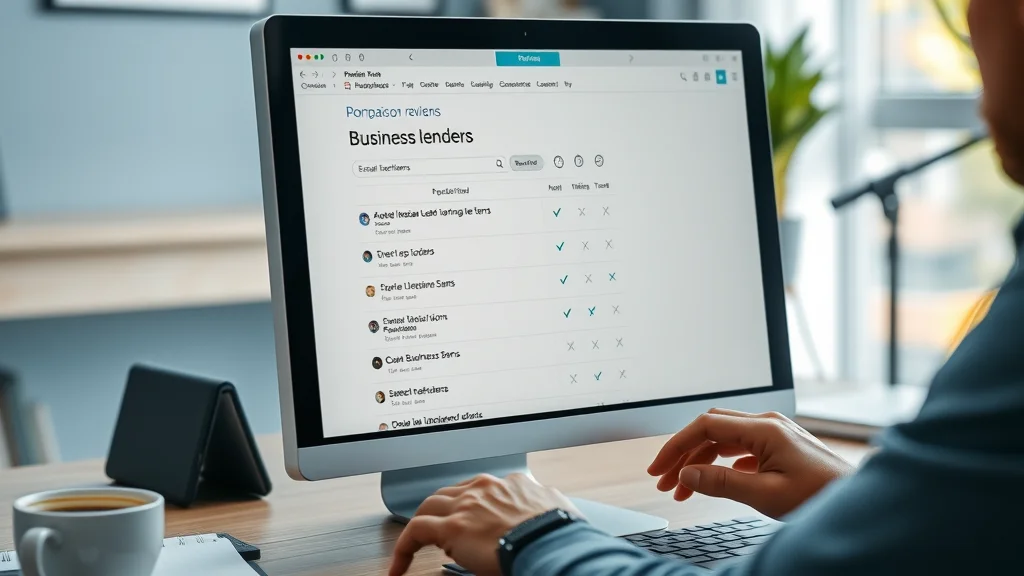
Computer screen displaying comparison reviews of online business loan lenders, helping entrepreneurs choose the best short-term startup loans for new businesses.

Best Online Lenders for Startup Business Loans

The online lending space is packed with providers offering tailored short-term startup loans. Top-rated companies such as Kabbage, Lendio, OnDeck, and BlueVine stand out for friendly application processes, rapid approval, and transparent terms. These fintech lenders cater to startups with straightforward qualification requirements, often providing pre-qualification tools and personalized support to walk applicants through loan approval.

When selecting the best online lender, compare loan amount ranges, interest rates, approval times, and customer service reviews. Online lenders are ideal for fast funding and flexible underwriting—but always ensure you fully understand the total borrowing cost, especially when interest rates or fees are higher than traditional banks.

Small Bank vs Alternative Fintech Solutions

Traditional small banks and credit unions remain a preferred option for established businesses with strong financial profiles, offering lower interest rates and personalized service. However, approval timelines are longer, and qualification standards—such as revenue history, collateral, and higher credit scores—are typically stricter.

Fintech lenders, by contrast, excel in speed, flexibility, and accessibility for new business owners and startups with unique or nontraditional backgrounds. These platforms often accept applications with limited annual revenue or imperfect credit, making them a primary source of short-term startup loans. Compare both avenues for your business, focusing on cost, speed, and customer support to find the best fit.

Top Short-Term Startup Loan Providers (Rates, Terms, Reviews)
Lender Typical Rates (APR) Loan Amount Range Term Length User Rating
Kabbage 15% – 45% $2,000 – $250,000 6–18 months 4.2/5
BlueVine 13% – 39% $5,000 – $250,000 6–12 months 4.3/5
OnDeck 29% – 99% $5,000 – $250,000 3–24 months 4.0/5
Lendio 6% – 39% $500 – $500,000 3–24 months 4.5/5

Pros and Cons: Should You Choose a Short-Term Startup Loan?

  • Advantages of short-term business loans
  • Drawbacks and considerations for small businesses

Business owner weighing the pros and cons of short-term startup loans, symbolizing decision-making for new entrepreneurs in small business funding.

Lists: Essential Documents to Prepare for a Short-Term Startup Loan

  • Business plan
  • Personal and business credit reports
  • Financial statements
  • Proof of revenue
  • Legal documentation

Organized stack of business loan documents, including application forms, ID, and statements, required for short-term startup business loan applications.

People Also Ask

What is the easiest business loan to get for startups?

Many startups find that merchant cash advances and online business loans offer quick approval with minimal requirements, making them some of the easiest business loan options to obtain compared to traditional term loans.

What is the monthly payment on a $50,000 business loan?

Monthly payments on a $50,000 business loan depend on the interest rate, loan term, and type of loan. For short-term startup loans, monthly payments are often higher due to shorter repayment periods. A short-term business loan at 10% interest over 12 months would have payments around $4,395 per month.

What is the $10,000 SBA grant?

The $10,000 SBA grant, previously part of the Economic Injury Disaster Loan (EIDL) program, was designed to provide urgent working capital to small businesses. As of now, similar SBA grant programs are rare; always check current SBA initiatives for the latest funding opportunities.

Can I get a loan if I just started my own business?

Yes, some lenders and specialized small business loan programs offer short-term startup loans to brand-new businesses, but applicants may face higher interest rates and provide additional documentation to qualify.

FAQs: Short-Term Startup Loans

  • What can I use a short-term startup loan for? You can use it for launching your business, purchasing inventory, marketing, payroll, or other critical business expenses.
  • How quickly can funds be deposited into my account? Many lenders provide approval and funding in as little as 24–72 hours after approval.
  • Can I repay my loan early without penalty? Many lenders allow early repayment with no penalty, but always check the loan agreement for prepayment terms.
  • Can startups with bad credit secure a short-term business loan? Yes, some lenders specialize in working with startups with less-than-perfect credit, though terms and interest rates may be higher.
  • What documents are required for approval? Commonly required documents include a business plan, bank statements, proof of revenue, and legal identification.

Key Takeaways on Short-Term Startup Loans for Small Businesses

  • Short-term startup loans provide fast, flexible access to working capital for new businesses.
  • Comparing loan options and interest rates helps you find the most cost-effective funding.
  • Proper preparation and documentation improve your chance of approval.

Have Questions About Short-Term Startup Loans? Call for a Free Consultation at 214-854-9931

Short-term startup loans can help new businesses jumpstart operations and build a solid financial foundation—just remember to choose wisely, prepare carefully, and match your loan product to your actual needs.

As you continue your entrepreneurial journey, remember that securing funding is just one piece of building a thriving business. For a deeper dive into strategies that go beyond financing—such as legal protections, operational resilience, and long-term planning—consider reading the expert guide on building a strong small business. This resource offers actionable insights to help you navigate challenges, safeguard your venture, and set the stage for sustainable growth. By combining smart funding choices with a solid business foundation, you’ll be better equipped to turn your startup vision into lasting success.


Cash Flow, Funding & Capital Strategies

Write A Comment

*
*
Please complete the captcha to submit your comment.
Related Posts All Posts
04.20.2026

How New Businesses Can Qualify for Funding Without Revenue

Ever wondered if it’s possible to secure startup funding without revenue? Many aspiring entrepreneurs believe you need strong sales or a financial history to get funding, but innovative funding options have changed the game Can You Really Secure Startup Funding Without Revenue? For countless small business owners and startup founders, the question isn’t just pressing—it’s foundational: Is startup funding without revenue truly within reach? The answer is a resounding yes Modern financing options such as credit card lines, startup loans, merchant cash advances, and SBA microloans target businesses that lack historical revenue but possess other strengths—such as a compelling business plan and strong personal credit score. Whether you’re launching a SaaS platform, a retail store, or a new consulting practice, there are funding choices custom-built for new business owners. Knowing where to look and how to present your business purpose unlocks more capital than most realize. "A great idea is currency—revenue isn’t always a prerequisite for business loan approvals." — Anonymous Funding Expert What You'll Learn: Demystifying Startup Funding Without Revenue How to evaluate financing options for startups Steps for maximizing approval chances for business loans and startup loans Key resources to help startup business owners with no financial history Answers to top questions about startup funding without revenue Understanding the Basics: What is Startup Funding Without Revenue? Startup funding without revenue refers to all the financial resources, loans, and investments accessible to new businesses in their earliest stages—even before making their first sale. These funding options exist because lenders and investors recognize the growth potential, innovation, and determination new business owners bring to the table. The key is that cash flow, credit score, and business plan—not proven revenue—often drive lending decisions for startups. These options differ from traditional business loans tied to revenue metrics. Instead, they might rely on your personal financial statements, the strength and detail of your business plan, or collateral like equipment. Evaluating the available financing options helps you align funding with your startup’s unique needs. Some options, such as merchant cash advances and SBA microloans, are tailor-made for founders who lack cash flow but can demonstrate personal responsibility and strong market insight. Barriers to Startup Funding Without Revenue for Small Business Owners Pursuing startup funding without an established revenue stream comes with its unique challenges. Creditworthiness is often the first hurdle; lenders typically examine your personal credit score and credit history to gauge risk. For many small business owners, using a credit card responsibly or maintaining small personal loans can slowly build a track record, but new founders without credit may face limited options. In addition, building business credit early is vital. A recognizable business entity and good standing with credit bureaus unlock better business loan interest rates and terms over time. Many lenders may require a personal guarantee—meaning your own assets back the loan if the business is unable to repay. Understanding these expectations helps you map the right funding path and avoid pitfalls. Creditworthiness and credit card use Business credit and its importance Personal guarantees As you navigate these early challenges, it's also important to consider the foundational steps that strengthen your business's credibility in the eyes of lenders. For a deeper dive into establishing a solid legal and operational base, explore this comprehensive guidance for building a strong small business—a resource that can help you set up the right structure and compliance from the start. Top Startup Funding Without Revenue Options for Startups Startups have more funding options than ever before. Sometimes, they involve leveraging personal resources, while others draw upon community or institutional support. Here are some leading avenues for securing startup funding without revenue: Personal savings and crowdfunding: Using your own savings or platforms like Kickstarter and GoFundMe gives you flexibility, though it requires marketing and a solid pitch. Angel investors and venture capital: These investors often look for a scalable model and a convincing business plan, not historical income. A strong pitch and market understanding can open doors. Credit card financing and business lines of credit: These are sometimes used as stopgap solutions. They may carry higher interest rates, so careful management is essential. SBA microloan programs for new startups: Backed by the U.S. Small Business Administration, these loans support startups and smaller businesses—even those with no revenue or limited operating history. Merchant cash advance and equipment financing: For retail or service businesses expecting card transactions or equipment needs, these solutions offer funding based on projected cash flow or asset value. Compare Startup Funding Options Without Revenue: Requirements, Pros & Cons Funding Option Requirements Pros Cons Personal Savings Personal liquidity No debt, full control Risk of personal loss Crowdfunding Strong online pitch Market validation, community support Uncertain funding results Angel Investors & VC Compelling business plan, pitch Expertise, large amounts Equity loss, intensive due diligence Credit Card/Line of Credit Good personal credit score Quick access, flexible High interest rates, personal debt risk SBA Microloan Business plan, some collateral Low interest rates, flexible use Stringent documentation, slow approval Merchant Cash Advance Projected card sales Fast approval, no collateral Very high effective interest rates Equipment Financing Equipment purchase needed Secured by equipment, preserves cash flow Repossession risk, usage restrictions How to Qualify for a Business Loan or Startup Loan Without Revenue The journey to qualifying for a business loan or startup loan without revenue centers on personal readiness and business planning. Building business credit from scratch involves opening dedicated business bank accounts, registering for an EIN, and keeping business transactions separate from personal expenses. Next, focus on improving your personal credit score. Even a small increase can positively impact loan terms and interest rates. Most lenders will want to see a well-crafted business plan that demonstrates clear market potential, a defined business purpose, and realistic projections. Finding loan programs tailored for startups—like SBA microloans or community development financial institutions—also increases your chances of approval. Carefully compare each financing option based on your current financial strength, and be honest with yourself about your business’s risks and repayment ability. Building business credit from scratch Improving personal credit score Presenting a strong business plan Finding loan programs tailored for startups "Small business owners who invest in a compelling business plan and personal financial readiness stand out most to lenders." — Startup Loan Advisor Leveraging Small Business Grants and Contests for Startup Funding Without Revenue Free capital in the form of small business grants and business contests can be a game changer for new startups. Governments, corporations, and foundations frequently sponsor competitions targeting entrepreneurs with fresh ideas but no revenue. The application process often centers on your business plan and vision, rather than prior financial results. Judges look for creativity, feasibility, market research, and community impact. Some grant programs are geographically specific or focus on underrepresented founders. While grants can be highly competitive, successful applications provide not just funding but also credibility. Explore opportunities through local government, Small Business Administration partners, and private organizations—regularly monitoring new contests and deadlines for the best chances at startup funding without revenue. Alternative Financing Options for Startup Funding Without Revenue In addition to standard loans, several alternative financing options exist for startups with limited cash flow. Peer-to-peer lending platforms like LendingClub or Funding Circle connect startups directly with individual investors willing to fund at varying interest rates. This approach expands your access beyond traditional banks and allows for competitive terms based on your credit profile and business idea. Equipment financing alternatives are designed for startups whose business purpose requires specific tools or machinery. This type of loan is secured by the equipment itself, reducing lender risk even without revenue. Another viable choice involves forming strategic partnerships with established businesses. These partnerships may provide access to distribution channels, shared resources, or even capital investment. They’re especially useful in industries where collaboration is the norm and capital demands are high. Peer-to-peer lending platforms Equipment financing alternatives Strategic partnerships How to Improve Approval Odds for Startup Business Loans and Startup Loans Securing a startup loan or business loans as a startup business without revenue is about proving reliability in other aspects. Structure your business correctly—register as an LLC or corporation and keep meticulous compliance records. Lenders typically prefer businesses with clear accountability and separation from personal assets. Managing your bank account professionally and practicing sound business operations best practices is critical. Demonstrate how you track expenses, pay bills, and forecast cash flow. The more evidence you provide of prudent management, the more confident lenders will feel in extending you a business loan. Consistency and transparency are keys to gaining approvals, especially for new founders lacking a financial track record. Business structure and compliance Bank account management Establishing business operations best practices Working Capital Management for Startup Businesses Without Revenue For early-stage businesses, working capital management is more about survival and resource optimization than it is about profits. Without a steady income stream, effective cash flow planning is essential to avoid shortfalls. Using budgeting tools, monitoring expenses, and sticking to a realistic spending plan provide a financial buffer—and show lenders you have a handle on operational realities. This approach can also help you decide between funding options in the event that multiple choices—like a credit card line of credit or merchant cash advance—are available. Plan for timing, cash needs, and repayment obligations from the very beginning. The more thoughtfully you approach cash management, the stronger your position when negotiating startup loan or business loan terms. Real-World Examples: How These Startups Raised Funding Without Revenue Is startup funding without revenue really possible? Let’s look at how three different businesses hit their funding milestones: Example #1: Bootstrapped SaaS startup Janelle, an app developer, launched a software startup using a mix of personal savings and a small friends-and-family crowdfunding campaign. With no revenue, she boosted her business plan’s visibility online and won a small business grant competition. Example #2: Entrepreneur leveraged a personal credit card Greg used his excellent credit score to secure a high-limit credit card, funding $20,000 worth of inventory and marketing. He kept meticulous records to build both business and personal credit, making it easier to upgrade to a business loan within the first year. Example #3: Secured a merchant cash advance Maria’s retail pop-up didn’t have established income but projected high card sales. She used a merchant cash advance based on these projections, providing the capital needed to secure her storefront and initial supply orders. "Persistence, preparation, and networking are critical for small business owners hoping to secure startup funding without revenue." Key Considerations for Business Owners Before Pursuing Startup Funding Without Revenue Before selecting a funding option, weigh the risks and rewards. Assess financial risk by considering repayment terms, potential impact on your business credit, and future eligibility for loans or grants. Not all financing options are created equal, so match your choice to your startup’s business purpose and growth trajectory. Evaluate financial risk and repayment terms Impact on business credit and future funding options Choosing the right financing option for your startup business What Documents Will Lenders Ask From Startup Businesses Without Revenue? Prepare these essential documents when applying for any business loan or startup loan: Business plan Personal financial statements Legal documents (EIN, business license) FAQs About Startup Funding Without Revenue What types of startup funding are accessible with no established revenue? Options include credit cards, business lines of credit, SBA microloans, merchant cash advances, equipment financing, and crowdfunding. Each option has unique requirements and fits different business models. How can new small business owners build business credit? Open a business bank account, register with Dun & Bradstreet or Experian Business, and responsibly use vendor credit to build a positive payment history and strengthen your business credit over time. What are the risks of using personal credit cards for startup loans? Using a personal credit card for business can quickly impact your personal credit score and incur high interest rates. If not managed with care, this can hinder future funding prospects and increase financial stress. How quickly can startup businesses receive funding? Some funding options, like merchant cash advances or credit cards, offer same-day or next-day approval. Others, like SBA microloans, may take several weeks due to documentation and review processes. How to Apply for Startup Loans Without Revenue: Step-by-Step Tutorial People Also Ask: Insights on Startup Funding Without Revenue How to fund a startup with no money? You can launch a startup with no money by leveraging bootstrapping strategies—using personal savings, taking on freelance work to build funds, or tapping into crowdfunding. Some business owners also partner with others, barter services for essential resources, or secure grants and pitch contest wins to kickstart their venture. Can I get an SBA loan with no revenue? Yes. The SBA microloan program is designed for new businesses, often without prior revenue. Approval depends more on business plan quality, collateral, and your personal credit than revenue history. Be ready to provide comprehensive documentation and possibly a personal guarantee for these loans. How do you value a startup with no revenue? Valuing a startup without revenue typically involves weighing the strength of the business idea, market potential, intellectual property, and the experience of the founders. Investors also use comparables, potential future cash flow, and milestone achievements as key valuation metrics. What is the 80/20 rule for startups? The 80/20 rule, or Pareto Principle, states that 80% of outcomes stem from 20% of causes. For startups, this might mean that 80% of business results, customers, or profits come from 20% of products or efforts. Focusing on high-impact activities improves early-stage efficiency and funding readiness. Key Takeaways on Startup Funding Without Revenue Many funding options exist for startups without established revenue Strong business plans and personal credit are invaluable assets Alternative lending and creative financing solutions are available "Startup funding without revenue isn’t only possible—it’s increasingly common for today’s small businesses." While securing funding without revenue is a significant milestone, building a resilient business goes far beyond initial capital. To truly set your venture up for long-term success, it's essential to focus on the foundational elements that support sustainable growth—like legal structure, compliance, and operational best practices. For actionable strategies and expert advice on strengthening your business from the ground up, consider reading this in-depth resource on building a strong small business. By investing in your business’s core, you’ll be better prepared to navigate future challenges and seize new opportunities as your company evolves. Free Consultation for Startup Funding Without Revenue Need guidance on your startup funding journey? Call for a free consultation at 214-854-9931 and get expert support tailored to your business’s unique needs

04.03.2026

Best Startup Financing Options for First-Time Business Owners

Did you know that more than 65% of startups fail within the first five years—and that inadequate funding is the leading cause? For first-time business owners, the pathway to success often hinges not just on a brilliant idea but on choosing the right startup financing optionsA Surprising Truth: Why Most Startups Fail and How Startup Financing Options Make the DifferenceLaunching a new business is an exhilarating journey, yet the harsh reality is that the majority of startups never make it past the early stages. According to the Small Business Administration, insufficient capital is one of the prime reasons for failure—underscoring the importance of effective startup financing options. Early funding decisions profoundly shape a business’s cash flow, ability to scale, and resilience against unforeseen challenges. Whether you’re aiming to secure a small business loan, tap into a credit line, or attract an angel investor, understanding your financing avenues is vital for success.For first-time business owners, knowing the ins and outs of startup funding isn’t just about accessing money—it’s about forming strategic relationships, preparing a persuasive business plan, and matching your business’s growth potential to the best funding vehicle. The wrong financing choice can saddle your startup with high interest rates or unfavorable equity terms, while the right approach can unlock new opportunities, partnerships, and expert guidance. In this article, we break down all major startup financing options to help you lay a solid foundation for sustained business growth.What You'll Learn About Startup Financing OptionsThe most effective startup financing options for new business ownersDifferences between equity and debt startup fundingKey insights into venture capital, angel investors, and small business loansHow to prepare your business plan for funding successAnswers to common questions about financing a startupUnderstanding Startup Financing Options for Small Business SuccessWhy Startup Funding Matters for Small BusinessesWhether you’re preparing to open your doors or looking to expand, startup funding is the lifeblood that fuels growth and sustains operations. For small businesses, managing cash flow, covering initial expenses, and investing in talent or technology requires more than what personal savings can offer. Startup financing options bridge this gap, allowing new business owners to access essential resources and expertise. Funding from venture capitalists, angel investors, or small business loans can also unlock connections to networks, mentors, and future funding rounds, enhancing your long-term prospects.The ability to choose the right funding source impacts not only your capital but also your control over decision-making, repayment obligations, and future valuation. For instance, taking on debt through a credit card or a small business loan means maintaining ownership but shouldering repayment and affecting your credit score. Opting for equity funding, such as from a venture capital firm or an angel investor, can infuse substantial amounts of capital, but often comes with expectations for quick growth and partial ownership. Balancing these elements is vital for first-time business owners seeking both stability and growth potential.As you weigh the pros and cons of each funding source, it’s also important to consider how your financing decisions will impact your business’s legal and operational foundation. For practical steps on building a resilient company structure, explore this guidance for building a strong small business that complements your funding strategy.Types of Startup Financing OptionsStartup financing falls into three main categories: equity financing, debt financing, and hybrid models. Equity financing involves selling a percentage of your company to investors in exchange for capital. This route often attracts angel investors or venture capital firms looking for high growth potential—and a substantial return on investment. Debt financing, on the other hand, refers to borrowing funds that must be repaid—with interest—such as small business loans, credit cards, or credit lines. While it keeps your ownership stake intact, it also requires solid cash flow and creditworthiness to manage repayments.Hybrid models blend elements of equity and debt, such as convertible notes or revenue-based financing. Choosing among these startup financing options depends on your business needs, growth projections, and willingness to cede control. The right mix provides not only capital but also flexibility, ensuring your business can weather challenges and seize new opportunities as they arise.Equity financingDebt financingHybrid modelsSelf-Funding: The Foundation of Startup Financing OptionsBootstrapping and Using Personal SavingsBootstrapping is a time-honored approach for first-time business owners who want to retain complete control and avoid early debt or equity dilution. Using personal savings to kickstart your enterprise shows investors and lenders your commitment and willingness to take risks alongside them. This path to startup funding enables slower, organic growth but protects you from external pressures to scale prematurely or compromise your vision.However, the challenge lies in balancing your personal financial health with your business needs. Depleting personal reserves can put both your business and your security at risk. Effective bootstrapping requires a well-developed business plan and careful budgeting to ensure that critical expenses are covered and that you set a strong foundation for seeking outside funds later on. Many successful founders began with their own resources, proving to future investors that their business plan works in the real world.Tapping into Credit Lines and Credit CardsFor entrepreneurs with good credit scores, leveraging a credit card or credit line can provide immediate, flexible access to funds. These traditional startup financing options are ideal for managing cash flow gaps or unexpected expenses, but they do come with higher interest rates than most small business loans. Using a business credit card responsibly helps build your company’s credit profile and can open doors to larger loans or better terms in the future.Before tapping into these resources, compare card offers and credit line features such as the interest rate, repayment periods, and the impact on your personal and business credit scores. Some cards come with rewards or longer zero-interest periods, but all require diligent payment schedule management. Overreliance on short-term debt can create long-term challenges, so use these tools with a clear strategy and an exit plan as your business grows.Loans and Credit: Traditional Startup Financing OptionsSmall Business Loans for Startup FundingSmall business loans are a cornerstone of startup financing for many new ventures, providing structured capital with predictable repayment terms. These loans are typically obtained from banks, credit unions, or online lenders and are suitable for business owners who have a strong credit history and a comprehensive business plan. The approval process can be rigorous, often requiring financial statements, collateral, and a demonstration of repayment ability through projected cash flow.The interest rates for small business loans are usually lower than those for credit cards or credit lines, and the payment schedule is clearly outlined in advance. However, first-time business owners must be prepared for strict eligibility requirements, including personal guarantees or business collateral. It’s essential to compare different lenders and loan types to find the optimal fit for your company’s needs and growth potential.SBA and Microloans for Small BusinessesThe U.S. Small Business Administration (SBA) backs a range of loan programs specifically designed to support small businesses and startups. SBA loans generally have more accessible qualification criteria for first-time business owners and offer better terms than conventional loans. Microloans, often between $500 and $50,000, are tailored for startups, minority entrepreneurs, and small businesses with modest capital needs.SBA loans can take longer to process due to government oversight, but they feature competitive interest rates and longer repayment terms than many traditional options. Applying for these startup financing options requires a solid business plan, detailed financial projections, and an understanding of the lender’s expectations, ensuring you’re fully prepared to take this critical step toward stable business growth.Comparison of Loan Types for Startup Financing OptionsLoan TypeCriteriaInterest RatesEligibilityRepayment TermsApproval SpeedTraditional Bank LoanStrong credit, collateral5-10%High5-10 years2-8 weeksSBA LoanSBA approval, business plan5-8%Moderate7-25 years2-3 monthsMicroloanFor small businesses16-18%Low6 months-6 years1-2 weeksOnline LenderQuick application, lower credit8-30%Moderate1-5 years1-7 daysEquity-Based Startup Financing Options: Venture Capital and Angel InvestorsVenture Capitalist & Venture Capitalists: Growth Potential and ExpectationsFor startups with high growth potential and scalable business models, venture capital is a powerful accelerant. Venture capitalists—typically organizations or firms specializing in startup funding—invest significant amounts of money in exchange for equity and a say in business operations. When you partner with a venture capital firm, expect a thorough vetting process; they’ll scrutinize your business plan, leadership team, market opportunity, and ability to scale rapidly.Venture capital often comes in several rounds, from early seed funding to larger series investments as your business matures. In addition to cash, these capital firms offer valuable guidance, strategic planning, and introductions to industry experts or other investors. However, this level of involvement means giving up a share of your company and making decisions within stricter growth timelines. Not every business is a match for venture capitalists—so be realistic about your business’s size, ambition, and the expectations you’re willing to meet.Angel Investors: Advantages And ConsiderationsAngel investors play a crucial role in the early stages of many startups. Typically, an angel investor is an affluent individual—sometimes a retired founder or seasoned executive—who invests personal funds in exchange for equity. Unlike large venture capital firms, angel investors often participate earlier in your company’s journey and may offer more flexible terms. These investors are frequently passionate about mentoring, offering hands-on advice, and introducing you to other funding sources or opportunities.While angel investors bring unique advantages, their involvement also means sharing ownership and, sometimes, direction for your business. It’s essential to carefully vet any potential partner, aligning their vision and experience with your needs. Many successful founders credit angel investors for their startup’s initial traction and credibility—making this one of the most impactful startup financing options available to new business owners."The right investor brings more than money—they bring expertise, contacts, and guidance essential for first-time founders." – Leading Startup ConsultantAlternative Startup Financing Options: Beyond Banks and InvestorsCrowdfunding PlatformsCrowdfunding has revolutionized startup financing options by allowing first-time business owners to raise capital from a wide community of backers online. Platforms such as Kickstarter and Indiegogo enable entrepreneurs to present their business plan, prototype, or concept directly to potential customers and supporters. Backers typically contribute small amounts in exchange for early access, rewards, or even equity depending on the funding model.Success on crowdfunding platforms often depends on creating a compelling narrative, leveraging social proof, and fostering a safely connected network of supporters. Crowdfunding can validate your business idea, generate pre-launch momentum, and allow you to gauge market interest without traditional loans or giving away large equity stakes. However, meeting funding targets, delivering promised rewards, and complying with platform rules demand significant planning and transparency.Grants and Government Programs for Small BusinessesGovernment grants and support programs are valuable, non-dilutive options for certain startups. In the United States, agencies like the Small Business Administration, as well as local and state governments, offer grants for qualifying industries such as technology, healthcare, and green energy. These programs don’t require repayment or the sale of equity, but the application process can be rigorous and highly competitive. Most government websites use https for secure applications and provide detailed eligibility guidelines.To improve your odds, review each official website of the United States government or the specific grant-making organization in the United States. Prepare a clear, concise business plan, demonstrate your business’s value to the community, and show how grant funds will be used. Grants can be a game changer, enabling research, product development, or business expansion without taking on new debt or ceding control.Family and Friends as Startup Funding SourcesMany founders turn to family and friends for early-stage capital. This option can be less formal and more accessible, but it’s not without risks. Blending personal relationships with business can lead to misunderstandings if expectations, repayment, and ownership terms aren’t clearly defined. Always treat these investments with professionalism: draft legal agreements, outline repayment or equity terms, and communicate regularly to preserve trust.Leveraging support from family and friends may help you build credibility and a track record, which can be especially valuable when you approach a bank, venture capitalist, or angel investor later on. It’s crucial, however, to be transparent about business risks and only accept investments that both parties can afford to lose.Preparing a Strong Business Plan for Startup Financing OptionsKey Elements Investors and Lenders SeekClear business concept and market analysisFinancial projections and use of fundsDefined growth potential and exit strategyWhen pursuing startup funding, your business plan will be scrutinized by every lender, investor, and even friends and family. A robust business plan outlines your product or service, identifies target markets, and details your strategy for reaching those customers. Market analysis demonstrates a clear understanding of competitors and buyer needs, while thorough financial projections show that you can manage cash flow and plan for growth potential. Don’t overlook the importance of defining how funds will be used and an exit strategy for investors.Use visual aids, data, and concise writing. Lenders and investors want to see that you’ve considered risks, planned contingencies, and understand your market. Many capital firms and angel investors receive hundreds of pitches—stand out by presenting a well-researched and realistic business plan, backed by credible numbers and a thoughtful approach to funding sources.Common Mistakes When Seeking Startup Financing OptionsUnderestimating capital requirementsNeglecting the importance of creditworthinessFailing to articulate a strong value propositionFirst-time business owners often stumble by asking for too little or too much capital, jeopardizing both operations and their credibility with potential backers. Some neglect to build or repair their credit score—crucial for loan or credit line approval. Another pitfall is failing to communicate a compelling value proposition: what makes your startup unique and why it will succeed. Avoid these mistakes by taking time to research your needs, strengthen your creditworthiness, and craft a pitch that speaks directly to the interests and concerns of your chosen funders.Careful preparation and honest self-assessment are key. Work with a financial advisor or mentor to review your business plan, vet your funding strategy, and ensure that your financial requests are grounded in sound data and appropriate for your venture’s size and ambitions.Key Considerations for Choosing the Best Startup Financing OptionsThere’s no single best option when it comes to startup financing; what matters is aligning your funding source with your business stage, industry, and long-term goals. Consider how much control you’re willing to share, your risk tolerance, the size and timeline of your capital needs, and your ability to meet repayment or growth expectations. Understanding these trade-offs can help you select the right blend of startup financing options, putting your business on track for sustainable, scalable success.Reflect on whether you want the urgency and mentorship of a venture capitalist, the independence of self-funding, or the wide community support enabled by crowdfunding. Be ready to adapt your strategy as your business grows and as market conditions change. Revisit your business plan at each stage to ensure your financing approach still matches your vision.Video Guide: Real-World Startup Financing StoriesA short, documentary-style video featuring real small business owners briefly sharing their experiences using different startup financing options—clips show interviews in office spaces, quick glimpses of business operations, and moments with investors, layered with natural sound and subtle background music for an authentic storytelling feel.People Also Ask: Startup Financing Options FAQsWhat are the best financing options for startups?The best financing options for startups depend on your unique needs, industry, and growth timeline. Common choices include personal savings (bootstrapping), small business loans, venture capital, angel investors, and crowdfunding. Many business owners combine several methods to spread out risk and increase their capital base. Always choose options that align with your business plan, cash flow needs, and willingness to share ownership or take on debt.What is the 80/20 rule for startups?The 80/20 rule—also known as the Pareto Principle—suggests that 80% of a startup’s results come from 20% of its activities or customers. For funding, this means that a small number of financing sources or investors may have an outsized impact on your success. Focus your efforts on the most promising startup financing options that can deliver the greatest return and accelerate your progress.Can I use my EIN to get a loan?Yes, you can use your Employer Identification Number (EIN) to apply for business loans and credit lines. However, most lenders also require a personal guarantee, especially for first-time business owners. Building business credit independently of your personal credit takes time and responsible use of credit lines and credit cards, but having an EIN is a valuable first step toward more flexible funding in the future.How can I fund a startup with no money?If you don’t have personal capital, consider zero-equity funding options such as grants, crowdfunding, or microloans. You can also pitch your idea to angel investors or family and friends, or explore accelerator programs designed to help founders with limited resources. The most important asset is a strong business plan—you need to convince backers that your idea has merit and potential for growth, regardless of your starting capital.Learn how to create a winning pitch for startup financing options by understanding investors’ priorities, presenting robust financial projections, and demonstrating your product’s growth potential and market fit.Expert Tips for Securing Startup Financing OptionsPolish your business plan and projections—these make your first impression.Understand each type of startup financing option, including pros and cons for your business model.Build relationships with lenders and investors early, before you urgently need funding.Stay organized with documentation and deadlines throughout the process.Demonstrate clear growth potential to reassure backers and secure more favorable terms.Key Takeaways on Startup Financing Options for First-Time EntrepreneursDiversify your startup financing options to reduce risksMatch funding types to your business plan and growth timelineAnticipate lenders’ and investors’ expectations for small businessesPreparation and perseverance are critical to successFAQs: Quick Answers About Startup Financing OptionsWhat makes startup financing options suitable for first-time business owners? Flexible, accessible funding with support, mentorship, and clear repayment or equity terms.Can I combine multiple startup financing options for one business? Absolutely—combining methods spreads out risk and ensures more stable cash flow.How important is a business plan in securing startup funding? Essential. A robust business plan increases trust, credibility, and success with lenders and investors.What role does credit history play in startup financing options? A strong credit score improves your access to debt financing and favorable loan terms.Ready to Start? Explore Your Startup Financing Options TodayChoosing the right startup financing options sets your business on the path to growth. Don’t wait—call for a free consultation at 214-854-9931 to discuss your goals and unlock the resources needed for your entrepreneurial journey!As you move forward with your funding journey, remember that securing capital is just one part of building a thriving business. The real advantage comes from integrating your financing strategy with a solid legal and operational framework. For a deeper dive into establishing a resilient business structure and ensuring long-term success, consider reading this comprehensive guide to building a strong small business. By combining smart funding choices with robust business foundations, you’ll be well-equipped to navigate challenges and seize new opportunities as your venture grows.

03.19.2026

Unlocking Your Future: Financing Options for Owner-Occupied Commercial Real Estate

Update Understanding Owner-Occupied Commercial Real Estate Financing For small business owners looking to secure their future through property ownership, understanding the financing landscape for owner-occupied commercial real estate is essential. Whether it’s a new storefront, office space, or warehouse, selecting the right financing option can directly impact business growth and stability. Familiarity with various financing avenues—such as conventional loans, SBA 504 and 7a loans, and different interest rate structures—can pave the way for successful investments in real estate. Conventional Loans: A Solid Foundation One of the most familiar financing options is conventional loans. Generally requiring a down payment of around 20%, these loans provide a reasonable pathway for small businesses to acquire properties. Unlike investment property loans that often demand higher down payments, conventional loans are specifically designed for properties where the business occupies at least 51% of the space. Such loans allow for purchases, improvements, or refinancing, ensuring flexibility to adapt to evolving business needs. However, securing a conventional loan isn’t always straightforward; lenders may request comprehensive financial documentation, covering personal and business tax returns, financial statements, and proof of liquidity. Preparedness in presenting these documents can enhance the chances of obtaining favorable loan terms. SBA 504 Loans: Empowering Entrepreneurs The SBA 504 loan program is tailored for businesses aiming for long-term growth without requiring excessive upfront capital. With potential down payments as low as 10%, these loans accommodate significant project financing, covering up to 90% of costs associated with purchasing or improving properties. Crucially, SBA 504 loans also allow funds to be allocated for new equipment purchases, making them a versatile option for many small businesses. The structure of SBA 504 loans typically involves collaboration between a Certified Development Company (CDC) and a traditional bank, enhancing the financing opportunities available to entrepreneurs. With fixed interest rates across extended terms of 10 to 25 years, cash flow management is significantly improved. Eligibility Criteria for SBA 504 Loans To be eligible for an SBA 504 loan, a business must demonstrate that it occupies at least 51% of the financing property. The approved properties include land, buildings, and improvements, alongside equipment directly linked to business operations. Understanding these parameters is crucial for maximizing SBA funding opportunities. Benefits for Small Businesses The benefits of SBA 504 loans extend beyond low down payments. Fixed interest rates protect businesses from market volatility, ensuring a predictable financing landscape that enhances operational planning. Eligible costs for these loans encompass not just the property itself but also construction or renovation costs, providing holistic financial support for entrepreneurial ventures. Unpacking SBA 7a Loans: Flexibility for Diverse Needs The SBA 7a loan stands out as a flexible financing solution, catering to various needs beyond real estate acquisition—from working capital to equipment purchases. With minimum down payments starting at 15% and up to $5 million in loan availability, these loans present an array of structured support for small to medium-sized businesses. Backed by the Small Business Administration, SBA 7a loans offer competitive interest rates and flexibility regarding repayment terms, making them appealing to diverse business models. Similar to the 504 loans, they mitigate risks for lenders, which can lead to more accessible financing for borrowers. Exploring the Use Cases for SBA 7a Loans Small business owners can leverage SBA 7a loans for various purposes, including purchasing real estate, refinancing existing debt, and funding operational costs. This comprehensive functionality allows businesses to mold their financing solutions to match specific goals, proving invaluable in dynamic market settings. Understanding Fixed vs. Adjustable-Rate Loans When considering financing, business owners must also decide between fixed-rate and adjustable-rate options. Fixed-rate loans typically offer stable, predictable payments, enhancing long-term planning and financial security. However, they may come at higher initial costs compared to adjustable-rate loans, which provide lower starting rates but can fluctuate over time, potentially complicating financial assessments. Choosing the right type of interest rate structure may depend on an individual’s cash flow predictions and risk tolerance. Evaluating short-term versus long-term business objectives is integral to this decision. Future Financial Planning: Making Informed Decisions As small businesses aspire to grow through property investment, understanding these financing options is crucial. Establishing a clear financial strategy that aligns financing decisions with business goals can substantially impact growth trajectory. By assessing various loan structures and down payment opportunities, business owners can make informed choices that foster stability and promote profitability. For entrepreneurs seeking guidance through these processes, personalized consultations can uncover strategies that align with individual business needs. Every financing situation is unique, and tailored advice can make a significant difference in securing favorable outcomes. Taking Action: Your Path to Property Ownership As outlined, navigating owner-occupied commercial real estate financing involves considering several options and understanding their nuances. Being proactive and informed allows business owners to capitalize on these opportunities effectively. If you're ready to explore financing options for your business, contact us today for your free business consultation. Let’s build your path to successful property ownership together!

Terms of Service

Privacy Policy

Core Modal Title

Sorry, no results found

You Might Find These Articles Interesting

T
Please Check Your Email
We Will Be Following Up Shortly
*
*
*