
Are you sure your new business is using digital marketing to its full potential, or are you leaving powerful growth opportunities on the table? If you’re launching a startup or running a small business, mastering digital marketing for startups isn’t just a bonus—it's a necessity
Are You Harnessing the Full Power of Digital Marketing for Startups?
Digital marketing opens doors for startups that traditional marketing simply can’t match. With the right approach, even a small business with limited resources can capture attention, drive engagement, and outpace much larger competitors. From building an online presence to leveraging social media marketing, startups now have the tools to reach potential customers, reduce customer acquisition cost, and maximize their marketing budget for more effective campaigns.
Whether you’re looking to develop a digital marketing strategy, discover the best marketing channels, or optimize your site with search engine optimization (SEO), understanding and harnessing these strategies can make the difference between a thriving business and one lost in the shuffle. Let’s explore the essential digital marketing services that every new small business should have in its toolkit.

Why New Small Businesses Need Digital Marketing for Startups
Startups face unique challenges: tight budgets, low brand recognition, and often fierce competition from established players. Digital marketing for startups allows you to level the playing field by connecting directly with your target audience at scale—without the overhead of traditional marketing. Strategies like content marketing, media marketing, and email campaigns enable you to reach potential customers just when they’re searching for solutions you offer.
With targeted ads, precise SEO, and consistent social media engagement, you can set yourself apart in crowded markets. This digital-first strategy is also crucial for building brand awareness and collecting data on what resonates with your audience. Simply put, well-executed startup marketing in the digital age is both nimble and measurable, enabling you to adapt fast and scale efficiently.
Common Pitfalls in Digital Marketing for Startups—and How to Avoid Them
Despite the promise of online marketing, many small businesses stumble by either spreading themselves too thin or failing to measure results. One common pitfall is attempting to use every marketing channel without understanding what actually moves the needle for your potential customer.
Another misstep is neglecting analytics—without tracking the right KPIs, it’s impossible to refine your marketing strategies or lower your acquisition cost. Avoid these mistakes by starting with focused goals, selecting a few effective channels, and using proven digital marketing tools to track and adjust your efforts for maximum ROI.
As you refine your approach and avoid common pitfalls, it's also valuable to consider foundational business practices that support your marketing efforts. For a deeper look at building a resilient business from the ground up, explore this guidance for building a strong small business—a resource that complements your digital marketing strategy with essential operational insights.
What You'll Learn About Digital Marketing for Startups
- Fundamental concepts of digital marketing for startups
- How to develop effective digital marketing strategies
- The most impactful marketing channels for startups
- Best practices for social media marketing and content marketing
- How to reach your target audience and build brand awareness
- Actionable steps for small business digital growth
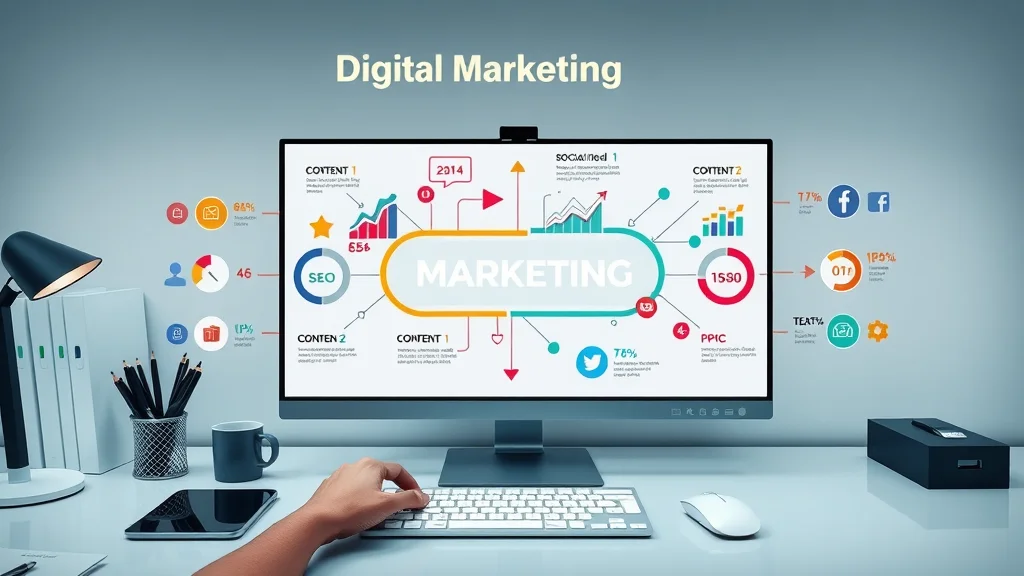
Digital Marketing for Startups: Key Concepts and Definitions
Understanding Digital Marketing and Its Role for Startups
Digital marketing comprises all online tactics used to connect businesses with customers. For startups, this means using digital channels—such as websites, social media, emails, and search engines—to tell your story, engage your audience, and drive sales. It’s about being where your potential customers are and giving them a reason to trust and remember your brand, no matter your budget.
The flexibility of digital marketing allows for constant feedback and fast learning. Every interaction, click, and conversion tells you more about what your audience values, making it possible for startup marketing to be more responsive and targeted than ever before. Simply put, digital marketing for startups takes your business from local to global, faster and more efficiently than traditional methods.
Types of Digital Marketing Strategies for Startups
As a new small business, it’s vital to choose marketing strategies that wield the most impact for your resources. The core types every startup should consider include content marketing, social media marketing, search engine optimization (SEO), email marketing, and paid marketing channels like PPC (pay-per-click ads) and display advertising. Each marketing channel serves a unique goal—from building awareness to nurturing leads and driving conversions—so understanding their strengths and limitations lets you craft a winning digital marketing strategy tailored for your business.
Successful digital marketing for startups often involves blending multiple approaches: creating helpful content, sparking engagement on social platforms, growing organic traffic through SEO, and using targeted ads to accelerate early growth. As you progress, using analytics will help you focus on the most effective marketing campaigns for your startup’s goals.
| Channel | Strengths | Best For | Challenges |
|---|---|---|---|
| Content Marketing | Builds authority, educates audience, supports SEO | Thought leadership, long-term organic traffic | Slow to scale, requires consistency |
| Social Media Marketing | Real-time engagement, boosts brand awareness | Community building, relationship nurturing | Algorithm changes, can be time-consuming |
| Search Engine Optimization (SEO) | High intent, sustained organic traffic | Reaching users actively searching for your service | Competitive, ongoing optimization needed |
| Email Marketing | Personalized outreach, nurtures leads | Lead nurturing, repeat business | Requires a clean list, risk of spam filters |
| PPC & Display Ads | Quick traction, highly targeted | Immediate traffic, launch offers | Costs add up quickly, learning curve |

Building a Digital Marketing Strategy for Startups
Identifying the Right Marketing Channels for Startups
Not all marketing channels are equally effective for every new business. Startups must weigh their unique goals, budget, and target audience preferences. For example, a B2B tech startup might prioritize LinkedIn and content marketing for lead generation, while a B2C lifestyle brand may find greater success on Instagram or TikTok. Research where your customers spend time online, and invest in the channels most likely to produce quality leads and engagement.
Successful digital marketing strategies often start with two or three core channels. Monitor results closely before expanding to avoid stretching resources thin. Continually test new platforms as your startup grows, always revising your approach to keep costs down and outcomes high.
Setting SMART Goals for Your Digital Marketing for Startups
Every effective marketing strategy for startups begins with clear, SMART (Specific, Measurable, Achievable, Relevant, Time-bound) goals. Instead of a vague aim like “get more customers,” a SMART goal could be “grow newsletter signups by 25% in three months using content and social media marketing.” Setting focused targets helps you choose the right tactics and measure whether your campaigns work.
With SMART goals, it’s easy to monitor what’s working, adjust quickly, and avoid wasted time and budget—crucial advantages for any new small business. This approach ensures your digital marketing activities are aligned to your startup’s most important growth objectives.
Budget Planning for Digital Marketing for Startups
Deciding how much to spend on digital marketing for startups is a balancing act. Most small businesses start with limited funds, so prioritizing high-impact, cost-effective strategies is key. Begin with organic channels like content, SEO, and email marketing, which build value over time—then invest in paid campaigns as you discover what brings the best return.
Track customer acquisition cost for each marketing channel. Adjust your budget to favor what delivers results, and remain flexible as your digital marketing strategy evolves. Remember that even small investments, if laser-focused, can yield outsized results for startups.
"A solid digital marketing strategy can be the difference between startup success and stagnation."

Content Marketing for Startups: Creating Value and Brand Awareness
Why Content Marketing Matters for Startups
Content marketing is one of the most effective ways to drive organic growth and establish brand awareness for startups. Well-crafted blogs, guides, and infographics not only educate your audience—they provide ongoing value that builds trust and authority in your niche. This approach fuels SEO efforts, attracts inbound traffic, and offers a foundation for future marketing campaigns.
For startups operating on a budget, content marketing scales with your growth. High-quality, evergreen content continues to generate leads and conversions long after it’s published, making it a sustainable investment in your business’s future.
Content Creation Ideas for Digital Marketing for Startups
Brainstorming new content doesn’t have to be overwhelming. Start by identifying the major pain points your target audience faces, and create practical how-to posts, case studies, or videos that help solve those challenges. For instance, if you run a small accounting startup, share quick tax tips, industry news, or client success stories. Crowdsourcing questions from your audience can also spark blog or video ideas that resonate.
Don’t overlook infographics—visual content is more shareable and memorable, making it excellent for social media distribution and backlink building. Use your expertise and insights to establish your brand as a helpful resource in your market.

Leveraging Blogs, Videos, and Infographics in Startup Marketing
Every marketing strategy should diversify content formats. Blogs deliver SEO value and build trust. Videos (including explainer or testimonial videos) boost engagement and are increasingly favored by social media algorithms. Infographics break down complex topics and make data memorable—shareable, snackable insights drive both brand awareness and backlinks for SEO.
- Topic Ideation: Audience Pain Points – Begin with the questions your potential customers ask most. Use tools like Answer the Public or Google’s “People Also Ask” to mine topic ideas.
- Establishing Content Calendar – Organize your topics into a publishing plan. Consistency keeps your audience engaged and your content timely.
- Repurposing Long-Form Content – Turn in-depth guides or eBooks into multiple short blogs, social media posts, or video snippets to maximize reach without extra effort.
Social Media Marketing for Startups: Engaging Your Target Audience
Best Social Media Platforms for Digital Marketing for Startups
Not all social media platforms fit every startup. For visually-driven brands, Instagram and TikTok are goldmines for attention and growth. B2B companies often find LinkedIn especially valuable for nurturing partnerships and reaching decision-makers. Facebook remains relevant for local targeting, while X (formerly Twitter) is ideal for rapid updates and thought leadership. Prioritize 1–2 platforms where your audience is most active—and commit to a regular posting schedule.
Early adoption of emerging platforms can offer a competitive edge, especially for startups looking to establish industry authority while competition is low. Watch for trends, listen to your audience’s digital conversations, and adapt your approach as your small business grows.

Media Marketing Tactics for Small Businesses
Media marketing is more than just posting updates; it’s about storytelling and creating interactive experiences. Utilize Instagram Stories or Facebook Live to share behind-the-scenes looks, tutorials, or answer questions in real-time. Experiment with short-form videos and influencer marketing collaborations to rapidly build credibility and reach new customers.
Leverage paid promotions or boosted posts when launching a new product or campaign—precisely targeted ads can rapidly raise brand awareness and attract potential customers who haven’t engaged with your business before.
Building Brand Awareness Through Social Media
Savvy startups use social media marketing not only to drive sales but to foster genuine connections. Consistent branding, authentic stories, and community engagement spark word-of-mouth referrals that traditional advertising can’t buy. Encourage user-generated content and reviews—people trust recommendations from peers more than ads.
Respond to every comment and direct message, and share your milestones, setbacks, and successes transparently. The more your audience feels connected to your growth journey, the more likely they are to become passionate advocates for your brand.
"Social media marketing is not just about selling—it's about building relationships with your target audience."
Search Engine Optimization (SEO) for Startups: Boosting Organic Visibility
How Search Engine Optimization Powers Digital Marketing for Startups
Search engine optimization (SEO) helps your startup rank higher on search engines like Google, driving organic (unpaid) traffic over time. Unlike paid ads, SEO builds a foundation for lasting online visibility and credibility—crucial when your budget is tight. The right keywords, technical site structure, and high-quality content combine to place your startup in front of active searchers looking for what you offer.
Investing in SEO early means every new blog post or page creates new entry points for potential customers. Properly executed, SEO becomes a flywheel for growth—even in highly competitive industries.

Essential SEO Factors for Startup Marketing
The pillars of SEO include on-page optimization (keywords, headlines, meta tags), off-page optimization (backlinks from reputable sites), and technical health (site speed, mobile responsiveness). For startups, focus on high-impact basics—optimize every page for a specific user intent and ensure your website loads quickly on all devices.
Regularly update your content marketing to stay relevant, and seek opportunities to earn media mentions or guest posts from industry publications. These off-page SEO activities build authority and signal trust to search engines.
Tools and Tips for Search Engines and Engine Optimization
- On-page SEO basics: Use tools like Yoast SEO or SEMrush for keyword research and content optimization.
- Off-page SEO essentials: Build partnerships with other companies for backlinks, and encourage happy customers to review your business online.
- Using analytics to measure growth: Track keyword rankings, organic traffic, and conversions using Google Analytics and Search Console.
Stay agile; search algorithms change, so continuous learning and adaptation are key for startup marketing success.
Email Marketing for Startups: Nurturing Leads and Customers

Building an Effective Email Marketing Strategy for Startups
Email marketing provides a direct, personalized way to cultivate leads into loyal customers. For startups, it’s also the most cost-efficient channel for driving repeat business. Start by encouraging website visitors, social media followers, and event attendees to subscribe to your newsletter in exchange for valuable content or exclusive discounts.
Segmentation is key—timely, targeted emails tailored to audience interests consistently outperform generic messages. Monitor open and click rates to refine your marketing campaigns and adapt your content based on what your audience responds to most.
Automations and Segmentation in Digital Marketing for Startups
Setting up automated flows—like welcome emails, cart abandonment reminders, and post-purchase follow-ups—ensures opportunities aren’t missed and every subscriber receives communication relevant to their journey. Tools like Mailchimp or HubSpot make this process accessible even for businesses with limited staff.
Segment lists by interests, behaviors, or demographics to keep each campaign highly relevant—boosting engagement and reducing unsubscribe rates. Continual A/B testing helps refine content, timing, and subject lines for the best results.
Best Practices for Email Campaigns to Boost Brand Awareness
Consistency, clarity, and authenticity drive results in email marketing. Use compelling subject lines, concise copy, and prominent calls to action. Ensure every email reflects your brand’s tone and values, and never overload subscribers with too many messages.
Always provide value, whether it’s educational content, special offers, or inspiring stories. Encourage feedback and social sharing to amplify brand awareness beyond your list.
Paid Marketing Channels: Accelerating Growth for Small Businesses

PPC and Display Ads in Digital Marketing for Startups
PPC (pay-per-click) ads—such as Google Ads—and display advertising on social networks or niche sites offer instant traffic boosts for startup launches and key campaigns. Unlike organic efforts, paid promotion lets you appear before your target audience right when they're ready to act, bringing faster results at a cost.
These channels are excellent for testing offers, driving leads, and generating buzz—just monitor spend closely to keep acquisition cost under control. Use detailed targeting options to reach your ideal customers and maximize ROI.
When and How to Leverage Paid Search & Social
Paid advertising is most powerful when you need quick visibility—such as for time-limited offers, product launches, or amplifying new content. Balance your investment with organic marketing; use paid ad insights to refine messaging and targeting for future campaigns. Start small, test continuously, and scale spend on what converts best.
Many startups also leverage social media ads to boost viral content or retarget website visitors, creating more touchpoints in the buying journey.
Pros and Cons of Each Marketing Channel for Startups
Every channel has unique tradeoffs—email offers high ROI but needs a quality list, PPC drives immediacy but can become costly if unmanaged, and content marketing scales slowly but provides compounding returns. Analyze your goals, timeline, and budget to allocate resources wisely. The best strategies use a blend—organic for consistent long-term growth, paid for strategic acceleration.
| Approach | Time to Results | Budget Needed | Long-term Value |
|---|---|---|---|
| Organic (SEO, Content, Social) | 3-6 months | Low–Moderate (mostly time investment) | High—value compounds over time |
| Paid (PPC, Display, Social Ads) | Immediate | Moderate–High | Short-term, ends when budget does |
Measuring Results: Tracking Your Digital Marketing for Startups
Choosing the Right KPIs for Startup Marketing
Setting measurable KPIs (key performance indicators) is essential. Common KPIs for startups include website traffic, conversion rates, customer acquisition cost, email open rates, and social engagement. Choose metrics that match your SMART goals and drive real business growth.
Focus on a handful of high-impact metrics, so you can quickly spot trends, challenges, and new opportunities as you grow your business.
Using Analytics Tools for Digital Marketing Strategy Development
Tools like Google Analytics, Hotjar, and SEMrush let you track real-time traffic, keyword performance, and user journeys. These insights highlight where your marketing strategies shine and where improvement is needed. Leverage dashboards to keep your team aligned and spot channels that deserve more investment or creative tweaks.
Schedule regular review sessions—monthly or quarterly—as part of your routine, adjusting your approach to ensure your startup is always moving forward efficiently.

Adapting Digital Marketing Strategies Based on Performance
The key to digital marketing for startups is agility. Use data from your campaigns to quickly adjust your content, channel focus, or budgets. Trends shift rapidly online, so the best-performing startups are those that test, learn, and iterate with speed—never settling for a one-size-fits-all approach.
Don't be afraid to drop underperforming tactics in favor of new ideas. The digital world thrives on innovation and experimentation!
Animated explainer: Essential digital marketing strategies for startups, including SEO, content marketing, social media, and paid channels (60–90 seconds, friendly and modern).How to Do Digital Marketing for Startups? (People Also Ask)
How to do digital marketing for startups?
To do digital marketing for startups, define your target audience, select effective marketing channels, create relevant content, utilize social media, optimize for search engines, and track all results for continual improvement.
What is the 3 3 3 rule in marketing?
The 3 3 3 rule in marketing is a guideline for startups to focus on three target customers, three key messages, and three communication channels to maximize impact and clarity.
How can a beginner start digital marketing?
Beginners should start digital marketing by learning the basics of various marketing channels, practicing with cost-effective strategies like social media and content marketing, and measuring results to refine efforts.
What is the 70/20/10 rule in digital marketing?
The 70/20/10 rule in digital marketing suggests brands dedicate 70% of content to what works, 20% to new ideas, and 10% to risk-taking and experimenting with unique approaches.
Best Digital Marketing Strategies for Startups: Keys to Success
- Define your target audience clearly
- Experiment with various marketing channels
- Focus on content marketing and SEO first
- Establish a social media presence
- Track performance and adjust strategies
Partnering With a Digital Marketing Agency for Startups
Benefits of Hiring a Professional Digital Marketing Agency
Even the leanest startups can boost their growth by partnering with a trusted marketing agency. Agencies bring deep expertise in campaign planning, creative development, analytics, and emerging trends—freeing founders to focus on their core product or service. The right agency provides fresh ideas, access to advanced tools, and actionable reporting, accelerating learning curves and results.
Agencies often have insider knowledge of the most effective digital marketing strategies and can help startups avoid costly mistakes or missed opportunities, especially when launching new marketing campaigns.

How to Choose the Right Marketing Agency for Your Startup
Look for a marketing agency with proven success in startup marketing, transparent communication, and a tailored approach—no cookie-cutter solutions. Ask about their process, reporting cadence, and which metrics they prioritize for measuring success. It’s smart to request references or case studies from similar clients before making a commitment.
Ultimately, the best agency is one that feels like a strategic partner with a genuine interest in your growth—not just a service provider.
Frequently Asked Questions About Digital Marketing for Startups
- What budget should my startup allocate to digital marketing?
- How quickly can startups see results from digital marketing?
- Which digital marketing channel shows the fastest ROI for new businesses?
Key Takeaways for Building a Successful Digital Marketing for Startups Plan
- Set clear and measurable goals for digital marketing for startups
- Prioritize organic channels before investing heavily in paid ads
- Continually review analytics to guide improvements
- Work with experts to scale faster when resources allow
Ready to Accelerate Your Digital Marketing for Startups?
Call for a free consultation at 214-854-9931 to jumpstart your startup's digital marketing success.
Launch your startup’s growth today by investing in strategic digital marketing for startups—plan wisely, track results, and watch your business rise faster than you thought possible.
As you continue to shape your digital marketing plan, remember that a strong business foundation is just as important as your promotional tactics. For additional strategies on building a resilient and successful small business, take a moment to review expert guidance for building a strong small business. This resource offers broader insights that can help you align your marketing with long-term business growth, ensuring your startup is set up for sustainable success in every area.





Write A Comment