
Startling Statistic: Nearly 40% of startups rely on credit-based startup funding options for essential working capital during the first two years of operation. If you’re launching a business, understanding credit-based funding is not just helpful—it’s essential for survival and growth. This comprehensive guide reveals how savvy new entrepreneurs are using business loans, lines of credit, credit cards, and more to fuel business growth. Read on to discover actionable strategies, common pitfalls, and real-world success stories—all designed to put you in command of your startup’s financial future.
A Surprising Look: Why Credit-Based Startup Funding Is Reshaping Business Growth
Today’s business environment has shifted dramatically, and credit-based startup funding is at the heart of this transformation. Traditional fundraising routes like venture capital and angel investors can be tough to access, especially for new entrepreneurs. Thanks to a rapidly evolving financial services sector, a growing number of startups now secure vital working capital through credit-based options—such as business loans, business lines of credit, small business credit cards, and innovative online lenders. The result? Faster access to cash, far greater autonomy, and more flexibility to invest in inventory, payroll, and marketing when every minute counts. As accessibility widens, startups of all sizes and industries now use credit not just as a safety net, but as a powerful driver of early growth and long-term sustainability. Recognizing and leveraging these funding options can spell the difference between thriving and barely surviving in your first years as an entrepreneur.

Understanding the Credit-Based Startup Funding Landscape
The landscape of credit-based startup funding has rapidly diversified, offering both traditional and innovative solutions for every type of new business. While banks continue to provide foundational support via business loans and business lines of credit, specialty lenders, online lenders, and fintech startups have revolutionized access to capital—making it possible for businesses to secure funds fast, sometimes in as little as 24 hours. These changes mean entrepreneurs need to quickly assess financing options, understand the role of credit scores, and choose products that align with unique business goals. Whether you’re seeking a startup loan to get off the ground or a flexible line of credit for ongoing needs, having a solid grasp of the credit-based funding ecosystem is critical to making informed, profitable decisions.
As you evaluate which credit-based funding option best fits your business, it's equally important to understand how foundational business practices—like legal structure and compliance—can impact your eligibility and long-term financial health. For a deeper dive into building a strong small business from the ground up, including legal and operational guidance, explore this comprehensive resource: Guidance for Building a Strong Small Business.
Uncovering Critical Funding Trends: A Startling Statistic
It may surprise emerging founders that not only banks but over 50% of surveyed online lenders expect to increase their offerings for startups in the next year. Furthermore, alternative business loans now account for an ever-larger share of the startup financing market, according to recent small business administration data. This means competition is fierce—but so are opportunities. Entrepreneurs must stay atop industry trends, evolving lending requirements, and shifting interest rates to fully capitalize on this new era of accessible funding.
What You'll Learn About Credit-Based Startup Funding as a New Entrepreneur
Key concepts behind credit-based startup funding
Popular financing options for early-stage businesses
How your credit score affects eligibility and loan decisions
Strategies for improving business credit
How to craft a strong business plan to secure funding
Pros and cons of major business loan products
Navigating interest rates and repayment terms
Defining Credit-Based Startup Funding and Its Importance
What Is Credit-Based Startup Funding?
Credit-based startup funding refers to the array of financing options that leverage your (or your business’s) creditworthiness to qualify for capital. Unlike equity financing, you retain full ownership, but funds must be repaid with interest. Key options include traditional business loans, business lines of credit, small business credit cards, cash advances, and SBA loans. Each serves a unique purpose—from covering daily expenses with a line of credit to making significant purchases via a business loan. By using these products strategically, new entrepreneurs can bridge cash flow gaps, invest in early growth, and establish a positive credit history that unlocks larger financing in the future.
Why Credit Matters for Startup Funding
For most forms of startup funding, your personal and business credit scores are pivotal. Lenders—whether banks, online lenders, or credit unions—use your credit history as a predictor of risk and reliability. A strong credit score can lower your interest rates, increase your loan amount, and simplify approval, while a weak credit profile may limit your options or result in higher costs. Moreover, responsible credit use helps build your business credit, supporting future access to higher-value loans and other favorable credit-based financing options. That’s why establishing healthy credit early in the life of your business is not just recommended—it’s essential.

"Nearly 40% of startups rely on credit-based funding options for essential working capital during the first two years of operation."
Types of Credit-Based Startup Funding: Exploring Popular Financing Options
Traditional Business Loans for Startups
Classic business loans offer startups a lump sum with fixed or variable interest rates and set repayment terms. Funding amounts can range from a few thousand to several hundred thousand dollars, depending on your business plan, personal and business credit, and collateral. These loans are suitable for major one-time investments, such as purchasing equipment or leasing office space. Banks and credit unions are common sources, but online lenders increasingly offer competitive products—often with faster underwriting decisions.
When considering a business loan for your startup, closely review the interest rate, loan amount, and repayment term to ensure the commitment aligns with your projected cash flow. Early-stage businesses with strong plans and decent credit scores will find these loans form a stable foundation for initial growth and expansion.
Business Line of Credit vs. Business Loan: Key Differences
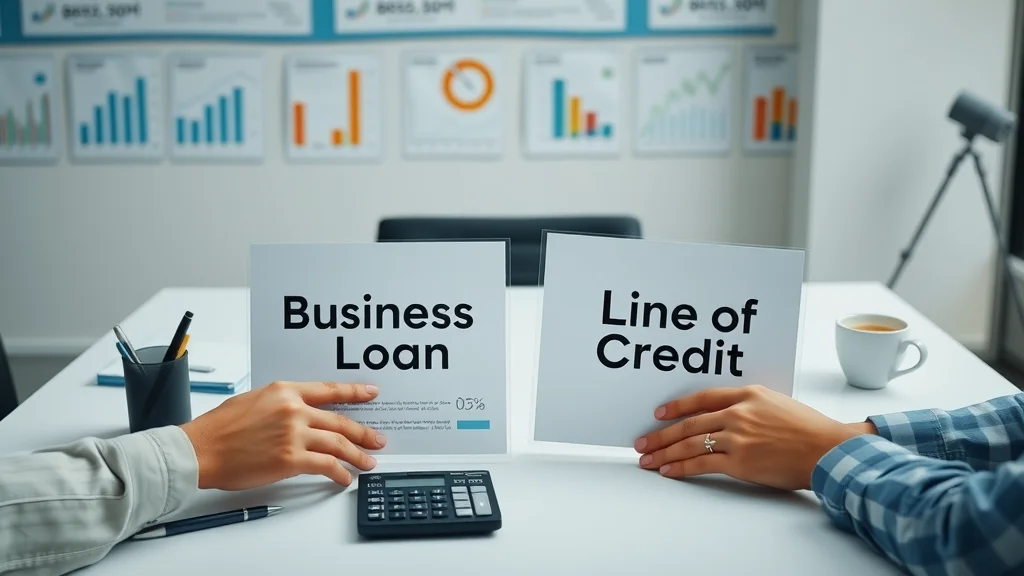
While a business loan provides an upfront lump sum, a business line of credit gives ongoing, flexible access to funds up to a preset limit. Think of it as a credit card for your business: you borrow only what you need, when you need it, and pay interest only on the funds in use. Lines of credit are ideal for managing unpredictable expenses or covering seasonal cash flow gaps. Many entrepreneurs favor a business line of credit for its adaptability, especially during the uncertain early phases of business growth.
Understanding the distinctions between these credit-based funding options is crucial to matching your financing to your business needs. Lines of credit work well for short-term or repeating expenses, whereas business loans are better suited for large, upfront investments that require longer repayment timelines.
Startup Loans: Tailored Funding for New Entrepreneurs
Startup loans are designed specifically for brand new businesses with little or no operating history. Offered by traditional banks, online lenders, or even government-backed programs, these loans typically rely on your personal credit score and business plan for approval. Loan amounts are generally smaller than standard business loans but can provide crucial liquidity when other sources are out of reach. Repayment terms are often shorter, and interest rates may be higher due to perceived risk. Successful applications usually feature a strong business plan, clear projections, and a demonstration of industry knowledge.
Small Business Credit Cards and Business Credit Card Choices
Small business credit cards give startups quick access to revolving credit—useful for purchases, travel, and covering unplanned expenses. Unlike loans, credit cards offer ongoing access to credit within set limits, plus perks such as cash back and points. Responsible use can help build your business credit history, making it easier to qualify for larger financing options later. However, it’s important to note that interest rates on business credit cards are typically higher than those of business loans or lines of credit. Careful, strategic use is key to enjoying the benefits without falling into costly debt traps.
Cash Advance as a Credit-Based Financing Option
A cash advance offers fast access to capital by borrowing against future sales, especially credit card receipts. This financing option is generally easy to obtain and doesn’t always require an excellent credit score, making it popular with startups that need urgent working capital. However, the convenience comes at a price: interest rates and fees are higher than most other options, and repayment is typically deducted daily from business receipts. Consider a cash advance only when other, less costly sources of funding are unavailable—and be certain your cash flow can support rapid repayment.
Lines of Credit: Flexible Financing for New Ventures
Business lines of credit can serve as a financial lifeline when cash flow becomes unpredictable. Startups benefit from flexibility—draw only the funds needed and repay as circumstances allow. Establishing a line of credit early helps build business credit and supports operational agility. For instance, you might use it for payroll, short-term inventory, or equipment repairs. Just remember: timely repayment is critical to maintaining good standing and improving your ability to secure larger financing later on.
Comparison of Major Credit-Based Startup Funding Options |
||||
Funding Option |
Best For |
Typical Interest Rate |
Loan Amount |
Repayment Term |
|---|---|---|---|---|
Business Loan |
Large, one-time purchases |
6% – 20% (fixed/variable) |
$5,000 – $500,000+ |
1–7 years |
Business Line of Credit |
Flexible, unpredictable expenses |
7% – 25% |
$2,000 – $250,000 |
Ongoing, revolving |
Business Credit Card |
Daily expenses, rewards programs |
13% – 24% APR |
$500 – $50,000 |
Monthly revolving |
Cash Advance |
Urgent, short-term capital needs |
20% – 80% (factor rate) |
$2,500 – $250,000 |
3–18 months |
SBA Loan |
Long-term investment, lower rates |
7% – 13% |
$5,000 – $5,000,000 |
Up to 25 years |
Eligibility Requirements for Credit-Based Startup Funding
How Lenders Use Credit Score in Funding Decisions
Lenders evaluate your personal and business credit score as a primary indicator of trustworthiness. Most business loans require a minimum credit score—typically around 680 or higher, though options exist for lower scores, especially with online lenders. Higher credit scores unlock better terms, higher loan amounts, and lower interest rates. In addition to your credit history, underwriters consider late payments, credit utilization, and how well you manage existing debt. If your score falls below the preferred minimum, expect higher costs and tighter approval limitations, especially for options like small business credit cards or a business line of credit.
Key Factors: Business Revenue, Business Plan, and Collateral
Creditworthiness isn’t the only factor lenders consider. They closely review your business revenue, quality of your business plan, available collateral, and industry background. Lenders like evidence of consistent revenue—even if projections are forward-looking for startups—and a compelling, credible plan for how borrowed capital will translate into business growth. Collateral, whether equipment or inventory, can improve approval odds, but many online lenders now offer unsecured options. Ultimately, the stronger your business plan and the more transparent your finances, the more credit-based startup funding options will open up.

SBA Loan Eligibility for Startups
SBA loans—backed by the U. S. Small Business Administration—are among the most attractive funding options for startups due to their low interest rates and long repayment terms. Eligibility, however, is competitive. Startups must prove they’ve exhausted other funding resources, provide a well-structured business plan, demonstrate “good character,” and present strong financial projections. While collateral and a solid personal credit score are important, some SBA programs welcome new businesses with limited history, provided entrepreneurs show the expertise and drive to succeed.
Building and Improving Your Business Credit for Startup Funding
Why Establish Business Credit Early?
Many new business owners overlook the importance of establishing business credit until they need funding—and find their options limited. Building business credit early opens doors to larger loans, better terms, and more favorable products like business credit cards and business lines of credit. Early action—such as registering your company and separating business and personal finances—lays a solid foundation for long-term financial success and stability.
Actionable Steps for Building Strong Business Credit
Establishing solid business credit involves more than time—it requires deliberate steps and ongoing attention. Each action below boosts your credit profile and increases your startup’s access to vital working capital:
Register Your Business Legally
Open a Dedicated Business Bank Account
Apply for a Business Credit Card
Establish Trade Lines with Suppliers
Monitor Your Business Credit Report

How to Qualify for Credit-Based Startup Funding
Writing a Winning Business Plan for Lenders
A strong business plan is the backbone of any successful funding application. Investors and lenders look for clarity, realism, and strategy. Your business plan should outline your business model, target market, marketing strategy, and most importantly, financial forecasts. Detailing how funding will be used and repaid creates confidence, increasing your odds of approval for a startup loan or business line of credit. Don’t forget to include thorough market research and a credible competitive analysis. Many lenders now require digital submission, so ensure your plan is formatted cleanly and concisely.
Improving Your Credit Score Before Applying
If your personal or business credit score is lacking, there are concrete steps you can take before applying for any credit-based funding. Start by checking your credit reports for errors and addressing outstanding debts. Pay bills early (or on time), reduce utilization on credit cards, and avoid opening unnecessary new lines of credit. Improving your score—even by a few points—can unlock better loan terms and make you eligible for a wider array of funding options, from business loans to business credit cards. For many new businesses, this preparation phase can be the difference between approval and rejection.

Demonstrating Strong Cash Flow and Working Capital
Regardless of business age, lenders want to see reliable cash flow and adequate working capital. Even if your venture is pre-revenue, show clear, evidence-based forecasts and back them with contracts, letters of intent, or customer pre-orders when possible. Successful cash flow management tells lenders you understand how to handle operational expenses and can service the debt responsibly. Techniques such as organizing income/expense tracking and routinely forecasting future cash flow improve your standing not only with lenders, but with vendors and partners as well.
Business Loan Interest Rates and Terms in Credit-Based Startup Funding
Comparing Interest Rates: Fixed vs. Variable
Understanding the difference between fixed and variable (interest rate) loans is fundamental to smart borrowing. Fixed-rate loans keep payments steady over the loan’s life, making budgeting easier and protecting you from future rate hikes. Variable-rate loans may offer lower initial rates, but payments can fluctuate—potentially rising if market rates increase. Startups with uncertain revenue streams may benefit from the predictability of fixed rates, while those able to absorb some risk might capitalize on lower variable introductory offers. Align your choice with your business’s projected cash flow and risk tolerance.

How Term Length Impacts Repayment for Business Loans and Lines of Credit
The repayment term of your business loan or line of credit impacts both your monthly cash flow and the total cost of borrowing. Shorter terms mean higher monthly payments, but you’ll pay less in overall interest. Longer terms reduce payments but can significantly increase what you pay over time. Matching the repayment term to your business’s growth cycle and available cash flow is essential. Review all loan terms carefully—including prepayment penalties and renewal options—before signing on the dotted line.
Choosing the Right Financing Option for Your Startup
Factors to Weigh: Interest Rates, Flexibility, and Eligibility
Not all credit-based startup funding options fit every new business. When evaluating your choices, consider:
Interest rates: Can you lock in a low rate? Are rates variable or fixed?
Eligibility requirements: Does your credit score, revenue, or business history meet the lender’s criteria?
Flexibility: Will you need ongoing access to funds, or a lump sum for a one-time expense?
Repayment term: Is your business prepared to manage payments over the proposed schedule?
Fees and penalties: Are there application, origination, or early repayment charges?
Weigh these factors to choose the most cost-effective and strategically valuable financing option for your business goals.
When to Consider a Business Line of Credit Over Other Options
A business line of credit is best for startups expecting fluctuating expenses, gaps between invoicing and payments, or needing emergency funds. If your business lifecycle features seasonal spikes, unpredictable supplier prices, or development overhead, this option can offer essential flexibility—unlike installment-based loans, which lock you into fixed repayments. Startups unsure of future funding needs but wanting assurance should prioritize establishing a line of credit for resilience and peace of mind.
Decision Matrix: Matching Credit-Based Startup Funding to Your Needs |
||
Business Scenario |
Recommended Funding Option |
Why? |
|---|---|---|
Startup costs/equipment purchase |
Business Loan / SBA Loan |
Higher amounts, longer terms, structured repayment |
Seasonal sales fluctuations |
Business Line of Credit |
Draw as needed, flexible repayment |
Everyday purchases/short-term needs |
Business Credit Card / Cash Advance |
Quick access, rewards, suitable for small, urgent needs |
Risks and Rewards of Credit-Based Startup Funding
Potential Pitfalls: High Interest Rates, Impact on Credit Score
While credit-based startup funding unlocks much-needed working capital, it isn’t without risks. High interest rates—especially on business credit cards and cash advances—can trap unwary business owners in cycles of debt, draining profits through steep repayments. Missed or late payments damage business and personal credit scores, limiting future access to financing options. Overuse of short-term products like cash advances or revolving credit also signals risk to future lenders. Careful analysis, prudent borrowing, and disciplined repayment are essential to avoid these pitfalls.

Benefits: Quick Access to Working Capital, Building Business Credit
On the reward side, successful use of credit-based startup funding offers transformative advantages. Startups can seize market opportunities by quickly accessing working capital, purchase inventory in bulk for better pricing, or fund crucial product launches. Timely repayments and wise use of credit-based options help build solid business credit, translating into better terms, larger loan amounts, and—down the line—the chance to qualify for competitive SBA loans and long-term financing. In the words of experts:
"Access to credit-based startup funding is often the differentiator between stalling and scaling in the first years of entrepreneurship."
Expert Tips to Maximize Your Success with Credit-Based Startup Funding
Always read the fine print on business loans and credit card offers
Use credit lines solely for business growth, not operating losses
Make payments on time to avoid severe penalties to your business credit

Case Studies: Real Entrepreneurs Who Used Credit-Based Startup Funding
Case 1: Launching a Small Business with a Business Credit Card
Anna, an aspiring boutique owner, was denied a bank loan due to limited business history but secured a business credit card with a modest limit. Her disciplined usage—covering only inventory and marketing, and paying in full each month—helped her build business credit and later qualify for a $25,000 line of credit. This step-by-step approach gave her the working capital needed to launch, and her business credit score reflected her prudent management by year two.
Case 2: Scaling Fast with a Business Line of Credit
Sean and his partner knew seasonal swings would be a reality for their event planning startup. By securing a business line of credit early, they covered payroll in slow months and extended operations into new markets when business picked up. The flexibility of the line—combined with their responsible draw and repayment habits—enabled rapid, sustainable scaling with minimal stress on cash flow.

Case 3: Turning Around with a Short-Term Business Loan
Lila’s bakery hit a rough patch after an equipment breakdown. With established credit and a thorough business plan, she obtained a short-term business loan from an online lender. The funds allowed her to repair machinery, replenish inventory, and weather the storm. Strategic use of this credit-based option not only preserved her business but also laid groundwork for future, lower-cost loans as her revenue stabilized.
"Startup founders often underestimate the spectrum of credit-based funding options available to them—education is the first step to empowerment."
Alternatives to Credit-Based Startup Funding
Equity Financing and Venture Capital
If you don’t qualify for credit-based startup funding—or wish to avoid debt entirely—consider peer-to-peer or angel investments, equity crowdfunding, or seeking out venture capital. These options provide capital in exchange for company shares, and while you’ll give up some control, you won’t accumulate debt or risk your credit score. Many high-growth startups prefer these options to scale aggressively with guidance and support from investors.
Crowdfunding Platforms
Platforms like Kickstarter and Indiegogo enable entrepreneurs to raise small amounts of capital from large groups of supporters in exchange for early product access or other perks. Crowdfunding doesn’t depend on credit scores and can boost brand visibility alongside funds.

Grants for Small Businesses
Small business grants from government agencies, nonprofits, and corporations provide non-repayable funding for eligible startups. Applying can be competitive and time-consuming, but the benefit is clear: working capital without the burden of repayment or credit checks.
Comparing Credit-Based vs. Non-Credit Startup Funding Options |
||
Aspect |
Credit-Based Funding |
Non-Credit Funding |
|---|---|---|
Repayment Required |
Yes |
No (with grants/equity) |
Ownership Dilution |
No |
Yes (for equity) |
Approval Factors |
Credit score, revenue, plan |
Business model, network, grant criteria |
Time to Funding |
Fast (days to weeks) |
Varies (can be much longer) |
People Also Ask: Credit-Based Startup Funding FAQs
What credit score is required for startup business loans?
Most lenders look for a credit score of at least 680 for startup loans, business lines of credit, and small business loans. However, alternative lenders may approve scores as low as 600 if other factors—such as revenue or a solid business plan—are strong. A stronger credit score always results in better interest rates and higher loan amounts.
Can a new business with no revenue get credit-based startup funding?
Yes, some lenders offer startup loans and business credit cards to new businesses with little or no revenue, typically relying more on the owner’s personal credit score and business plan. However, the funding amounts may be lower, and interest rates higher, than for established businesses with proven revenue.
Are business credit cards a good option for new entrepreneurs?
Business credit cards can be an excellent tool for startups needing quick access to credit for expenses. They often have higher interest rates than loans, but responsible use helps build business credit and can provide valuable rewards.
How does a business line of credit differ from a business loan?
A business line of credit allows you to draw funds as needed up to a limit, ideal for variable or recurring expenses. A business loan gives a lump sum upfront, to be repaid on a set schedule. Lines of credit are more flexible, while loans work better for major, one-time costs.
Comprehensive FAQs: Credit-Based Startup Funding
How can entrepreneurs apply for credit-based startup funding?
Entrepreneurs can apply directly through banks, credit unions, and online lenders by submitting an application along with financial statements and a business plan. Many lenders offer online prequalification and digital application processes.
What are the risks of using credit cards for business expenses?
Risks include high interest rates, fees for late payments, and the potential to harm your business credit score if payments are missed or credit is maxed out. Use credit cards as a convenience, not for long-term borrowing.
Will a personal guarantee be required for a business loan?
Most startup loans and business credit lines require a personal guarantee—making you responsible for repayment if the business defaults, especially for companies with limited credit history.
Should I use a business line of credit or a term loan for early expenses?
A business line of credit works best for variable, short-term needs, while term loans suit large upfront costs. Assess your spending profile to make the right choice.
Key Takeaways on Credit-Based Startup Funding for New Entrepreneurs
Credit-based startup funding provides essential working capital for early-stage businesses.
Strong personal and business credit scores vastly improve funding opportunities.
A well-crafted business plan is critical to securing a business loan or business line of credit.
Consider both interest rates and flexibility when choosing the right financing option.
Alternative funding sources, such as grants and crowdfunding, can complement credit-based approaches.
Walkthrough: Applying for Credit-Based Startup Funding Online
Ready to Explore Credit-Based Startup Funding?
Call for a free consultation at 214-854-9931
Building a successful business goes beyond securing the right funding—it’s about establishing a resilient foundation that supports growth, compliance, and long-term sustainability. If you’re ready to take your entrepreneurial journey to the next level, consider exploring advanced strategies for structuring your business, protecting your assets, and navigating legal requirements. Discover actionable insights and expert advice tailored for small business owners by visiting Guidance for Building a Strong Small Business. This resource can help you transform your startup vision into a thriving, future-proof enterprise—empowering you to make informed decisions every step of the way.





Write A Comment